THE ADVENTURE COLLECTIVE® · Independent discovery and booking for outdoor travel

Explore La Fortuna after dark on ANURA’s two‑hour guided night walk through nine lagoons and a lake. Learn about nocturnal frogs, caimans and restoration work while guided experts illuminate Costa Rica’s thriving nighttime biodiversity.
Explore La Fortuna after dark on ANURA’s two‑hour guided night walk through nine lagoons and a lake. Learn about nocturnal frogs, caimans and restoration work while guided experts illuminate Costa Rica’s thriving nighttime biodiversity.
The path opens under a low canopy and the lagoon surfaces ripple like a held breath as night arrives. Headlamps cut narrow cones through humidity; frogs answer in rhythmic croaks and water insects skitter across mirror-black pools. On ANURA’s restored trail, nine lagoons and a broad lake become stages where nocturnal life steps forward.
Verified experiences and guided adventures in the surrounding area.
Operated by Anura Ecological Park · La Fortuna, Alajuela
The path opens under a low canopy and the lagoon surfaces ripple like a held breath as night arrives. Headlamps cut narrow cones through humidity; frogs answer in rhythmic croaks and water insects skitter across mirror-black pools. On ANURA’s restored trail, nine lagoons and a broad lake become stages where nocturnal life steps forward.
This place sits on volcanic soils shaped by Arenal’s long activity, where wetland basins collect runoff and carve quiet habitats. Indigenous communities and early settlers used these shorelines for fishing and medicinal plants; today local guides blend natural history with cultural stories about the land and its night callers. Geology here influences species: calcium-poor volcanic substrate favors certain amphibians and plants that, in turn, support frogs and reptiles abundant after dusk.
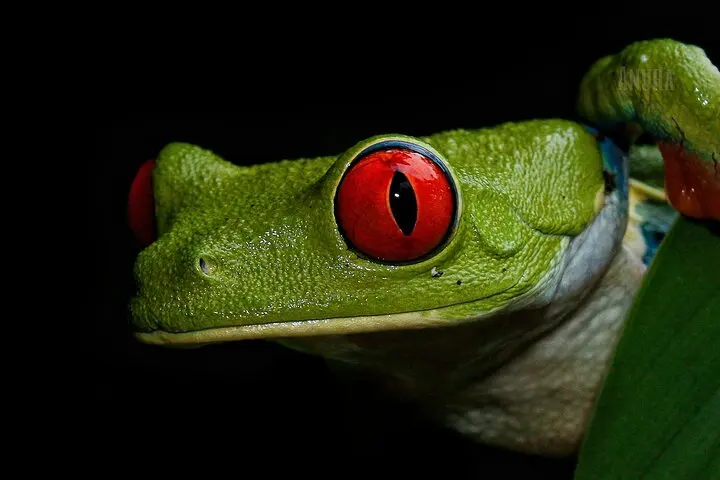
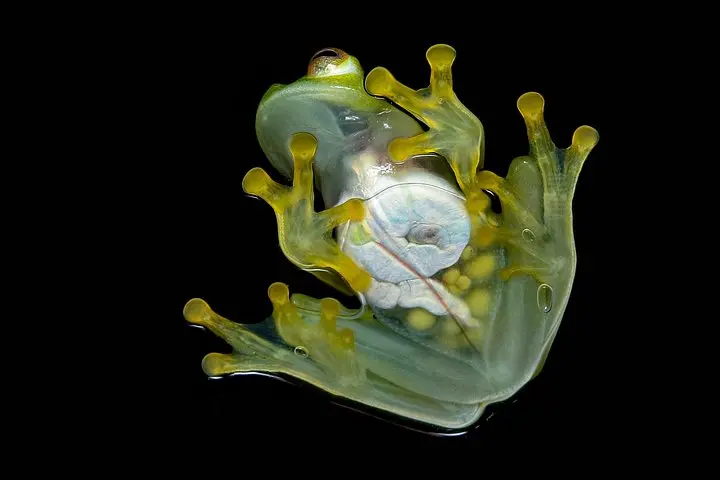
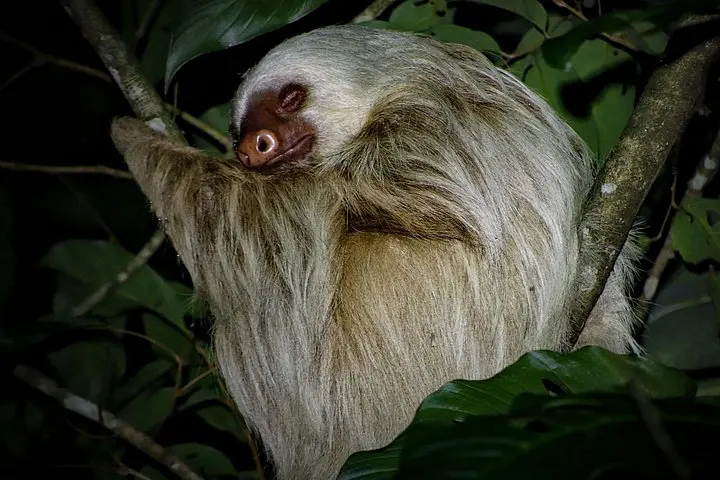
Guides focus on biology and conservation, pointing out red‑eyed tree frogs, casque‑headed frogs, caimans and a chorus of insects while explaining restoration efforts that rebuilt native shoreline vegetation. The forest seems to lean into you—water daring your attention, leaves whispering pathways.
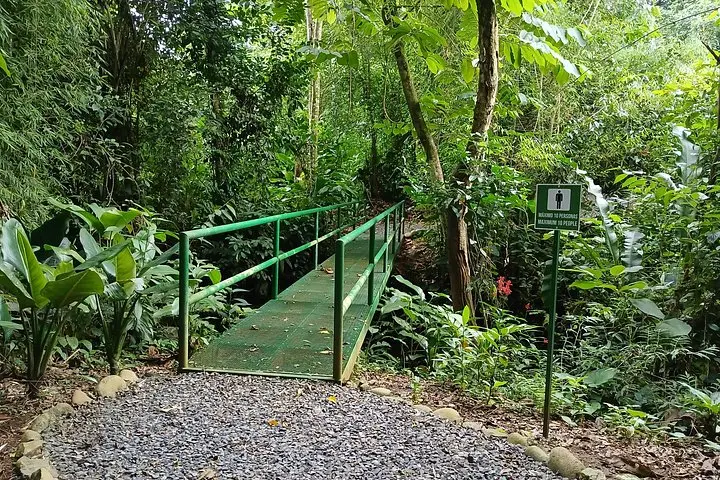
Practicalities: tours last about two hours on an easy, mostly level trail with boardwalks and some muddy sections. Wear sturdy, closed‑toe shoes and a light rain shell; bring a headlamp with red light or use the provided flashlights to protect wildlife eyes. Expect slow walking, frequent stops, and brief talks; cameras with low‑light capability or phones with night modes work best. The experience is educational and family‑friendly, but keep voices low and hands to yourself—this is wild habitat, not a petting zoo.
Yes; the tour is family-friendly and paced slowly, but children should be supervised near water and follow guide instructions.
Guides avoid risky encounters and point out wildlife at a safe distance; venomous species may be present but sightings are infrequent and handled professionally.
Yes—flashlights are included, though many guests bring headlamps with red filters to keep hands free and minimize disturbance.
For a full refund cancel at least 24 hours before the tour; tours may be canceled in severe weather for safety.
Anura Ecological Park operates guided outdoor trips and adventures with an emphasis on safety, stewardship, and memorable experiences.
The path opens under a low canopy and the lagoon surfaces ripple like a held breath as night arrives. Headlamps cut narrow cones through humidity; frogs answer in rhythmic croaks and water insects skitter across mirror-black pools. On ANURA’s restored trail, nine lagoons and a broad lake become stages where nocturnal life steps forward.
The path opens under a low canopy and the lagoon surfaces ripple like a held breath as night arrives. Headlamps cut narrow cones through humidity; frogs answer in rhythmic croaks and water insects skitter across mirror-black pools. On ANURA’s restored trail, nine lagoons and a broad lake become stages where nocturnal life steps forward.
This place sits on volcanic soils shaped by Arenal’s long activity, where wetland basins collect runoff and carve quiet habitats. Indigenous communities and early settlers used these shorelines for fishing and medicinal plants; today local guides blend natural history with cultural stories about the land and its night callers. Geology here influences species: calcium-poor volcanic substrate favors certain amphibians and plants that, in turn, support frogs and reptiles abundant after dusk.
Guides focus on biology and conservation, pointing out red‑eyed tree frogs, casque‑headed frogs, caimans and a chorus of insects while explaining restoration efforts that rebuilt native shoreline vegetation. The forest seems to lean into you—water daring your attention, leaves whispering pathways.
Practicalities: tours last about two hours on an easy, mostly level trail with boardwalks and some muddy sections. Wear sturdy, closed‑toe shoes and a light rain shell; bring a headlamp with red light or use the provided flashlights to protect wildlife eyes. Expect slow walking, frequent stops, and brief talks; cameras with low‑light capability or phones with night modes work best. The experience is educational and family‑friendly, but keep voices low and hands to yourself—this is wild habitat, not a petting zoo.