THE ADVENTURE COLLECTIVE® · Independent discovery and booking for outdoor travel

Walk the 22 exhibition areas of Johannesburg’s Apartheid Museum on a Friday afternoon to trace South Africa’s legal segregation and the road to democracy. This practical guide explains what you’ll see, how long to plan, and tips for getting the most from the visit.
Walk the 22 exhibition areas of Johannesburg’s Apartheid Museum on a Friday afternoon to trace South Africa’s legal segregation and the road to democracy. This practical guide explains what you’ll see, how long to plan, and tips for getting the most from the visit.
You step through a low concrete gateway and the city’s noise softens; light and shadow halve exhibition halls that hold stories of law, resistance and ordinary lives under regime rule.
Verified experiences and guided adventures in the surrounding area.
Operated by Ulysses Tours & Safaris cc · Johannesburg, Gauteng
You step through a low concrete gateway and the city’s noise softens; light and shadow halve exhibition halls that hold stories of law, resistance and ordinary lives under regime rule.
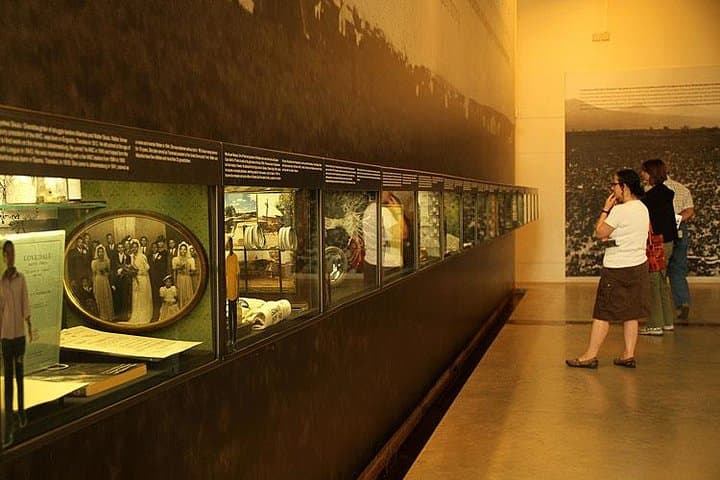
The Apartheid Museum, opened in 2001 near Gold Reef City, guides visitors through 22 exhibition areas filled with film, photographs, documents and artefacts. Exhibits move from segregation laws and passbooks to protests, international pressure and the negotiated transition to democracy—framing not just events but the human decisions that reshaped South Africa.
Geology and urban fabric matter here: the museum sits on historic mining land where shale and gold altered Johannesburg’s growth, channeling migrant labour and rapid urban change that fed the social structures on display. Nearby sites—Constitution Hill and the old gold-mining infrastructure—tie the museum’s narrative to tangible city spaces.
Culturally, the museum encourages reflection; the design deliberately uses sequence and contrast to let voices emerge rather than dictate a single interpretation. Guides are available to answer questions during the self-guided visit, providing contemporary context about how the post-apartheid era has unfolded.
Practical guidance: plan 2–3 hours for the full route, wear comfortable shoes for walking between galleries, and bring a water bottle and ID if you use the included hotel pickup. The site is wheelchair accessible and accepts mobile tickets. Aim to arrive a bit before the Friday afternoon slot to move through the exhibits at your own pace and visit nearby Constitution Hill afterward for a complementary perspective.
Yes, admission to the Apartheid Museum is included with this product.
Yes, the museum reports wheelchair-accessible surfaces throughout and offers accessible facilities.
The visit is self-guided; a guide is available on-site to answer questions and provide context when needed.
Yes, mobile or paper tickets are accepted; follow the booking instructions for ticket delivery.
Ulysses Tours & Safaris cc operates guided outdoor trips and adventures with an emphasis on safety, stewardship, and memorable experiences.
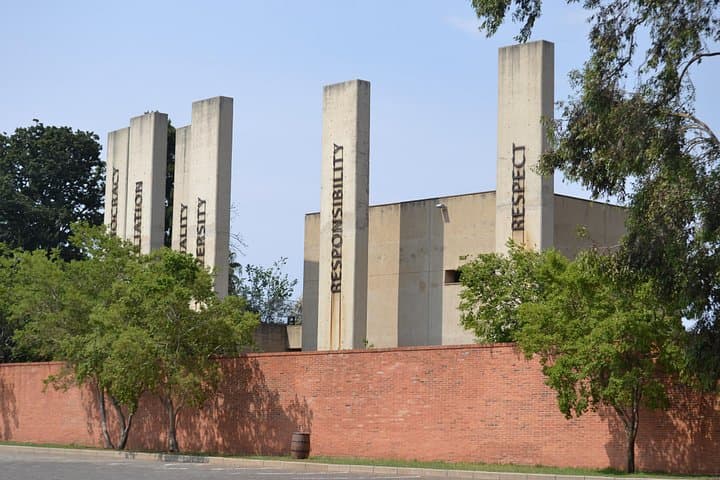
You step through a low concrete gateway and the city’s noise softens; light and shadow halve exhibition halls that hold stories of law, resistance and ordinary lives under regime rule.
You step through a low concrete gateway and the city’s noise softens; light and shadow halve exhibition halls that hold stories of law, resistance and ordinary lives under regime rule.
The Apartheid Museum, opened in 2001 near Gold Reef City, guides visitors through 22 exhibition areas filled with film, photographs, documents and artefacts. Exhibits move from segregation laws and passbooks to protests, international pressure and the negotiated transition to democracy—framing not just events but the human decisions that reshaped South Africa.
Geology and urban fabric matter here: the museum sits on historic mining land where shale and gold altered Johannesburg’s growth, channeling migrant labour and rapid urban change that fed the social structures on display. Nearby sites—Constitution Hill and the old gold-mining infrastructure—tie the museum’s narrative to tangible city spaces.
Culturally, the museum encourages reflection; the design deliberately uses sequence and contrast to let voices emerge rather than dictate a single interpretation. Guides are available to answer questions during the self-guided visit, providing contemporary context about how the post-apartheid era has unfolded.
Practical guidance: plan 2–3 hours for the full route, wear comfortable shoes for walking between galleries, and bring a water bottle and ID if you use the included hotel pickup. The site is wheelchair accessible and accepts mobile tickets. Aim to arrive a bit before the Friday afternoon slot to move through the exhibits at your own pace and visit nearby Constitution Hill afterward for a complementary perspective.