THE ADVENTURE COLLECTIVE® · Independent discovery and booking for outdoor travel

Follow a canyon trail to dramatic falls and swim-ready lagoons in Santiago Apoala. This moderate day-hike combines steep viewpoints, cool pools and a chance to sample Mixtec food and culture.
Follow a canyon trail to dramatic falls and swim-ready lagoons in Santiago Apoala. This moderate day-hike combines steep viewpoints, cool pools and a chance to sample Mixtec food and culture.
A short drive from dusty Mixteca roads, the trail to Santiago Apoala opens like a gorge-cut book: canyon walls tighten, streams gather force, and two waterfalls—Cola de Serpiente and Velo de Novia—drop into blue-green pools that dare you to swim. The hike climbs from the village into surrounding ridgelines, rewarding each switchback with views back into the canyon and across the undulating Mixteca highlands.
Verified experiences and guided adventures in the surrounding area.
Operated by Paul Lopez · Santiago Apoala, Oaxaca
A short drive from dusty Mixteca roads, the trail to Santiago Apoala opens like a gorge-cut book: canyon walls tighten, streams gather force, and two waterfalls—Cola de Serpiente and Velo de Novia—drop into blue-green pools that dare you to swim. The hike climbs from the village into surrounding ridgelines, rewarding each switchback with views back into the canyon and across the undulating Mixteca highlands.
The region carries Mixtec history in carved stones and communal fields; the valley’s geology is layered volcanic rock and eroded limestone that channels rain into striking cascades. Locals still fish and tend small terraces, and communal cooking offers mole, grilled corn, and tamal-style snacks after the walk.
Expect narrow, sometimes rocky singletrack and a steady ascent to the Twin Peaks viewpoint—roughly 350–600 m of elevation gain depending on route—with pooled lagoons at lower elevation for cooling off. Trails can be slick after rain; the river shapes the route and occasionally forces careful rock-hopping.
Practical notes: start early to avoid midday heat, bring a swimsuit and quick-dry towel, and carry at least 1.5–2 liters of water. Wear supportive footwear with good grip and plan for a 4–6 hour outing including swims and photo stops. A local guide or group tour is common and helpful for navigation, cultural context, and safety on river crossings. Respect community rules—ask before photographing people—and pack out trash. The Mixteca’s streams are fragile; keep sunscreen biodegradable and minimize soap in pools.
The tour is moderate and typically lasts 4–6 hours including transport time and swim stops; expect steady climbs with some rocky sections.
Yes—both Cola de Serpiente and Velo de Novia have swim-ready pools, but avoid soaps and be cautious on slippery rocks.
Local guides are common and recommended for navigation, river conditions, and cultural introductions; independent hiking is possible only with solid route knowledge.
Not recommended for travelers with serious back, heart, or pregnancy concerns; the terrain includes uneven steps and stream crossings.
Paul Lopez operates guided outdoor trips and adventures with an emphasis on safety, stewardship, and memorable experiences.
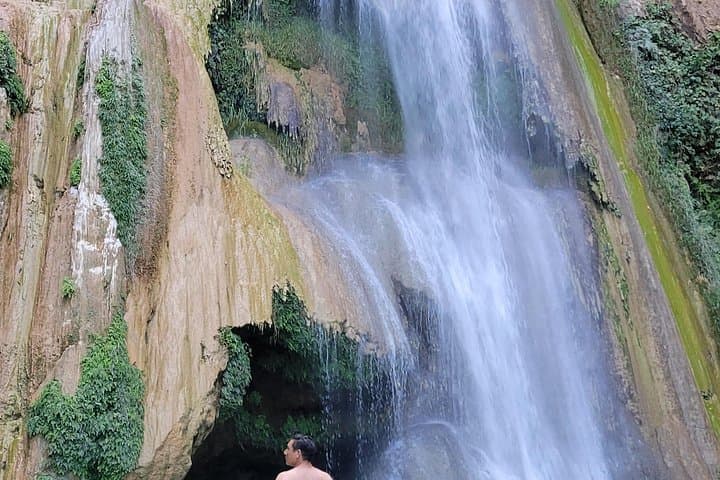
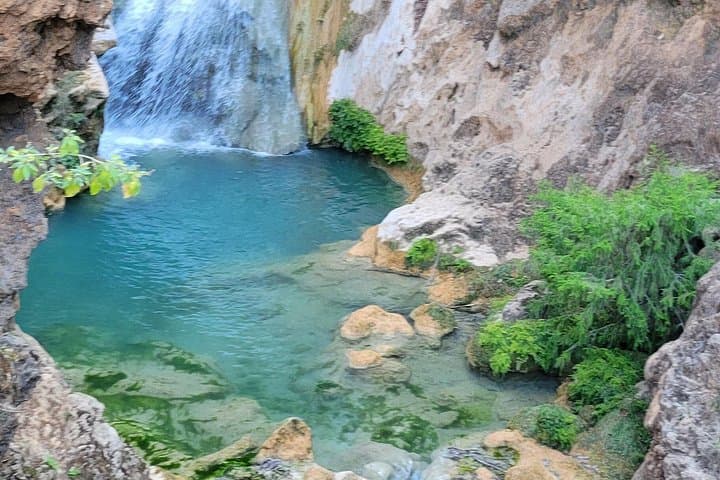
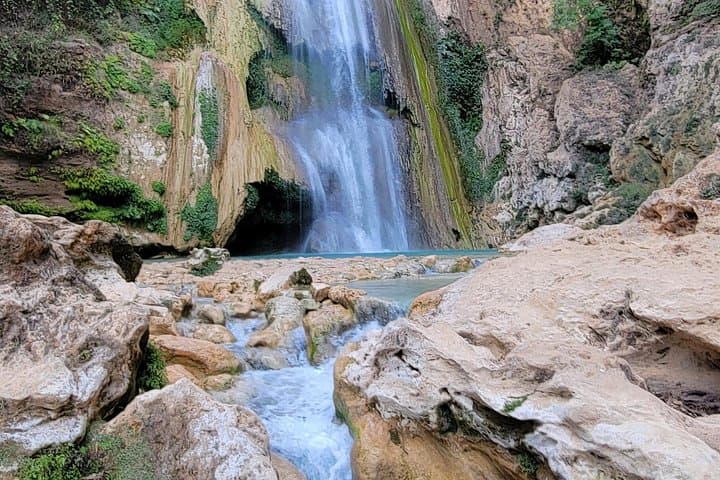

A short drive from dusty Mixteca roads, the trail to Santiago Apoala opens like a gorge-cut book: canyon walls tighten, streams gather force, and two waterfalls—Cola de Serpiente and Velo de Novia—drop into blue-green pools that dare you to swim. The hike climbs from the village into surrounding ridgelines, rewarding each switchback with views back into the canyon and across the undulating Mixteca highlands.
A short drive from dusty Mixteca roads, the trail to Santiago Apoala opens like a gorge-cut book: canyon walls tighten, streams gather force, and two waterfalls—Cola de Serpiente and Velo de Novia—drop into blue-green pools that dare you to swim. The hike climbs from the village into surrounding ridgelines, rewarding each switchback with views back into the canyon and across the undulating Mixteca highlands.
The region carries Mixtec history in carved stones and communal fields; the valley’s geology is layered volcanic rock and eroded limestone that channels rain into striking cascades. Locals still fish and tend small terraces, and communal cooking offers mole, grilled corn, and tamal-style snacks after the walk.
Expect narrow, sometimes rocky singletrack and a steady ascent to the Twin Peaks viewpoint—roughly 350–600 m of elevation gain depending on route—with pooled lagoons at lower elevation for cooling off. Trails can be slick after rain; the river shapes the route and occasionally forces careful rock-hopping.
Practical notes: start early to avoid midday heat, bring a swimsuit and quick-dry towel, and carry at least 1.5–2 liters of water. Wear supportive footwear with good grip and plan for a 4–6 hour outing including swims and photo stops. A local guide or group tour is common and helpful for navigation, cultural context, and safety on river crossings. Respect community rules—ask before photographing people—and pack out trash. The Mixteca’s streams are fragile; keep sunscreen biodegradable and minimize soap in pools.