THE ADVENTURE COLLECTIVE® · Independent discovery and booking for outdoor travel

A 15 km guided circuit around Apolakkia Dam on Rhodes that combines lakeside views, native flora education and a lakeside lunch. Ideal for fit hikers who want small-group, locally guided trail running routes turned day-hike.
A 15 km guided circuit around Apolakkia Dam on Rhodes that combines lakeside views, native flora education and a lakeside lunch. Ideal for fit hikers who want small-group, locally guided trail running routes turned day-hike.
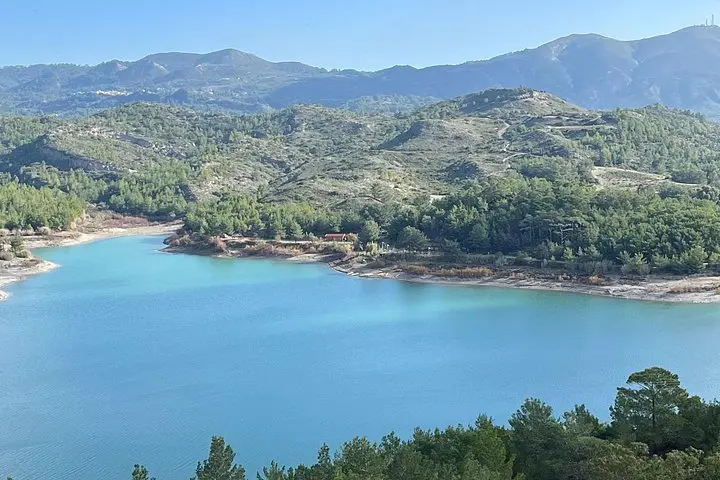
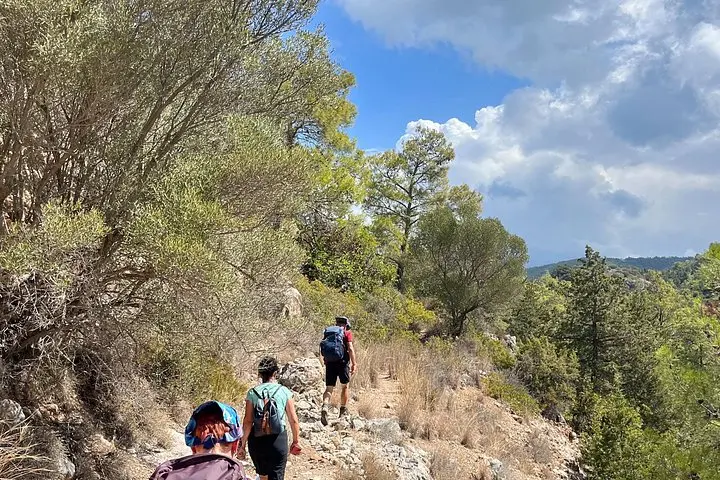
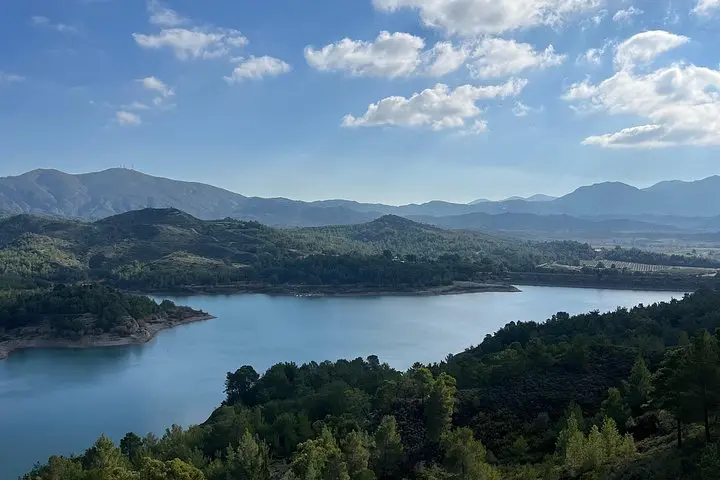
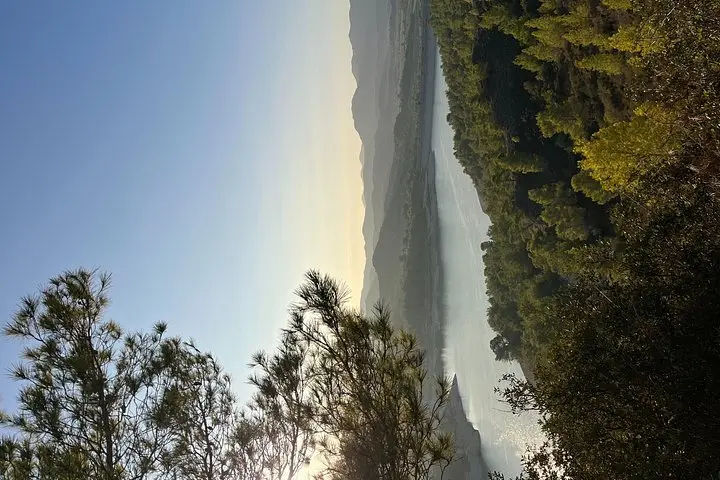
Morning light cuts across the water as walkers set off from the small snack bar beside Apolakkia Dam. The path threads between low pine stands, olive terraces and scrub, with the reservoir to one side daring you to pause for a photograph. The air smells of resin and dry earth; footsteps and bird calls fill the quiet where traffic disappears.
Verified experiences and guided adventures in the surrounding area.
Operated by Rhodescape Park · Apolakkia, Rhodes
Morning light cuts across the water as walkers set off from the small snack bar beside Apolakkia Dam. The path threads between low pine stands, olive terraces and scrub, with the reservoir to one side daring you to pause for a photograph. The air smells of resin and dry earth; footsteps and bird calls fill the quiet where traffic disappears.
The dam itself is a modern reservoir serving southern Rhodes’ agricultural valleys, carved into limestone slopes that record the island’s tectonic uplift and coastal plain formation. Hikers pass an old spring and a small stone church, reminders of local rural life and a landscape shaped by shepherds and olive growers for centuries. Guides point out indigenous trees — carob, Kermes oak, and tamarisk — and explain their traditional uses.
The route is largely singletrack and farm roads, rolling with occasional short climbs and loose rock underfoot; athletes use the same tracks for local trail races. Expect roughly 15 km of mixed terrain with an estimated 300–400 m total ascent, taking about 5–6 hours including breaks. The group finishes back at the lakeside snack bar where a main dish and a cold drink are included — a practical reward after a sustained effort.
Practical notes: wear sturdy footwear, carry sun protection and 1–2 liters of water (bottled water is provided), and be prepared for uneven footing. Guided groups are small and the pace is brisk; this is best for fit hikers comfortable with sustained distances and some rocky sections.
The trail is challenging for inexperienced walkers due to distance and loose terrain; expect 300–400 m total ascent and a 5–6 hour pace with breaks.
Yes — one main dish from the menu and a cold soft drink or beer are included after the hike; bottled water and snacks are provided during the walk.
The hike is best for fit participants; beginners who regularly walk shorter distances may manage if prepared, but the operator notes high fitness is recommended.
Yes — the tour lists hiking poles as provided equipment, but you may bring your own if preferred.
Rhodescape Park operates guided outdoor trips and adventures with an emphasis on safety, stewardship, and memorable experiences.
Morning light cuts across the water as walkers set off from the small snack bar beside Apolakkia Dam. The path threads between low pine stands, olive terraces and scrub, with the reservoir to one side daring you to pause for a photograph. The air smells of resin and dry earth; footsteps and bird calls fill the quiet where traffic disappears.
Morning light cuts across the water as walkers set off from the small snack bar beside Apolakkia Dam. The path threads between low pine stands, olive terraces and scrub, with the reservoir to one side daring you to pause for a photograph. The air smells of resin and dry earth; footsteps and bird calls fill the quiet where traffic disappears.
The dam itself is a modern reservoir serving southern Rhodes’ agricultural valleys, carved into limestone slopes that record the island’s tectonic uplift and coastal plain formation. Hikers pass an old spring and a small stone church, reminders of local rural life and a landscape shaped by shepherds and olive growers for centuries. Guides point out indigenous trees — carob, Kermes oak, and tamarisk — and explain their traditional uses.
The route is largely singletrack and farm roads, rolling with occasional short climbs and loose rock underfoot; athletes use the same tracks for local trail races. Expect roughly 15 km of mixed terrain with an estimated 300–400 m total ascent, taking about 5–6 hours including breaks. The group finishes back at the lakeside snack bar where a main dish and a cold drink are included — a practical reward after a sustained effort.
Practical notes: wear sturdy footwear, carry sun protection and 1–2 liters of water (bottled water is provided), and be prepared for uneven footing. Guided groups are small and the pace is brisk; this is best for fit hikers comfortable with sustained distances and some rocky sections.