
Aqaba Street Food, Culture & History Walking Tour: Taste, Learn, and Explore the Corniche
Walk Aqaba like a local: taste Bedouin tea, haggle at the fish market, and see a 2,000-year-old trade hub on a 2–3 hour guided tour. Practical tips on timing, dress, and what to expect make this ideal for first-time visitors.
An Adventure In Aqaba.
Walk Aqaba like a local: taste Bedouin tea, haggle at the fish market, and see a 2,000-year-old trade hub on a 2–3 hour guided tour. Practical tips on timing, dress, and what to expect make this ideal for first-time visitors.
Read the full experience
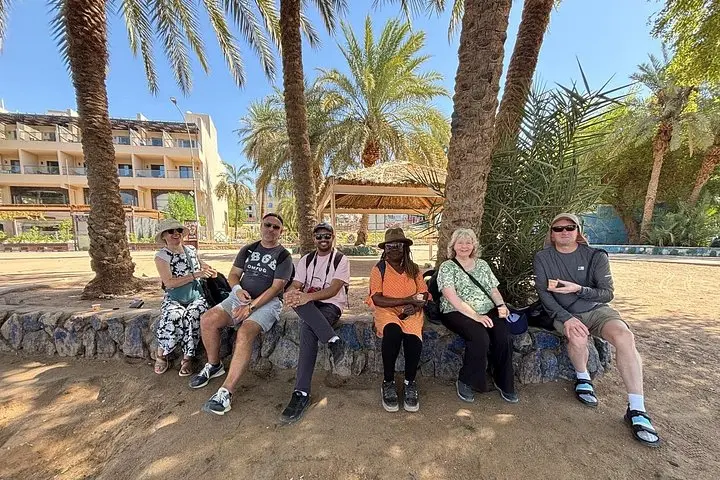
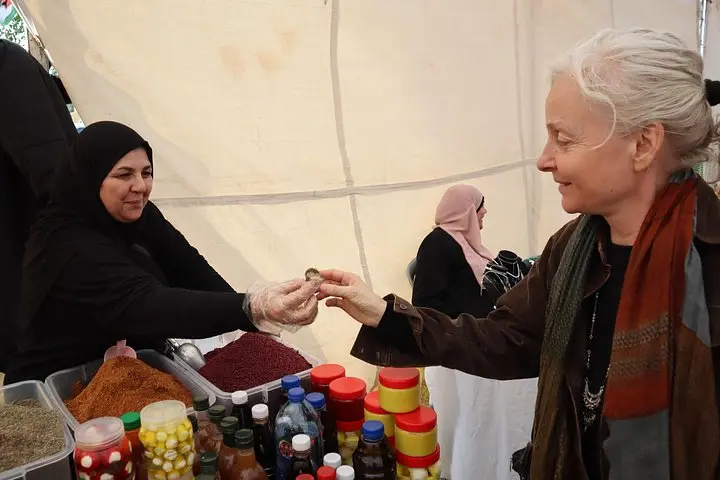
Morning light spills across Al-Corniche as the Red Sea gently presses against the shore, and a small group threads through a mix of market alleys and seaside pavement. The guide leads past fishermen mending nets, spice stalls stacking color into neat cones, and cafés where Bedouin tea steams in brass pots—each stop a staged surprise rather than a scripted attraction.
Morning light spills across Al-Corniche as the Red Sea gently presses against the shore, and a small group threads through a mix of market alleys and seaside pavement. The guide leads past fishermen mending nets, spice stalls stacking color into neat cones, and cafés where Bedouin tea steams in brass pots—each stop a staged surprise rather than a scripted attraction.
Aqaba’s streets mirror its history: a 2,000-year-old trading crossroads that linked Arabia, Egypt and the Levant. Geology is visible too—the city sits at the northern edge of the Red Sea rift, and offshore coral shelves shape the horizon and the local diet. Cultural notes arrive in simple forms—modest dress, polite greetings, and the slow ritual of coffee that marks hospitality here.
Expect tiled fort walls from the Mamluk and Ottoman eras, the lively fish market where arrivals from the Red Sea are sold by the kilo, and hidden-side cafés that locals favor after prayer. The walk moves at an easy pace but covers varied surfaces—paved corniche, stone market lanes, and short stairways.
Practical guidance: plan for 2–3 hours, bring a refillable water bottle, and carry small cash for tastings. Midday can be hot in summer; early morning or late afternoon make photography and sampling more comfortable. Wear comfortable, modest clothing and shoes suited to walking on uneven pavement. Respect local customs when photographing people and step aside for prayer times. With sensible gear and an open appetite, this tour reads the city at human scale—food, history, and the sea converging in approachable bites.
Frequently asked questions
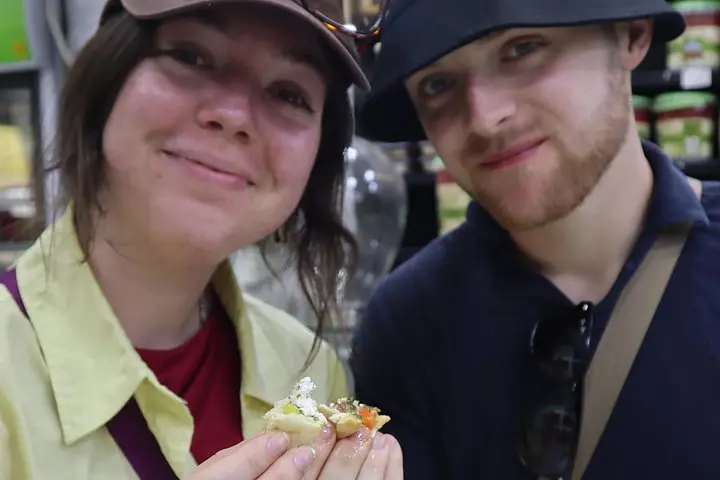
Yes—tastings of popular street foods, local desserts, and a tea or coffee stop are included as described in the itinerary.
Yes—strollers are accessible on most parts of the route, but some market alleys can be narrow or crowded.
This specific tour is not recommended for pregnant travelers according to the operator’s guidance.
Tours are typically delivered in English with small-group sizes (up to six people), creating time for questions and personalized stops.
About This Experience
Anas operates guided outdoor trips and adventures with an emphasis on safety, stewardship, and memorable experiences.
Adventure tips
Recommended gear
- Comfortable closed-toe walking shoes: Protects feet on uneven market lanes, stairs, and the corniche promenade.
- Refillable water bottle: Staying hydrated is essential in Aqaba’s heat; many stops provide water or refill options.
- Sun hat and sunglasses: Reduces heat exposure during midday walks along the exposed corniche.
- Light modest layers or shawl: Easy to add or remove for cultural modesty and changing temperatures near the sea.
Photos of the experience

Related adventures & guides
Read the full experience
Morning light spills across Al-Corniche as the Red Sea gently presses against the shore, and a small group threads through a mix of market alleys and seaside pavement. The guide leads past fishermen mending nets, spice stalls stacking color into neat cones, and cafés where Bedouin tea steams in brass pots—each stop a staged surprise rather than a scripted attraction.
Morning light spills across Al-Corniche as the Red Sea gently presses against the shore, and a small group threads through a mix of market alleys and seaside pavement. The guide leads past fishermen mending nets, spice stalls stacking color into neat cones, and cafés where Bedouin tea steams in brass pots—each stop a staged surprise rather than a scripted attraction.
Aqaba’s streets mirror its history: a 2,000-year-old trading crossroads that linked Arabia, Egypt and the Levant. Geology is visible too—the city sits at the northern edge of the Red Sea rift, and offshore coral shelves shape the horizon and the local diet. Cultural notes arrive in simple forms—modest dress, polite greetings, and the slow ritual of coffee that marks hospitality here.
Expect tiled fort walls from the Mamluk and Ottoman eras, the lively fish market where arrivals from the Red Sea are sold by the kilo, and hidden-side cafés that locals favor after prayer. The walk moves at an easy pace but covers varied surfaces—paved corniche, stone market lanes, and short stairways.
Practical guidance: plan for 2–3 hours, bring a refillable water bottle, and carry small cash for tastings. Midday can be hot in summer; early morning or late afternoon make photography and sampling more comfortable. Wear comfortable, modest clothing and shoes suited to walking on uneven pavement. Respect local customs when photographing people and step aside for prayer times. With sensible gear and an open appetite, this tour reads the city at human scale—food, history, and the sea converging in approachable bites.
Make a day of it nearby.
Verified experiences and guided adventures in the surrounding area.