THE ADVENTURE COLLECTIVE® · Independent discovery and booking for outdoor travel

Step into AquaRio and trade city noise for a slow, blue current of marine life. This guide explains what to expect, practical tips for timing and transport, and how to make the most of a 1–4 hour visit to South America’s largest aquarium.
Step into AquaRio and trade city noise for a slow, blue current of marine life. This guide explains what to expect, practical tips for timing and transport, and how to make the most of a 1–4 hour visit to South America’s largest aquarium.
You step off the waterfront and the aquarium’s glass façade shimmers against the Bay of Guanabara. Inside, a slow current of blue carries schools of fish past multi-level viewing decks; a cavernous central tank pulls the eye and holds it — an urban ocean beneath the city’s granite ridges.
Verified experiences and guided adventures in the surrounding area.
Operated by GO NOW TOURS · Rio de Janeiro, Rio de Janeiro
You step off the waterfront and the aquarium’s glass façade shimmers against the Bay of Guanabara. Inside, a slow current of blue carries schools of fish past multi-level viewing decks; a cavernous central tank pulls the eye and holds it — an urban ocean beneath the city’s granite ridges.
AquaRio sits on Rio’s Olympic Boulevard beside the Museum of Tomorrow and the port promenade, part of the waterfront renewal tied to the 2016 Games. The building contains millions of liters of seawater and displays hundreds of species from Brazil’s coastal ecosystems, from rocky shore dwellers to reef communities. Geologically, Guanabara Bay is framed by ancient granitic outcrops and the forested flanks of Tijuca; the aquarium showcases the marine side of that landscape.
Expect interpretive panels on Atlantic coast habitats, family-friendly walkthroughs and a main tank that lets you watch pelagic behavior at scale. The mood is educational and accessible — suitable for children, seniors and visitors with mobility needs.
Practical guidance: tickets are sold per person and accepted on mobile; plan 60–240 minutes depending on curiosity and kids. Morning visits avoid school groups and midday heat. Photography is allowed in public spaces, but check for feeding demonstrations or restricted zones. Use public transit or taxis; the waterfront is stroller- and wheelchair-friendly. Hydrate, wear comfortable shoes for ramps and platforms, and leave single-use plastics at home.
A visit to AquaRio pairs well with a walk along Praça Mauá, a Ferris wheel ride and a bay-side meal — a compact marine immersion in the heart of Rio.
No; mobile tickets are accepted and fast to scan at the entrance.
Most visitors spend 60–240 minutes depending on interest level and whether you attend talks or demonstrations.
Yes; the site is designed with ramps, elevators and accessible surfaces throughout public areas.
The facility features educational exhibits and programming about Atlantic coastal ecosystems; specific rehabilitation programs vary and are often highlighted on-site.
GO NOW TOURS operates guided outdoor trips and adventures with an emphasis on safety, stewardship, and memorable experiences.
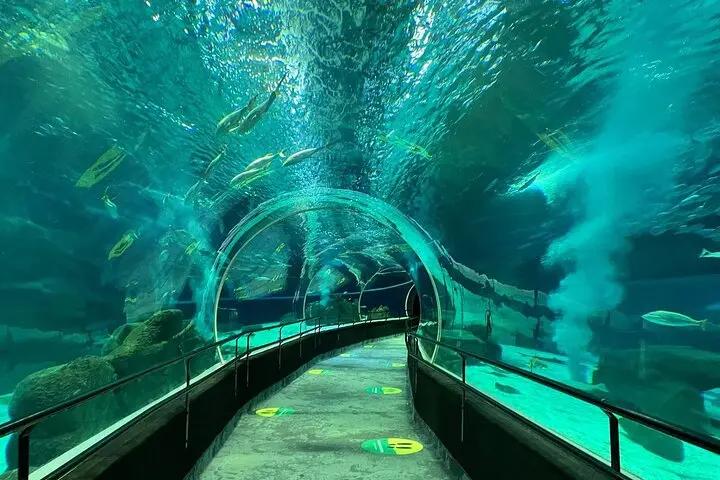
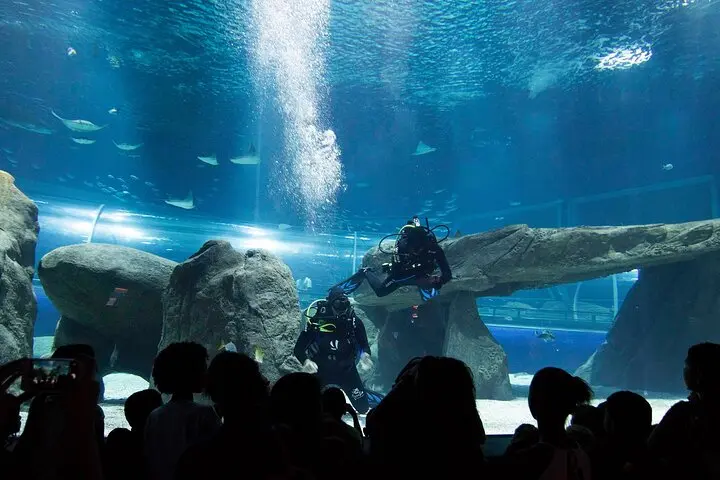
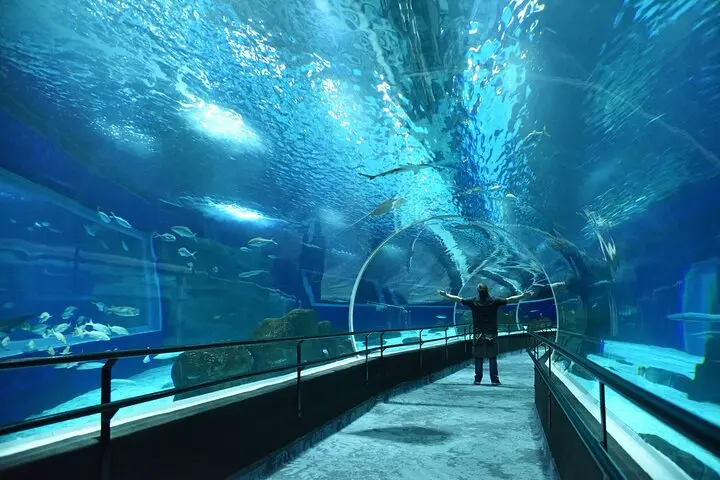
You step off the waterfront and the aquarium’s glass façade shimmers against the Bay of Guanabara. Inside, a slow current of blue carries schools of fish past multi-level viewing decks; a cavernous central tank pulls the eye and holds it — an urban ocean beneath the city’s granite ridges.
You step off the waterfront and the aquarium’s glass façade shimmers against the Bay of Guanabara. Inside, a slow current of blue carries schools of fish past multi-level viewing decks; a cavernous central tank pulls the eye and holds it — an urban ocean beneath the city’s granite ridges.
AquaRio sits on Rio’s Olympic Boulevard beside the Museum of Tomorrow and the port promenade, part of the waterfront renewal tied to the 2016 Games. The building contains millions of liters of seawater and displays hundreds of species from Brazil’s coastal ecosystems, from rocky shore dwellers to reef communities. Geologically, Guanabara Bay is framed by ancient granitic outcrops and the forested flanks of Tijuca; the aquarium showcases the marine side of that landscape.
Expect interpretive panels on Atlantic coast habitats, family-friendly walkthroughs and a main tank that lets you watch pelagic behavior at scale. The mood is educational and accessible — suitable for children, seniors and visitors with mobility needs.
Practical guidance: tickets are sold per person and accepted on mobile; plan 60–240 minutes depending on curiosity and kids. Morning visits avoid school groups and midday heat. Photography is allowed in public spaces, but check for feeding demonstrations or restricted zones. Use public transit or taxis; the waterfront is stroller- and wheelchair-friendly. Hydrate, wear comfortable shoes for ramps and platforms, and leave single-use plastics at home.
A visit to AquaRio pairs well with a walk along Praça Mauá, a Ferris wheel ride and a bay-side meal — a compact marine immersion in the heart of Rio.