THE ADVENTURE COLLECTIVE® · Independent discovery and booking for outdoor travel

Wetsuit on, helmet clipped: an aquatic hike through the Grand Canyon du Verdon is a three-hour river trek through turquoise currents and towering limestone walls. It’s equal parts easy drift and optional adrenaline—guided, scenic, and rooted in Provençal landscape.
Wetsuit on, helmet clipped: an aquatic hike through the Grand Canyon du Verdon is a three-hour river trek through turquoise currents and towering limestone walls. It’s equal parts easy drift and optional adrenaline—guided, scenic, and rooted in Provençal landscape.
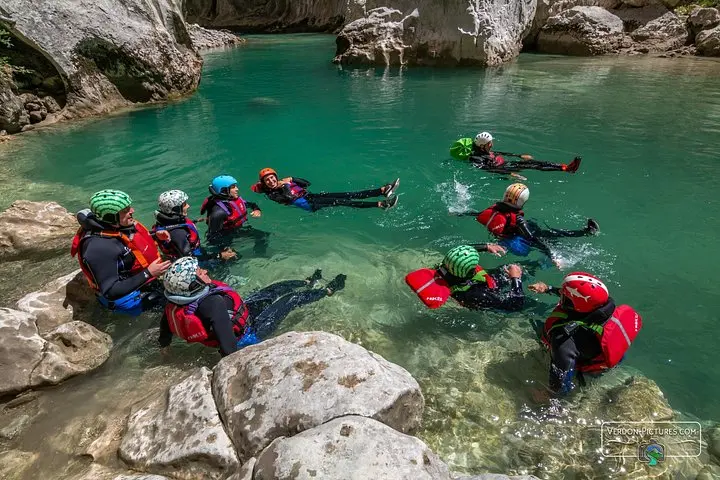
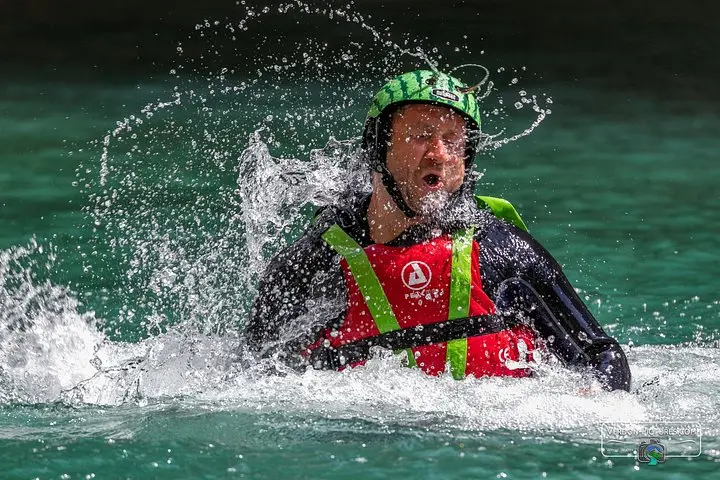
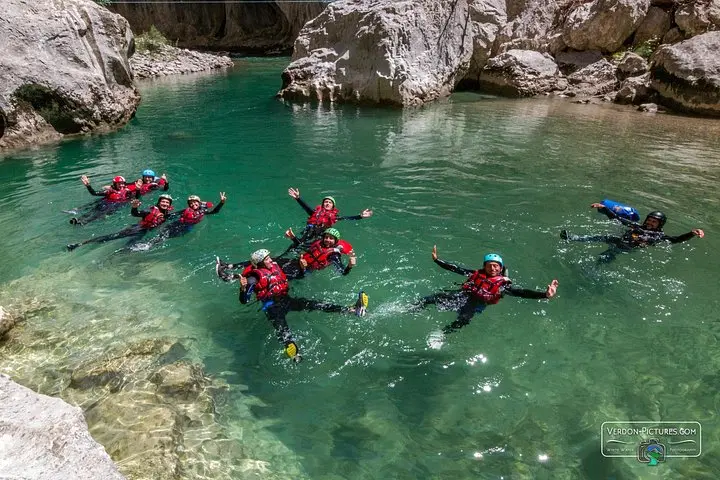
The river finds you before you find it: a bright thread of turquoise threading the base of vertical limestone walls, the canyon narrowing to a corridor where the current insists you move. On an aquatic hike in the Grand Canyon du Verdon, wet-suited guides shepherd small groups into that current. Helmets and life jackets are clipped on, a short safety briefing lands like a keystone, then you let the water do the work—walking, wading, swimming through riffles and hush pools, occasionally taking a guided, optional jump off a sun-warmed boulder.
Verified experiences and guided adventures in the surrounding area.
Operated by Verdon Xp & The Funny Helmets · Castellane, Provence-Alpes-Côte d'Azur
The river finds you before you find it: a bright thread of turquoise threading the base of vertical limestone walls, the canyon narrowing to a corridor where the current insists you move. On an aquatic hike in the Grand Canyon du Verdon, wet-suited guides shepherd small groups into that current. Helmets and life jackets are clipped on, a short safety briefing lands like a keystone, then you let the water do the work—walking, wading, swimming through riffles and hush pools, occasionally taking a guided, optional jump off a sun-warmed boulder.
The Verdon is geological theatre. Over millions of years the river cut into soft marine limestone uplifted by Alpine collisions, carving cliffs that now rise hundreds of meters above the channel. Human histories are smaller but vivid: shepherds and millers once grazed and worked these slopes; in the 20th century, sport climbers and river runners began mapping routes where locals had only paths. Today the canyon sits inside the Parc naturel régional du Verdon, a landscape where Provençal villages and chestnut woods butt up against dramatic bedrock.
Culture here is literal and local—after the hike you’ll pass through towns like Castellane or Moustiers-Sainte-Marie for a café and a slice of lavender-scented Provence. Guides usually point out terraces of old agricultural plots clinging to the gorge and explain how seasonal snowmelt amplifies the current in spring, making some sections livelier.
Practically, expect 3–4 hours of activity including transport from the meeting point. The operator provides a neoprene suit, helmet and life jacket; bring sturdy, closed-toe water shoes (no flip-flops), a small drybag for your phone, and a refillable water bottle. Temperatures on the water are cooler than the plateau above; a thermal layer under the suit can make a big difference outside high summer.
Safety is straightforward but real: guides assess jumps and rapids, and participation in jumps is never obligatory. This itinerary suits anyone with a moderate fitness base—comfortable swimming and able to hike short uphill sections. The operator may cancel in bad weather or low participation, so plan flexibly.
Leave the canyon as you found it: no trash, minimal noise, and avoid disturbing rock-nesting birds. If you’re chasing photographs, ask your guide for a safe pull-out where you can shoot the water’s color framed by vertical cliffs. For a full-day Provençal rhythm, cap your wet adventure with a late lunch in Castellane: the contrast between river-cool skin and a sun-drenched terrace is the kind of travel memory the Verdon gives freely.
Yes—participants should be comfortable in water and able to float or swim short distances; life jackets are provided for safety.
No—jumps are optional and guided. Your guide will show safe entry points and you can opt out at any time.
The tour provides a neoprene wetsuit, helmet, life jacket and private transport as described—bring personal footwear and a drybag.
Summer offers warm air temps and comfortable river conditions; late spring can have stronger flows from snowmelt and requires checking weather and operator advisories.
It’s moderate—expect several hours of walking, wading and swimming with intermittent climbs in and out of the water.
Tours can be cancelled for storms or unsafe river conditions; operators typically refund or reschedule when weather is the cause.
Verdon Xp & The Funny Helmets operates guided outdoor trips and adventures with an emphasis on safety, stewardship, and memorable experiences.
The river finds you before you find it: a bright thread of turquoise threading the base of vertical limestone walls, the canyon narrowing to a corridor where the current insists you move. On an aquatic hike in the Grand Canyon du Verdon, wet-suited guides shepherd small groups into that current. Helmets and life jackets are clipped on, a short safety briefing lands like a keystone, then you let the water do the work—walking, wading, swimming through riffles and hush pools, occasionally taking a guided, optional jump off a sun-warmed boulder.
The river finds you before you find it: a bright thread of turquoise threading the base of vertical limestone walls, the canyon narrowing to a corridor where the current insists you move. On an aquatic hike in the Grand Canyon du Verdon, wet-suited guides shepherd small groups into that current. Helmets and life jackets are clipped on, a short safety briefing lands like a keystone, then you let the water do the work—walking, wading, swimming through riffles and hush pools, occasionally taking a guided, optional jump off a sun-warmed boulder.
The Verdon is geological theatre. Over millions of years the river cut into soft marine limestone uplifted by Alpine collisions, carving cliffs that now rise hundreds of meters above the channel. Human histories are smaller but vivid: shepherds and millers once grazed and worked these slopes; in the 20th century, sport climbers and river runners began mapping routes where locals had only paths. Today the canyon sits inside the Parc naturel régional du Verdon, a landscape where Provençal villages and chestnut woods butt up against dramatic bedrock.
Culture here is literal and local—after the hike you’ll pass through towns like Castellane or Moustiers-Sainte-Marie for a café and a slice of lavender-scented Provence. Guides usually point out terraces of old agricultural plots clinging to the gorge and explain how seasonal snowmelt amplifies the current in spring, making some sections livelier.
Practically, expect 3–4 hours of activity including transport from the meeting point. The operator provides a neoprene suit, helmet and life jacket; bring sturdy, closed-toe water shoes (no flip-flops), a small drybag for your phone, and a refillable water bottle. Temperatures on the water are cooler than the plateau above; a thermal layer under the suit can make a big difference outside high summer.
Safety is straightforward but real: guides assess jumps and rapids, and participation in jumps is never obligatory. This itinerary suits anyone with a moderate fitness base—comfortable swimming and able to hike short uphill sections. The operator may cancel in bad weather or low participation, so plan flexibly.
Leave the canyon as you found it: no trash, minimal noise, and avoid disturbing rock-nesting birds. If you’re chasing photographs, ask your guide for a safe pull-out where you can shoot the water’s color framed by vertical cliffs. For a full-day Provençal rhythm, cap your wet adventure with a late lunch in Castellane: the contrast between river-cool skin and a sun-drenched terrace is the kind of travel memory the Verdon gives freely.