THE ADVENTURE COLLECTIVE® · Independent discovery and booking for outdoor travel

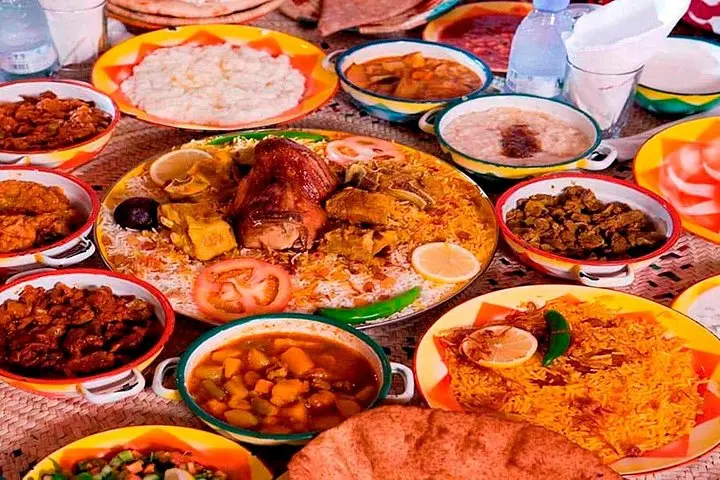
An evening at Al Najd Village recreates the Najdi dining room: lantern light, shared platters of kabsa and jereesh, and hospitality that follows centuries-old rhythms. This four-hour, hotel‑pickup experience is a practical, flavorful introduction to traditional Saudi cuisine.
An evening at Al Najd Village recreates the Najdi dining room: lantern light, shared platters of kabsa and jereesh, and hospitality that follows centuries-old rhythms. This four-hour, hotel‑pickup experience is a practical, flavorful introduction to traditional Saudi cuisine.
You arrive as dusk softens Riyadh and step through a doorway that trades the city's glass and asphalt for low white walls, carved wooden beams and the warm hush of a Najdi majlis. Lanterns throw amber pools across woven rugs; cardamom coffee steams like a welcome. The air tastes of slow-cooked spices that seem to dare you to sit, unwrap a date and begin.
Verified experiences and guided adventures in the surrounding area.
Operated by Gray Line - Kurban Tours · Riyadh, Riyadh Province
You arrive as dusk softens Riyadh and step through a doorway that trades the city's glass and asphalt for low white walls, carved wooden beams and the warm hush of a Najdi majlis. Lanterns throw amber pools across woven rugs; cardamom coffee steams like a welcome. The air tastes of slow-cooked spices that seem to dare you to sit, unwrap a date and begin.
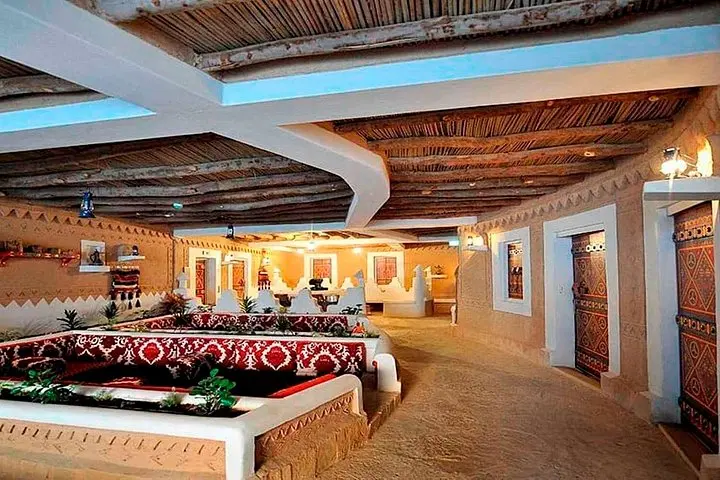
The experience is rooted in Najd, the central Saudi plateau where mudbrick architecture and communal dining evolved for long, dry seasons. Expect traditional Najdi dishes—rice-based kabsa and mandi variants, jereesh porridge, roasted meats and spiced vegetable mezze—served in a setting modeled on rural village life and heritage sessions that echo older social rhythms.
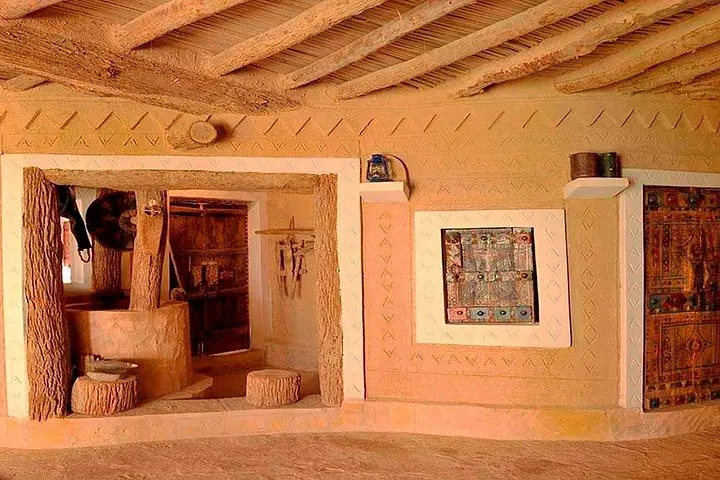
Culturally, the meal is as much about rhythm and hospitality as flavor: shared plates, sequential courses, and coffee poured as a mark of respect. Geology matters here too—the Najd’s flat red plains shaped settlement patterns and the wood-and-clay building styles you’ll see recreated at the restaurant.
Practical guidance: the tour includes hotel pickup and runs about four hours, so plan an evening slot. Dress modestly—light, breathable fabrics in summer and a light layer in the cooler months. Flag dietary needs in advance; menu items are large-plate, family-style portions. Bring a camera but be respectful of diners and performance moments. Payment and tipping are typically accepted by card or cash.
This is an accessible introduction to Saudi culinary heritage: vivid flavors, deliberate pacing, and a setting that places food within a living cultural story.
Yes—hotel pickup within Riyadh is included; you’ll be asked to provide a pickup point and full names when booking.
Most restaurants in Riyadh serve halal food by default; vegetarian options are usually available if requested in advance—notify the operator when booking.
Modest dress is expected—cover shoulders and knees; breathable fabrics are recommended in warmer months.
The venue often stages heritage-inspired sessions to complement the meal; programming can vary, so check the itinerary for the night’s schedule.
Gray Line - Kurban Tours operates guided outdoor trips and adventures with an emphasis on safety, stewardship, and memorable experiences.
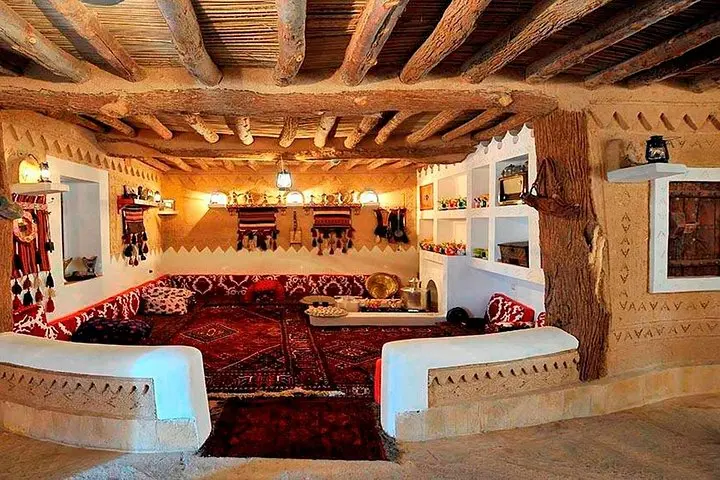
You arrive as dusk softens Riyadh and step through a doorway that trades the city's glass and asphalt for low white walls, carved wooden beams and the warm hush of a Najdi majlis. Lanterns throw amber pools across woven rugs; cardamom coffee steams like a welcome. The air tastes of slow-cooked spices that seem to dare you to sit, unwrap a date and begin.
You arrive as dusk softens Riyadh and step through a doorway that trades the city's glass and asphalt for low white walls, carved wooden beams and the warm hush of a Najdi majlis. Lanterns throw amber pools across woven rugs; cardamom coffee steams like a welcome. The air tastes of slow-cooked spices that seem to dare you to sit, unwrap a date and begin.
The experience is rooted in Najd, the central Saudi plateau where mudbrick architecture and communal dining evolved for long, dry seasons. Expect traditional Najdi dishes—rice-based kabsa and mandi variants, jereesh porridge, roasted meats and spiced vegetable mezze—served in a setting modeled on rural village life and heritage sessions that echo older social rhythms.
Culturally, the meal is as much about rhythm and hospitality as flavor: shared plates, sequential courses, and coffee poured as a mark of respect. Geology matters here too—the Najd’s flat red plains shaped settlement patterns and the wood-and-clay building styles you’ll see recreated at the restaurant.
Practical guidance: the tour includes hotel pickup and runs about four hours, so plan an evening slot. Dress modestly—light, breathable fabrics in summer and a light layer in the cooler months. Flag dietary needs in advance; menu items are large-plate, family-style portions. Bring a camera but be respectful of diners and performance moments. Payment and tipping are typically accepted by card or cash.
This is an accessible introduction to Saudi culinary heritage: vivid flavors, deliberate pacing, and a setting that places food within a living cultural story.