
Aral Sea Photo Tour from Khiva or Nukus — Muynak, Ustyurt Plateau & Yurt Camp
Drive across a reclaimed seabed to photograph rusting ships at Muynak, camp in yurts on the shrinking Aral shore and watch migratory birds at Sudochie Lake. This two-day photo tour pairs landscape and cultural history with hands-on time in raw, wind-swept places.
An Adventure In Nukus.
Drive across a reclaimed seabed to photograph rusting ships at Muynak, camp in yurts on the shrinking Aral shore and watch migratory birds at Sudochie Lake. This two-day photo tour pairs landscape and cultural history with hands-on time in raw, wind-swept places.
Read the full experience
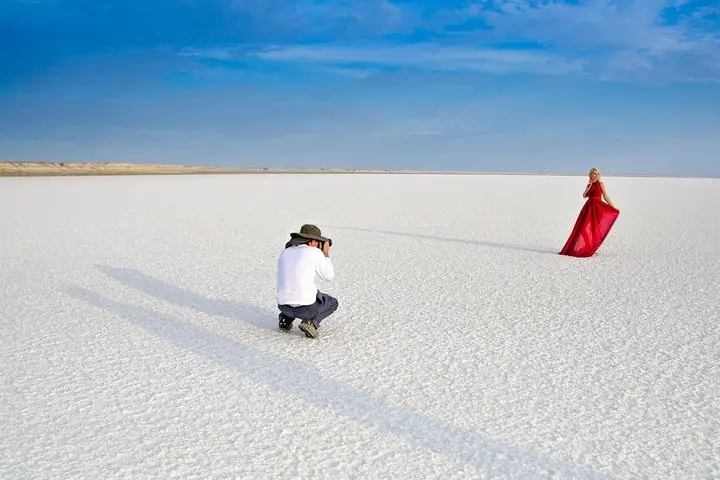
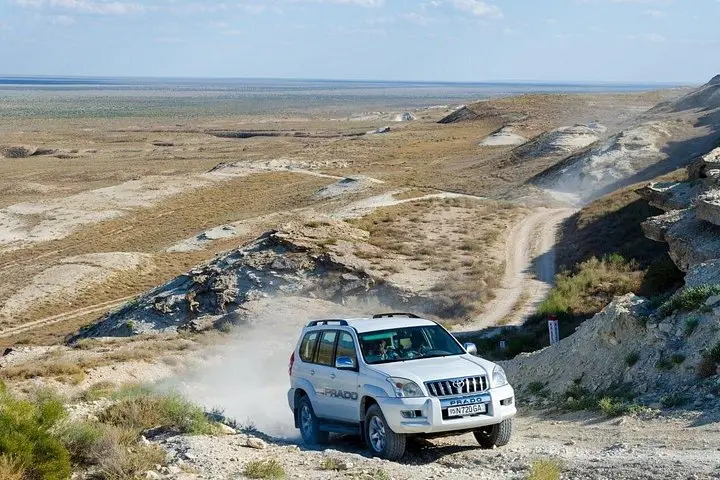
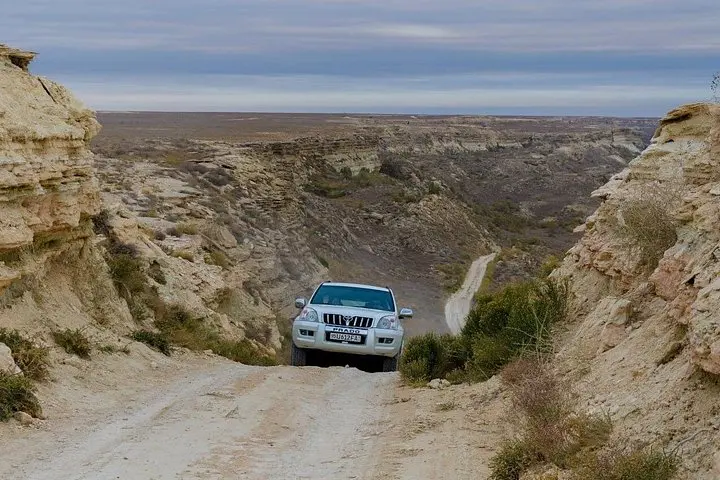
You slide out of the vehicle onto a white, salt-crusted plain and the wind immediately stakes its claim — carrying grit, a few evaporated fish bones and the hollow echo of a ship that no longer moves. The Ship Cemetery at Muynak greets you: rusting hulls strung across dry seabed like monuments to a vanishing coastline. Later, the Ustyurt Plateau rises ahead, chalk cliffs and wide horizons sharpening the light that photographers crave.
You slide out of the vehicle onto a white, salt-crusted plain and the wind immediately stakes its claim — carrying grit, a few evaporated fish bones and the hollow echo of a ship that no longer moves. The Ship Cemetery at Muynak greets you: rusting hulls strung across dry seabed like monuments to a vanishing coastline. Later, the Ustyurt Plateau rises ahead, chalk cliffs and wide horizons sharpening the light that photographers crave.
This two-day route traces the Aral Sea’s modern story and older layers beneath it. Once the fourth-largest inland sea, the Aral has been reshaped by Soviet irrigation projects; today its abandoned ports, exposed seabed and new salt flats are simultaneously geological record and cultural relic. Karakalpak villages, Silk Road outposts and necropolises like Mizdakhan signal human layers that predate modern change. Birdlife clusters at Sudochie Lake and the reclaimed pockets of water attract flamingos and pelicans during migration.
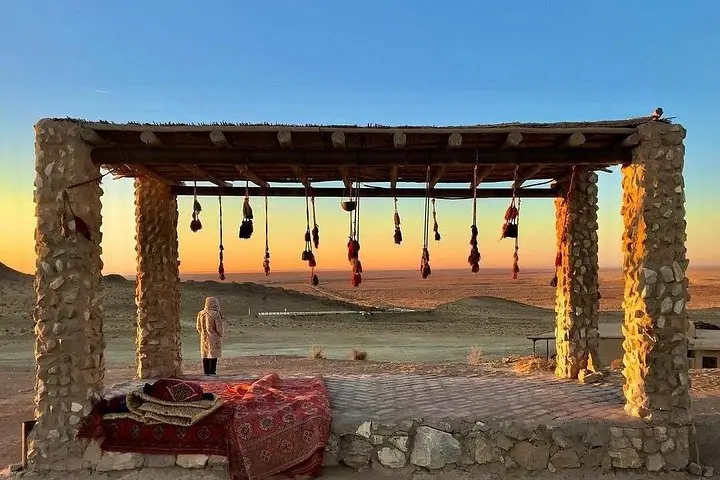
Practical guidance: expect long drives on gravel and desert roads—total driving can exceed 8–10 hours across the trip—so travel with a local driver and a patient schedule. Nights in a yurt camp are simple but comfortable; temperatures drop fast after sunset, so pack insulating layers. Bring sun protection, ample water and a dust cover for cameras. For the best light, plan to shoot the Ship Cemetery at sunrise or the plateau at golden hour. Respect local customs in villages and follow your guide’s directions around fragile salt crusts and protected birding areas.
This trip is equal parts landscape photography workshop and field archaeology: bring patience, low gear-maintenance expectations and curiosity for places where nature is still rewriting the map.
Frequently asked questions
Facilities are basic; expect guesthouse lunches and a simple yurt camp with shared facilities—bring personal toiletries and any medications.
Swimming is seasonal and localized; water salinity and local conditions vary, so follow your guide’s recommendation before entering the water.
A professional photographer can accompany the tour per your needs to offer composition and technical guidance—confirm at booking.
The tour is not recommended for travelers with significant spinal, cardiovascular conditions or those who cannot manage moderate walking and uneven terrain.
About This Experience
Guided Travels operates guided outdoor trips and adventures with an emphasis on safety, stewardship, and memorable experiences.
Adventure tips
Recommended gear
- Sturdy walking shoes: Grip and ankle support for uneven salt flats, gravel and short plateau scrambles.
- Sun protection (hat, SPF, sunglasses): Open plains amplify sun exposure—protect skin and eyes for long outdoor shoots.
- Camera and tripod: A tripod stabilizes shots in low light and across windy plains; bring lens protection from salt spray.
- Insulating layers and windproof jacket: Temperatures fall quickly after sunset on the plains and at camp—pack warm, compressible layers.
Photos of the experience
Related adventures & guides
Read the full experience
You slide out of the vehicle onto a white, salt-crusted plain and the wind immediately stakes its claim — carrying grit, a few evaporated fish bones and the hollow echo of a ship that no longer moves. The Ship Cemetery at Muynak greets you: rusting hulls strung across dry seabed like monuments to a vanishing coastline. Later, the Ustyurt Plateau rises ahead, chalk cliffs and wide horizons sharpening the light that photographers crave.
You slide out of the vehicle onto a white, salt-crusted plain and the wind immediately stakes its claim — carrying grit, a few evaporated fish bones and the hollow echo of a ship that no longer moves. The Ship Cemetery at Muynak greets you: rusting hulls strung across dry seabed like monuments to a vanishing coastline. Later, the Ustyurt Plateau rises ahead, chalk cliffs and wide horizons sharpening the light that photographers crave.
This two-day route traces the Aral Sea’s modern story and older layers beneath it. Once the fourth-largest inland sea, the Aral has been reshaped by Soviet irrigation projects; today its abandoned ports, exposed seabed and new salt flats are simultaneously geological record and cultural relic. Karakalpak villages, Silk Road outposts and necropolises like Mizdakhan signal human layers that predate modern change. Birdlife clusters at Sudochie Lake and the reclaimed pockets of water attract flamingos and pelicans during migration.
Practical guidance: expect long drives on gravel and desert roads—total driving can exceed 8–10 hours across the trip—so travel with a local driver and a patient schedule. Nights in a yurt camp are simple but comfortable; temperatures drop fast after sunset, so pack insulating layers. Bring sun protection, ample water and a dust cover for cameras. For the best light, plan to shoot the Ship Cemetery at sunrise or the plateau at golden hour. Respect local customs in villages and follow your guide’s directions around fragile salt crusts and protected birding areas.
This trip is equal parts landscape photography workshop and field archaeology: bring patience, low gear-maintenance expectations and curiosity for places where nature is still rewriting the map.
Make a day of it nearby.
Verified experiences and guided adventures in the surrounding area.