THE ADVENTURE COLLECTIVE® · Independent discovery and booking for outdoor travel

Spend a day with a private guide between Kyoto’s Arashiyama bamboo forest and Nara’s park of tame deer. This eight-hour route pairs quiet temple gardens with the monumental Todaiji, balancing cultural depth with manageable walking.
Spend a day with a private guide between Kyoto’s Arashiyama bamboo forest and Nara’s park of tame deer. This eight-hour route pairs quiet temple gardens with the monumental Todaiji, balancing cultural depth with manageable walking.
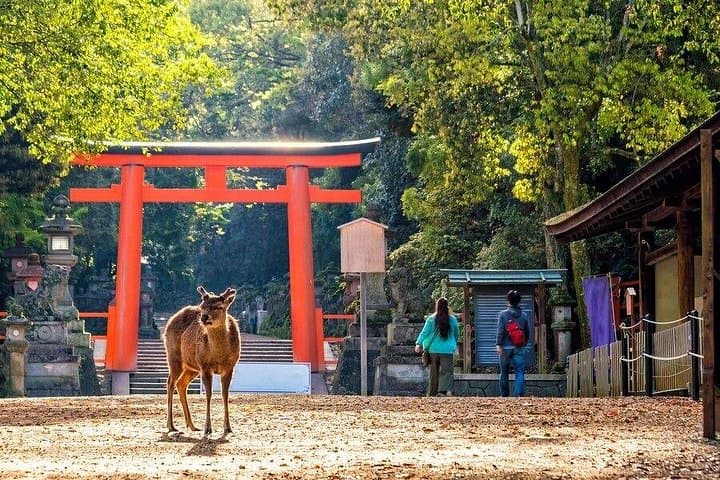
You step off the van into a corridor of bamboo that hums with wind; shafts of light skim the green stalks while the Hozu River murmurs below, daring you toward the Togetsu Bridge. Later, in Nara, deer lift their heads from the grass and approach with unnerving politeness, nudging for the small crackers that visitors buy.
Verified experiences and guided adventures in the surrounding area.
Operated by Ahmed Abu Tayeh · Kyoto, Kyoto Prefecture
You step off the van into a corridor of bamboo that hums with wind; shafts of light skim the green stalks while the Hozu River murmurs below, daring you toward the Togetsu Bridge. Later, in Nara, deer lift their heads from the grass and approach with unnerving politeness, nudging for the small crackers that visitors buy.
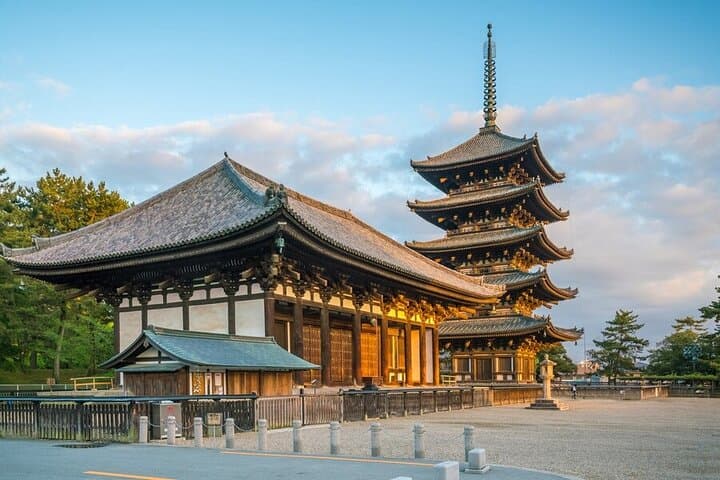
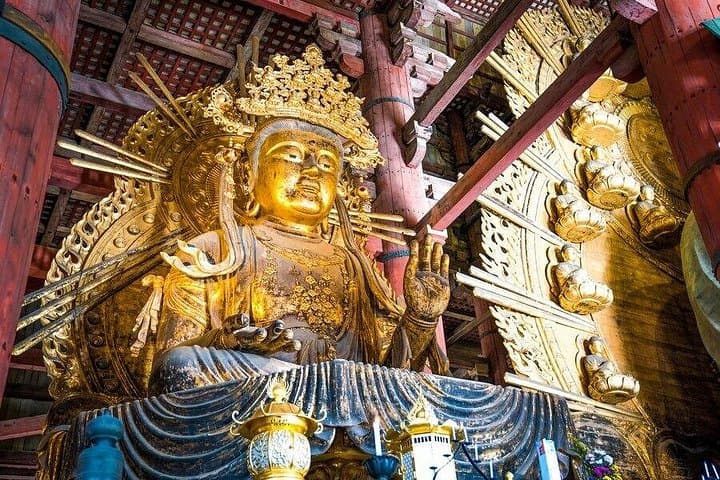
This eight-hour private tour threads two distinct chapters of Kansai: Arashiyama’s Zen gardens and Tenryu-ji’s pond landscapes—shaped during the Muromachi period—and Nara’s early capital, where Todaiji’s Great Buddha (Daibutsu) anchors an 8th-century Buddhist legacy. Geologically the region shifts from the fluvial terraces of the Katsura and Hozu rivers to the broad alluvial plains around Nara, which helped the ancient capital thrive.
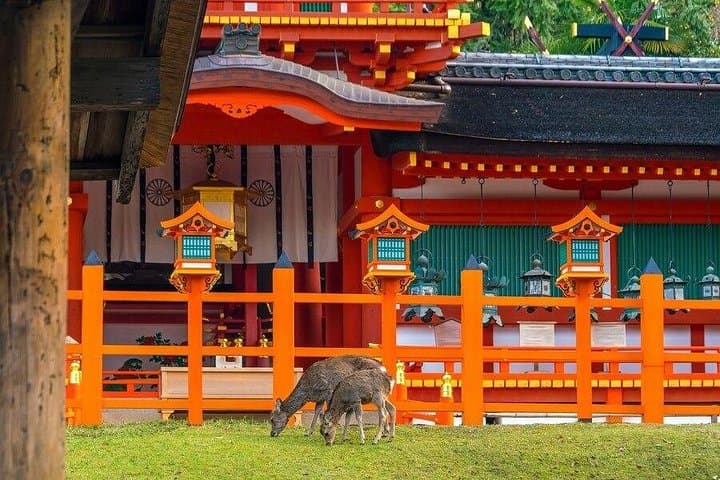
You’ll pass the architecture of Kasuga Shrine with its thousand lanterns and the intimacy of Nonomiya Shrine in a mossy grove. Local culture is tactile here—Shinto reverence for deer, rice-farming rhythms, and temple routines that reward quiet observation.
Practical notes: the tour runs roughly 8 hours with hotel pickup in Kyoto; transportation costs are separate and paid to the driver. Expect moderate walking on paved and compacted dirt paths, occasional steps at temple approaches, and crowds at peak times. Carry cash for temple donations, deer crackers, and optional boat rides; bring comfortable shoes, layered clothing for sudden rains, and a refillable bottle. Start early to catch the bamboo grove before tour buses arrive and allow extra time at Todaiji—its scale needs a slower pace.
No. The quoted rate covers guide and driver arrangement; vehicle costs are paid separately in cash to the driver on the day.
Yes. The private tour is flexible—sites and pacing can be adjusted with advance notice to the guide.
Many locations have accessible paths and the provider notes wheelchair-accessible options, but some temple areas include steps—check specific needs when booking.
Yes; infants must sit on laps. Interacting with deer is family-friendly but supervise children around animals and water.
Ahmed Abu Tayeh operates guided outdoor trips and adventures with an emphasis on safety, stewardship, and memorable experiences.
You step off the van into a corridor of bamboo that hums with wind; shafts of light skim the green stalks while the Hozu River murmurs below, daring you toward the Togetsu Bridge. Later, in Nara, deer lift their heads from the grass and approach with unnerving politeness, nudging for the small crackers that visitors buy.
You step off the van into a corridor of bamboo that hums with wind; shafts of light skim the green stalks while the Hozu River murmurs below, daring you toward the Togetsu Bridge. Later, in Nara, deer lift their heads from the grass and approach with unnerving politeness, nudging for the small crackers that visitors buy.
This eight-hour private tour threads two distinct chapters of Kansai: Arashiyama’s Zen gardens and Tenryu-ji’s pond landscapes—shaped during the Muromachi period—and Nara’s early capital, where Todaiji’s Great Buddha (Daibutsu) anchors an 8th-century Buddhist legacy. Geologically the region shifts from the fluvial terraces of the Katsura and Hozu rivers to the broad alluvial plains around Nara, which helped the ancient capital thrive.
You’ll pass the architecture of Kasuga Shrine with its thousand lanterns and the intimacy of Nonomiya Shrine in a mossy grove. Local culture is tactile here—Shinto reverence for deer, rice-farming rhythms, and temple routines that reward quiet observation.
Practical notes: the tour runs roughly 8 hours with hotel pickup in Kyoto; transportation costs are separate and paid to the driver. Expect moderate walking on paved and compacted dirt paths, occasional steps at temple approaches, and crowds at peak times. Carry cash for temple donations, deer crackers, and optional boat rides; bring comfortable shoes, layered clothing for sudden rains, and a refillable bottle. Start early to catch the bamboo grove before tour buses arrive and allow extra time at Todaiji—its scale needs a slower pace.