THE ADVENTURE COLLECTIVE® · Independent discovery and booking for outdoor travel

Step through Arashiyama’s towering bamboo stalks and along river viewpoints on a 3.5-hour guided walk that blends nature, history, and Kyoto’s local crafts. Learn when to go, what to bring, and how to move through the grove with ease.
Step through Arashiyama’s towering bamboo stalks and along river viewpoints on a 3.5-hour guided walk that blends nature, history, and Kyoto’s local crafts. Learn when to go, what to bring, and how to move through the grove with ease.
Morning light filters down between towering bamboo stalks as the path narrows and the city’s hum falls away. The Arashiyama bamboo grove opens like a green cathedral: stems sway, shadows move, and the sound of wind through culms seems to urge you forward.
Verified experiences and guided adventures in the surrounding area.
Operated by InsideOutJapan · Kyoto, Kyoto Prefecture
Morning light filters down between towering bamboo stalks as the path narrows and the city’s hum falls away. The Arashiyama bamboo grove opens like a green cathedral: stems sway, shadows move, and the sound of wind through culms seems to urge you forward.
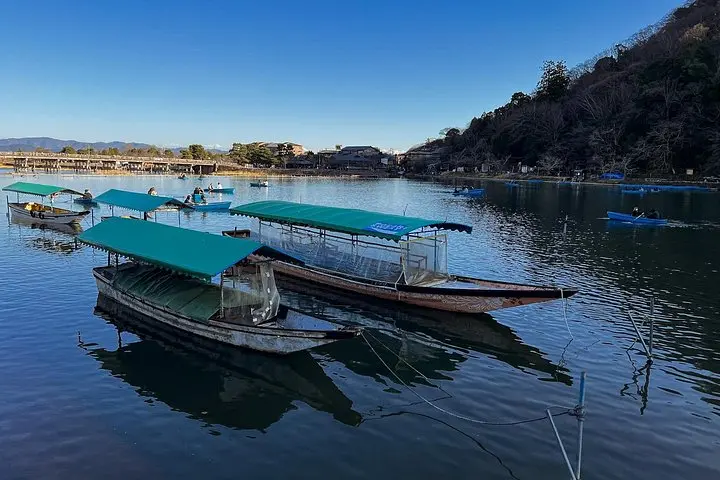
This walking tour threads that grove with nearby viewpoints and riverside landmarks. Arashiyama sits on Kyoto’s western edge where low mountains, the Hozu and Katsura rivers, and centuries-old temples meet. The area grew in prominence during the Heian and Edo periods as a pleasure district for nobles and later became accessible to urban day-trippers once rail reached the suburbs. Geologically the valley is shallow and flanked by volcanic and sedimentary slopes; the rivers have carved the landscape, giving the observation decks open lines to the surrounding peaks.
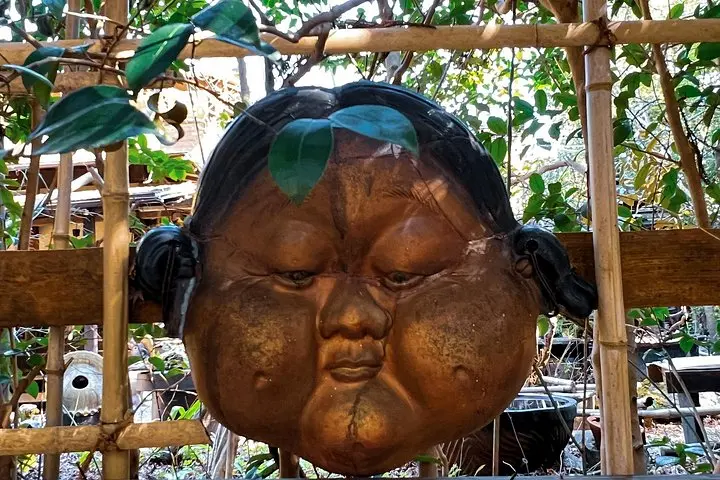
Culturally you’ll pass small shrines, traditional Kyo-Yuzen textile displays, and the Togetsukyo (Moon Crossing) bridge — a local gathering point that frames seasonal change. Expect tactile contrasts: smooth paved paths, packed earth near temple approaches, and a short stair at an observation platform.
Practical guidance: the full route is gentle and suitable for most walkers, but narrow sections and crowds require steady footing and patience. Bring a light rain layer — the bamboo keeps things damp — and a refillable bottle; shops are clustered but not continuous. Aim for early morning to avoid peak tour groups and late-afternoon light for the bridge. Wear comfortable shoes and keep phones secured while photographing; the grove’s magic is best felt at walking pace.
The tour runs about 3–3.5 hours and is classified as easy—mostly flat walking with short stair sections and some narrow paths.
The bamboo grove itself has no admission fee; some nearby temples and observation platforms may charge modest entry fees, which are usually paid on site.
Parts of the route are paved and accessible, but narrow paths and steps at observation points can limit full accessibility—check with the operator for specifics.
Early morning on weekdays offers the least crowded experience; late afternoon light is beautiful but busier, especially on weekends and holidays.
InsideOutJapan operates guided outdoor trips and adventures with an emphasis on safety, stewardship, and memorable experiences.
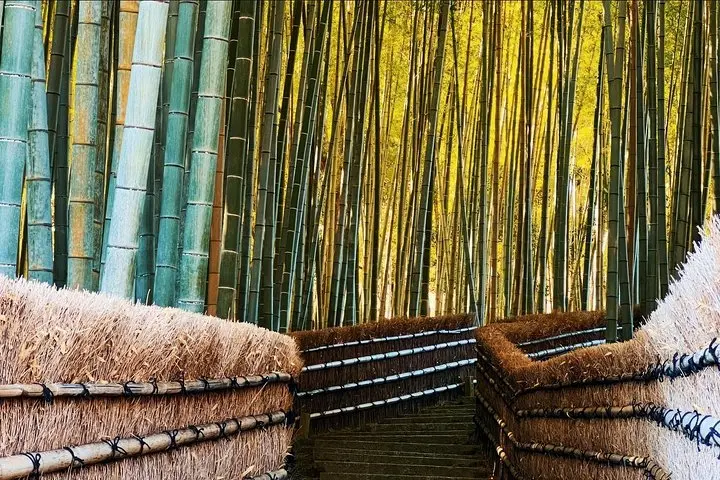
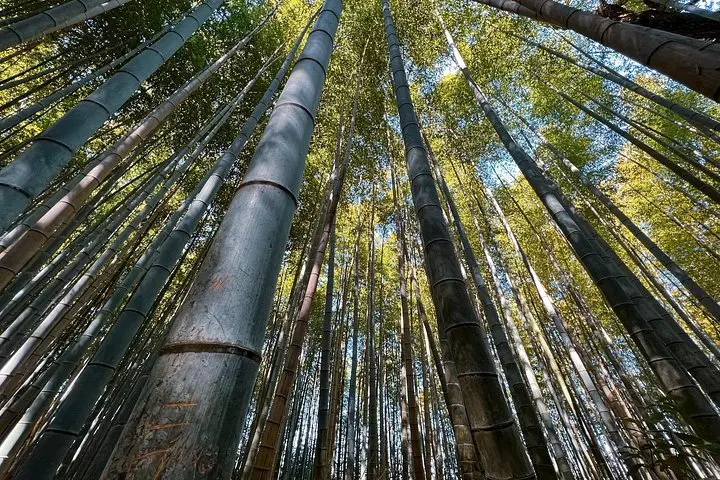
Morning light filters down between towering bamboo stalks as the path narrows and the city’s hum falls away. The Arashiyama bamboo grove opens like a green cathedral: stems sway, shadows move, and the sound of wind through culms seems to urge you forward.
Morning light filters down between towering bamboo stalks as the path narrows and the city’s hum falls away. The Arashiyama bamboo grove opens like a green cathedral: stems sway, shadows move, and the sound of wind through culms seems to urge you forward.
This walking tour threads that grove with nearby viewpoints and riverside landmarks. Arashiyama sits on Kyoto’s western edge where low mountains, the Hozu and Katsura rivers, and centuries-old temples meet. The area grew in prominence during the Heian and Edo periods as a pleasure district for nobles and later became accessible to urban day-trippers once rail reached the suburbs. Geologically the valley is shallow and flanked by volcanic and sedimentary slopes; the rivers have carved the landscape, giving the observation decks open lines to the surrounding peaks.
Culturally you’ll pass small shrines, traditional Kyo-Yuzen textile displays, and the Togetsukyo (Moon Crossing) bridge — a local gathering point that frames seasonal change. Expect tactile contrasts: smooth paved paths, packed earth near temple approaches, and a short stair at an observation platform.
Practical guidance: the full route is gentle and suitable for most walkers, but narrow sections and crowds require steady footing and patience. Bring a light rain layer — the bamboo keeps things damp — and a refillable bottle; shops are clustered but not continuous. Aim for early morning to avoid peak tour groups and late-afternoon light for the bridge. Wear comfortable shoes and keep phones secured while photographing; the grove’s magic is best felt at walking pace.