THE ADVENTURE COLLECTIVE® · Independent discovery and booking for outdoor travel

Experience Arashiyama at its brief autumn peak on a private walking tour that pairs temple gardens and a towering bamboo avenue. Learn the practical route, best times to avoid crowds, and how to prepare for 5.5 hours of crisp, colorful walking.
Experience Arashiyama at its brief autumn peak on a private walking tour that pairs temple gardens and a towering bamboo avenue. Learn the practical route, best times to avoid crowds, and how to prepare for 5.5 hours of crisp, colorful walking.
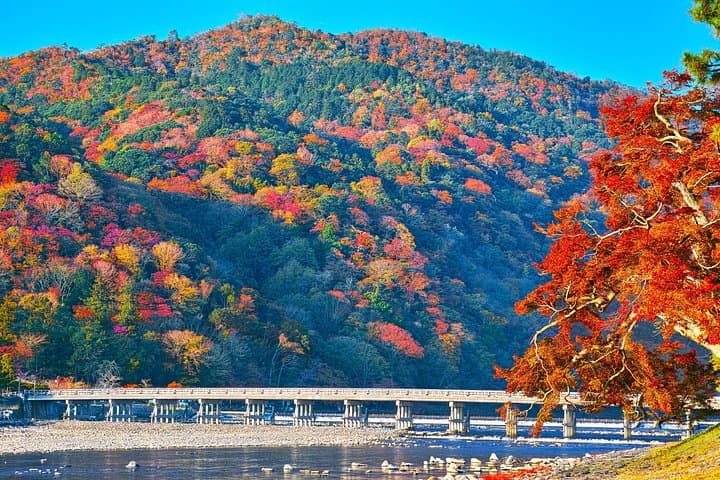
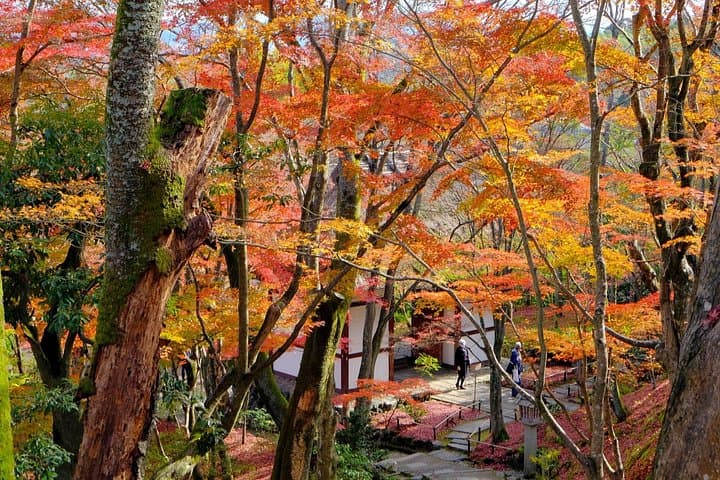
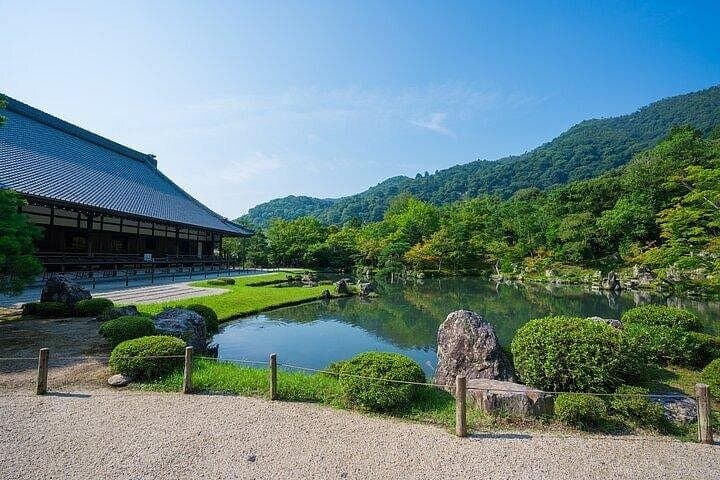
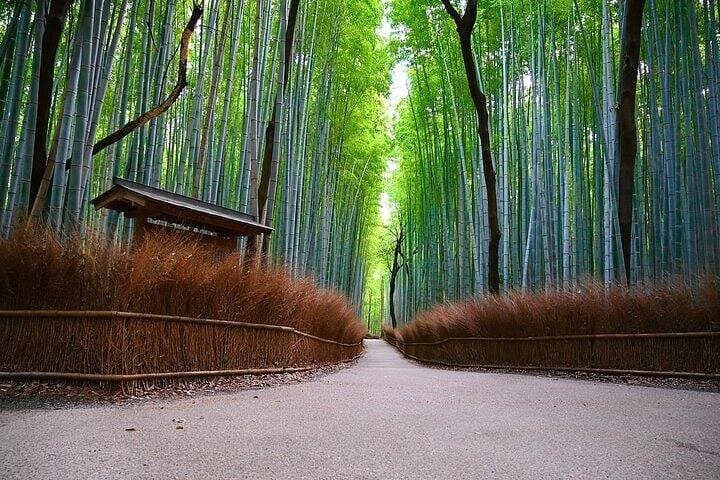
Morning light slips across the Katsura River and the maples seem to dare you to come closer — their leaves flare red and orange and the air smells of leaf litter and distant charcoal from tea houses. A private guide leads a route that threads Jojakko-ji’s hilltop viewpoints, the cool, towering stems of the Bamboo Grove, and Tenryu-ji’s composed Zen garden, each stop arranged to show autumn at its brief, peak hour.
Verified experiences and guided adventures in the surrounding area.
Operated by OTOMO Travel Guide · Kyoto, Kyoto Prefecture
Morning light slips across the Katsura River and the maples seem to dare you to come closer — their leaves flare red and orange and the air smells of leaf litter and distant charcoal from tea houses. A private guide leads a route that threads Jojakko-ji’s hilltop viewpoints, the cool, towering stems of the Bamboo Grove, and Tenryu-ji’s composed Zen garden, each stop arranged to show autumn at its brief, peak hour.
Arashiyama sits where the Katsura River has carved a shallow valley against volcanic foothills; centuries of human care shaped terraces and temple gardens here. Tenryu-ji, founded in the 14th century, anchors the area as a UNESCO site; Togetsukyo Bridge has been framing river views for generations. Local culture is visible in small shops along Arashiyama’s main street and the tea houses that pour warm hospitality into cool afternoons.
Practically, expect roughly 5.5 hours of mostly paved walking with a short uphill at Jojakko-ji and garden paths that can be uneven when covered in leaves. The Bamboo Grove is compact but crowded mid-day — mornings and late afternoons offer softer light and fewer people. Carry small bills: some spots don’t accept cards. The tour is wheelchair-friendly on main routes, but some temple gardens use gravel. Dress in layers, wear sturdy shoes, hydrate, and observe quiet at temple sites; photography is welcome but keep voices low.
This is a sensory stroll — bamboo sways like a slow chorus, and the river presses forward under the bridge — designed to showcase the fleeting choreography of Kyoto’s autumn.
No — entrance fees to gardens and temples are typically not included; guides will indicate costs and most accept cash.
Main routes are wheelchair and stroller accessible, though some temple gardens use gravel paths; confirm special needs when booking.
Mid-late November is the most reliable for peak foliage in Arashiyama, but exact timing varies each year based on temperature and rainfall.
The tour may continue with route adjustments; bring a rain shell and the operator’s cancellation/refund policy applies for severe conditions.
OTOMO Travel Guide operates guided outdoor trips and adventures with an emphasis on safety, stewardship, and memorable experiences.
Morning light slips across the Katsura River and the maples seem to dare you to come closer — their leaves flare red and orange and the air smells of leaf litter and distant charcoal from tea houses. A private guide leads a route that threads Jojakko-ji’s hilltop viewpoints, the cool, towering stems of the Bamboo Grove, and Tenryu-ji’s composed Zen garden, each stop arranged to show autumn at its brief, peak hour.
Morning light slips across the Katsura River and the maples seem to dare you to come closer — their leaves flare red and orange and the air smells of leaf litter and distant charcoal from tea houses. A private guide leads a route that threads Jojakko-ji’s hilltop viewpoints, the cool, towering stems of the Bamboo Grove, and Tenryu-ji’s composed Zen garden, each stop arranged to show autumn at its brief, peak hour.
Arashiyama sits where the Katsura River has carved a shallow valley against volcanic foothills; centuries of human care shaped terraces and temple gardens here. Tenryu-ji, founded in the 14th century, anchors the area as a UNESCO site; Togetsukyo Bridge has been framing river views for generations. Local culture is visible in small shops along Arashiyama’s main street and the tea houses that pour warm hospitality into cool afternoons.
Practically, expect roughly 5.5 hours of mostly paved walking with a short uphill at Jojakko-ji and garden paths that can be uneven when covered in leaves. The Bamboo Grove is compact but crowded mid-day — mornings and late afternoons offer softer light and fewer people. Carry small bills: some spots don’t accept cards. The tour is wheelchair-friendly on main routes, but some temple gardens use gravel. Dress in layers, wear sturdy shoes, hydrate, and observe quiet at temple sites; photography is welcome but keep voices low.
This is a sensory stroll — bamboo sways like a slow chorus, and the river presses forward under the bridge — designed to showcase the fleeting choreography of Kyoto’s autumn.