THE ADVENTURE COLLECTIVE® · Independent discovery and booking for outdoor travel

Walk through towering bamboo, explore Tenryu-ji’s Zen gardens, and cross the historic Togetsu-kyo Bridge on a focused two-hour private tour of Arashiyama. Ideal for first-time visitors who want curated context and quick access to the area’s top sites.
Walk through towering bamboo, explore Tenryu-ji’s Zen gardens, and cross the historic Togetsu-kyo Bridge on a focused two-hour private tour of Arashiyama. Ideal for first-time visitors who want curated context and quick access to the area’s top sites.
A cool morning light filters through towering bamboo stalks as you step away from Saga-Arashiyama Station and into a corridor of green that seems to breathe. The grove narrows and the wind threads the leaves; sound and shade move together, and the river beyond the trees dares you to look further.
Verified experiences and guided adventures in the surrounding area.
Operated by DeepExperience · Kyoto, Kyoto Prefecture
A cool morning light filters through towering bamboo stalks as you step away from Saga-Arashiyama Station and into a corridor of green that seems to breathe. The grove narrows and the wind threads the leaves; sound and shade move together, and the river beyond the trees dares you to look further.
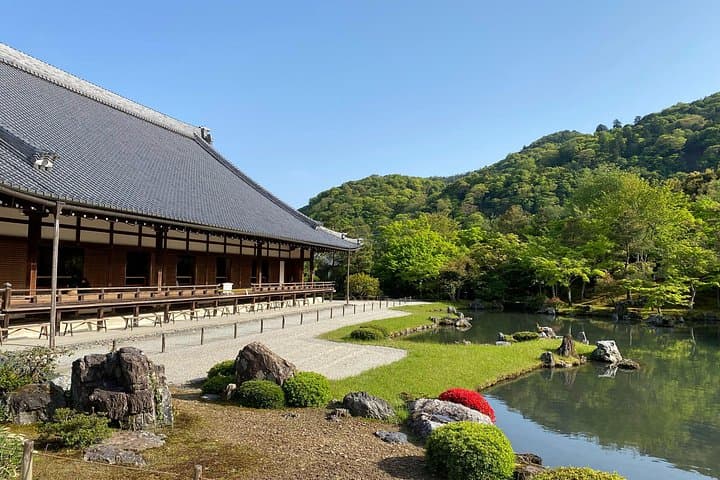
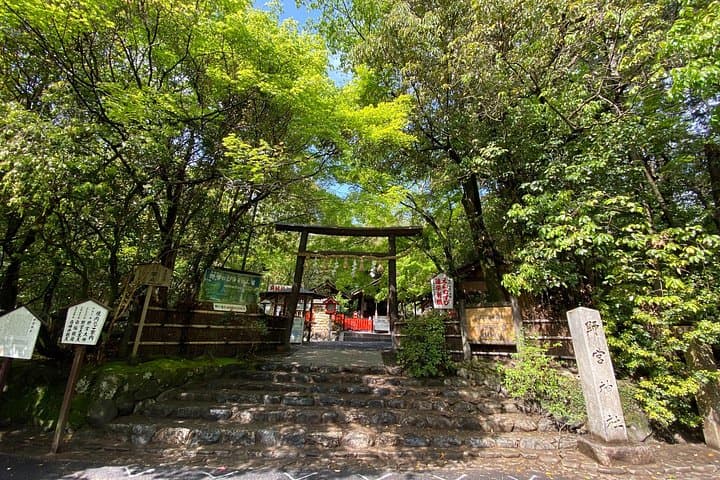
This short, private route threads key cultural sites: the UNESCO-listed Tenryu-ji temple with its restored Zen gardens, the intimate Nonomiya Shrine known from Heian-era ritual, and the graceful Togetsu-kyo Bridge spanning the Hozu River. Geologically, Arashiyama sits on river terraces carved by the Katsura/Hozu system—rocky riverbeds upstream give way to softer alluvial soil here, feeding the fertile valleys that supported Kyoto’s imperial outskirts.
The area has long been a retreat for Kyoto’s aristocracy; the temple gardens were rebuilt in the 14th century and remain a model of Zen landscape design. Local culture is tactile—temple gates, torii, and small wooden plaques—so bring curiosity and quiet manners.
Practical guidance: this private two-hour circuit covers mostly flat, paved paths with short steps at temple entrances; expect 2–3 kilometers of walking depending on stops. Start early to avoid crowds (and the midday coach influx). Wear grippy shoes for slick stones after rain, carry a small umbrella or light rain shell in summer, and keep cash or an IC transit card; some small shrine stalls don’t accept cards. The guide provides English narration and local context, making this compact tour a high-value introduction to Arashiyama’s natural and cultural highlights.
The meeting point is in front of the ticket gate at JR Saga-Arashiyama Station; the tour returns to the same spot.
Yes — the itinerary includes admission to Tenryu-ji for the group portion of the private tour.
Yes — the walk is short and largely flat, suitable for families and older visitors who can walk short distances and manage a few steps.
Within the two-hour window guides typically prioritize the bamboo grove, Tenryu-ji, Nonomiya Shrine, and Togetsu-kyo, but slight adjustments can be made based on mobility or interests.
DeepExperience operates guided outdoor trips and adventures with an emphasis on safety, stewardship, and memorable experiences.
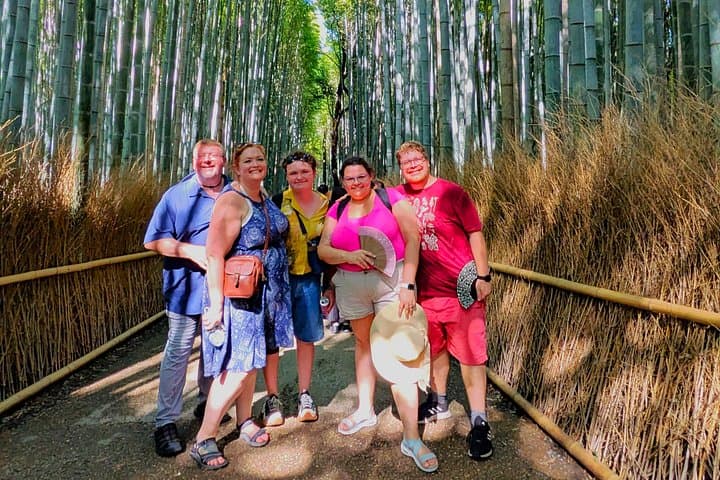
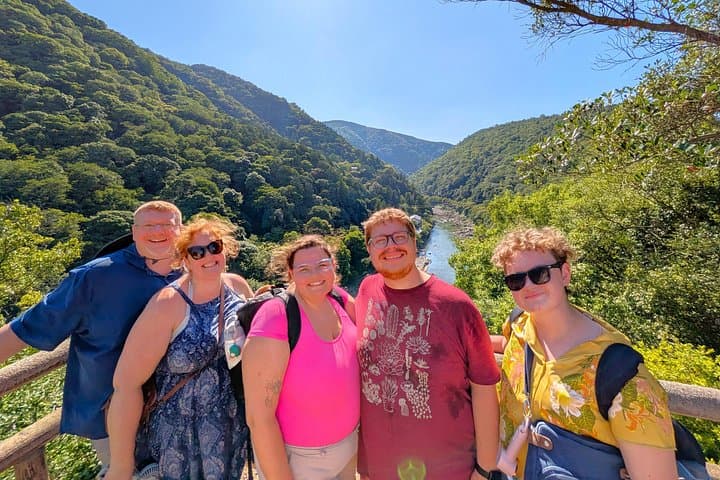
A cool morning light filters through towering bamboo stalks as you step away from Saga-Arashiyama Station and into a corridor of green that seems to breathe. The grove narrows and the wind threads the leaves; sound and shade move together, and the river beyond the trees dares you to look further.
A cool morning light filters through towering bamboo stalks as you step away from Saga-Arashiyama Station and into a corridor of green that seems to breathe. The grove narrows and the wind threads the leaves; sound and shade move together, and the river beyond the trees dares you to look further.
This short, private route threads key cultural sites: the UNESCO-listed Tenryu-ji temple with its restored Zen gardens, the intimate Nonomiya Shrine known from Heian-era ritual, and the graceful Togetsu-kyo Bridge spanning the Hozu River. Geologically, Arashiyama sits on river terraces carved by the Katsura/Hozu system—rocky riverbeds upstream give way to softer alluvial soil here, feeding the fertile valleys that supported Kyoto’s imperial outskirts.
The area has long been a retreat for Kyoto’s aristocracy; the temple gardens were rebuilt in the 14th century and remain a model of Zen landscape design. Local culture is tactile—temple gates, torii, and small wooden plaques—so bring curiosity and quiet manners.
Practical guidance: this private two-hour circuit covers mostly flat, paved paths with short steps at temple entrances; expect 2–3 kilometers of walking depending on stops. Start early to avoid crowds (and the midday coach influx). Wear grippy shoes for slick stones after rain, carry a small umbrella or light rain shell in summer, and keep cash or an IC transit card; some small shrine stalls don’t accept cards. The guide provides English narration and local context, making this compact tour a high-value introduction to Arashiyama’s natural and cultural highlights.