THE ADVENTURE COLLECTIVE® · Independent discovery and booking for outdoor travel

Walk Arashiyama’s bamboo avenues, cross Togetsukyo Bridge, shape a koboshi doll, and end beneath the gilded reflection of Kinkaku-ji on a single full-day tour of western Kyoto. Practical tips and historical context help you move through temples and gardens with ease.
Walk Arashiyama’s bamboo avenues, cross Togetsukyo Bridge, shape a koboshi doll, and end beneath the gilded reflection of Kinkaku-ji on a single full-day tour of western Kyoto. Practical tips and historical context help you move through temples and gardens with ease.
A light mist clings to the Katsura River as the tour assembles outside Kyoto Station; guides hand out JR tickets and a plan for the day, and the city releases you into a quieter, greener side of Kyoto. In Arashiyama the bamboo grove channels wind into a hollowed whisper while Togetsukyo Bridge frames river traffic and distant ridgelines; later, the Golden Pavilion shimmers against still garden ponds, its reflection as deliberate as a brushstroke.
Verified experiences and guided adventures in the surrounding area.
Operated by Snow Monkey Resorts Tours (Machinovate Japan Ltd.) · Kyoto, Kyoto Prefecture
A light mist clings to the Katsura River as the tour assembles outside Kyoto Station; guides hand out JR tickets and a plan for the day, and the city releases you into a quieter, greener side of Kyoto. In Arashiyama the bamboo grove channels wind into a hollowed whisper while Togetsukyo Bridge frames river traffic and distant ridgelines; later, the Golden Pavilion shimmers against still garden ponds, its reflection as deliberate as a brushstroke.
This route stitches together Muromachi- and Ashikaga-era history: Tenryu-ji founded in 1339, Ryoan-ji's spare 15-stone Zen garden, and Kinkaku-ji (Rokuon-ji), the 14th-century Golden Pavilion rebuilt after fire but retaining medieval provenance. Geologically the area sits on low river terraces cut by the Katsura, creating broad floodplains now occupied by temples and tea gardens; the bamboo thrives in the river's moist alluvium and offers cooling shade on hot days.
Culturally you’ll move between quiet contemplation and hands-on craft—koboshi doll-making gives a tactile counterpoint to the gardens’ stillness. Expect paved paths, short stair sections and mostly flat walking with gentle elevation near temple approaches.
Practical guidance: this is an eight-hour tour with train transfers and roughly 5–7 km of walking spread across the day. Wear supportive walking shoes and carry a refillable water bottle; bring cash for small purchases and modest temple entry fees. Peak times—late spring cherry blossom and autumn leaf seasons—get crowded, so start early or plan weekdays for quieter views. Respect temple etiquette, stay on marked routes, and use public transport to minimize your footprint.
Expect about 5–7 km of walking spread over the day with mostly flat terrain and a few short stair sections approaching temple buildings.
The tour includes entrance fees listed in the itinerary; bring small cash for any optional purchases like food or souvenirs.
Yes—physically it’s rated easy, but participants should be able to walk short distances and use stairways; strollers may be difficult in some temple areas.
Guides are English-speaking; check booking details if you need another language service.
Snow Monkey Resorts Tours (Machinovate Japan Ltd.) operates guided outdoor trips and adventures with an emphasis on safety, stewardship, and memorable experiences.
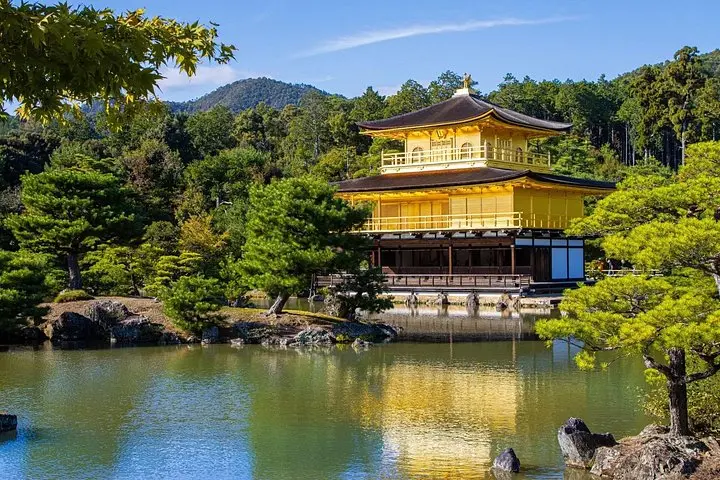
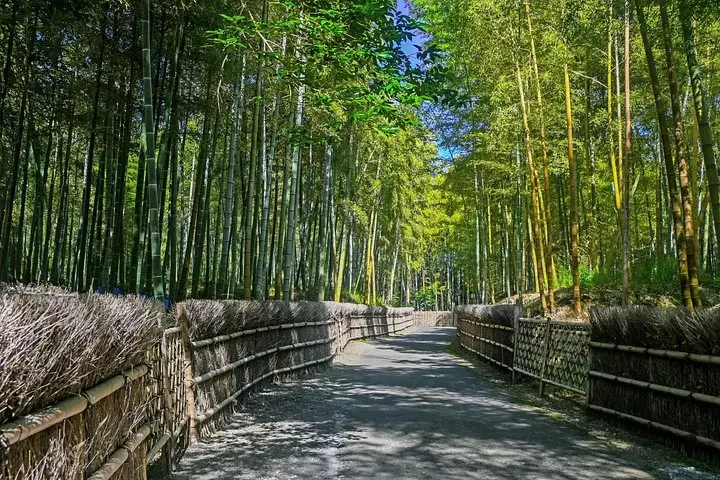
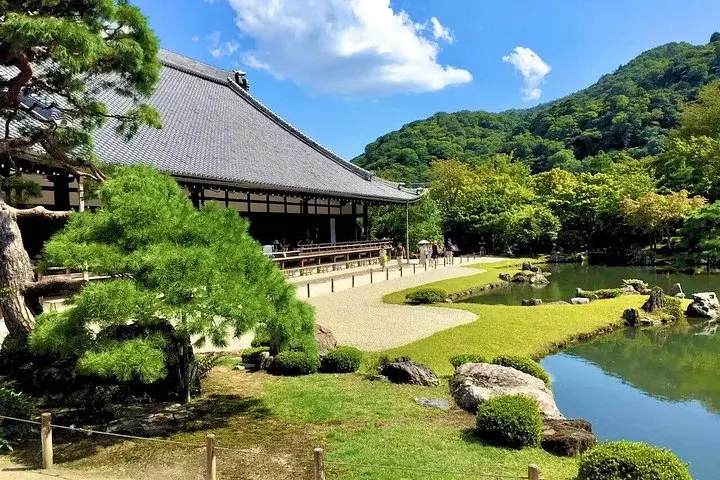
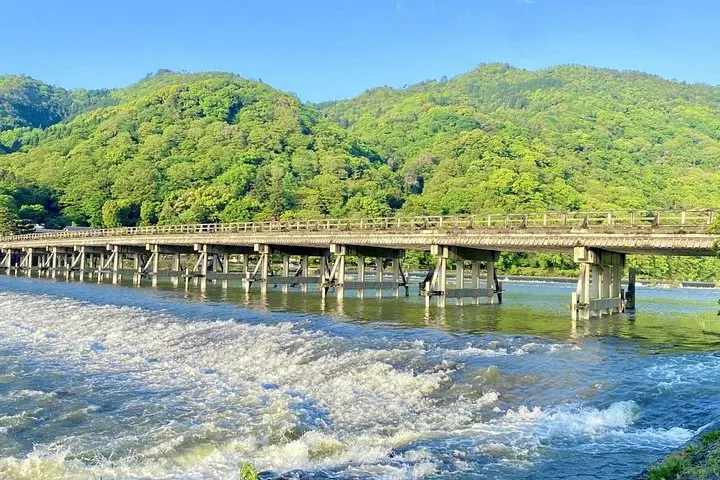
A light mist clings to the Katsura River as the tour assembles outside Kyoto Station; guides hand out JR tickets and a plan for the day, and the city releases you into a quieter, greener side of Kyoto. In Arashiyama the bamboo grove channels wind into a hollowed whisper while Togetsukyo Bridge frames river traffic and distant ridgelines; later, the Golden Pavilion shimmers against still garden ponds, its reflection as deliberate as a brushstroke.
A light mist clings to the Katsura River as the tour assembles outside Kyoto Station; guides hand out JR tickets and a plan for the day, and the city releases you into a quieter, greener side of Kyoto. In Arashiyama the bamboo grove channels wind into a hollowed whisper while Togetsukyo Bridge frames river traffic and distant ridgelines; later, the Golden Pavilion shimmers against still garden ponds, its reflection as deliberate as a brushstroke.
This route stitches together Muromachi- and Ashikaga-era history: Tenryu-ji founded in 1339, Ryoan-ji's spare 15-stone Zen garden, and Kinkaku-ji (Rokuon-ji), the 14th-century Golden Pavilion rebuilt after fire but retaining medieval provenance. Geologically the area sits on low river terraces cut by the Katsura, creating broad floodplains now occupied by temples and tea gardens; the bamboo thrives in the river's moist alluvium and offers cooling shade on hot days.
Culturally you’ll move between quiet contemplation and hands-on craft—koboshi doll-making gives a tactile counterpoint to the gardens’ stillness. Expect paved paths, short stair sections and mostly flat walking with gentle elevation near temple approaches.
Practical guidance: this is an eight-hour tour with train transfers and roughly 5–7 km of walking spread across the day. Wear supportive walking shoes and carry a refillable water bottle; bring cash for small purchases and modest temple entry fees. Peak times—late spring cherry blossom and autumn leaf seasons—get crowded, so start early or plan weekdays for quieter views. Respect temple etiquette, stay on marked routes, and use public transport to minimize your footprint.