THE ADVENTURE COLLECTIVE® · Independent discovery and booking for outdoor travel

A 14-day road-and-flight journey from Mumbai to Goa that pairs UNESCO-listed cave complexes, medieval temple cities and coastal relaxation. Expect long drives, uneven stonework underfoot and vivid, centuries-old architecture.
A 14-day road-and-flight journey from Mumbai to Goa that pairs UNESCO-listed cave complexes, medieval temple cities and coastal relaxation. Expect long drives, uneven stonework underfoot and vivid, centuries-old architecture.
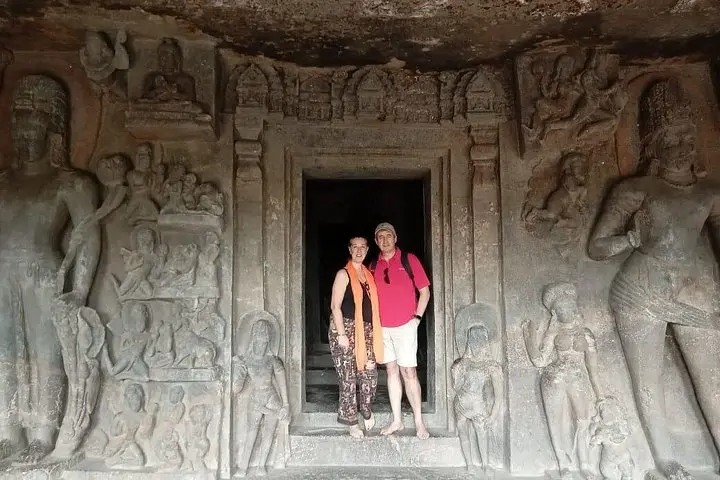
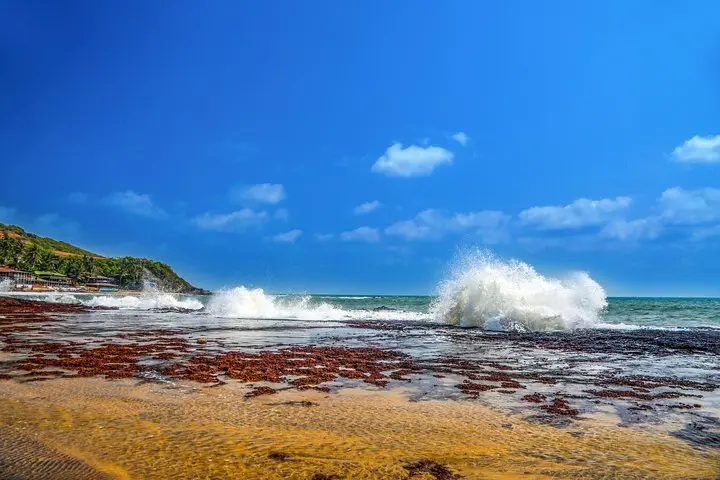
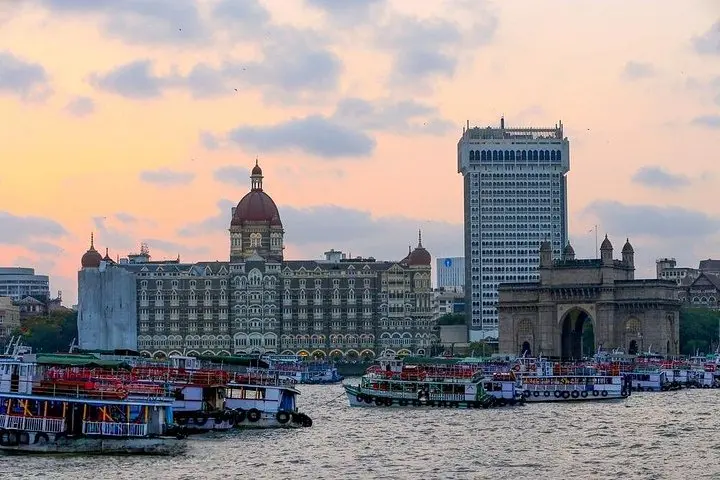
The first light over Mumbai spills across Marine Drive and the city wakes — rickshaws threading alleys, the Gateway of India hovering like an invitation. Over the next two weeks the route shifts from teeming port cities to high rock plateaus and finally to Goa’s warm, wind-scoured shore. Each stop has its own voice: the chisel marks of Ajanta’s painted caves, the monumental carvings at Ellora, and the hulking boulders of Hampi that guard ruins along the Tungabhadra.
Verified experiences and guided adventures in the surrounding area.
Operated by Agora Voyages Pvt. Ltd. · Mumbai, Maharashtra
The first light over Mumbai spills across Marine Drive and the city wakes — rickshaws threading alleys, the Gateway of India hovering like an invitation. Over the next two weeks the route shifts from teeming port cities to high rock plateaus and finally to Goa’s warm, wind-scoured shore. Each stop has its own voice: the chisel marks of Ajanta’s painted caves, the monumental carvings at Ellora, and the hulking boulders of Hampi that guard ruins along the Tungabhadra.
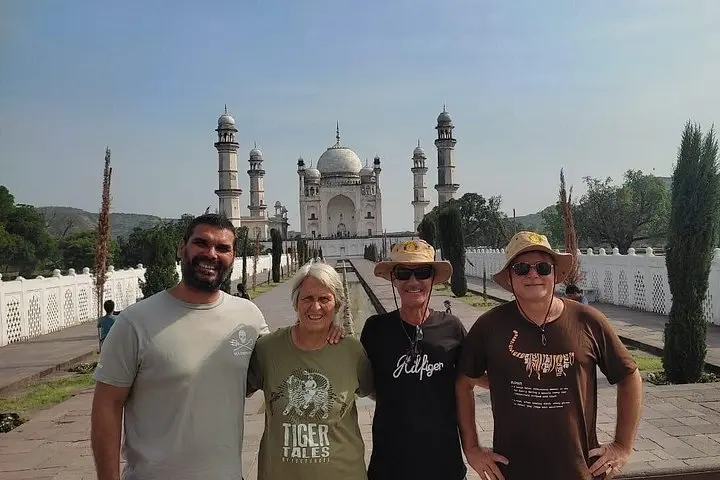
This itinerary threads together centuries of Deccan and coastal history: Buddhist monasteries at Ajanta, multi-faith rock-cut architecture at Ellora, the Qutub Shahi legacy in Hyderabad and the Vijayanagara empire’s stone capital at Hampi. Geologically the Deccan Plateau’s basalt flows created the dramatic boulder fields visitors traverse, while Goa’s laterite and sandy coastlines give way to coconut groves and Portuguese churches like the Basilica of Bom Jesus.
Culturally, expect active temple and church etiquette — modest dress and quiet respect — and lively bazaars selling spice blends and bidri metalwork. Guide-led visits mean skip-the-negotiation logistics, but many sites involve steps and uneven rock.
Practical guidance: plan for long drives and a few short domestic flights; carry a daypack with sun protection, refillable water, and sturdy shoes for uneven ground. Time visits early in the day to avoid heat and crowds at Ajanta, Ellora, and Hampi. Allow slower-moving mornings for temple photography and afternoons for rest on Goa’s beaches. With layered clothing, a willingness to climb stairs and a basic level of mobility, travelers can move confidently between monuments and shoreline, leaving with a clear sense of India’s layered architectural story.
The itinerary includes transfers as per schedule; some intercity flights are used (Mumbai–Aurangabad, Aurangabad–Hyderabad, Hyderabad–Vidyanagar) — confirm which flights are provided when booking.
Yes; the program is rated easy for general fitness but includes stairs, uneven ground and several travel days—discuss mobility needs with the operator ahead of booking.
Monument entrances and local English-speaking guides on sightseeing days are listed as included in the itinerary details.
Modest clothing that covers shoulders and knees is recommended; some sites request footwear removed before entry, so wear shoes that are easy to take off.
Agora Voyages Pvt. Ltd. operates guided outdoor trips and adventures with an emphasis on safety, stewardship, and memorable experiences.
The first light over Mumbai spills across Marine Drive and the city wakes — rickshaws threading alleys, the Gateway of India hovering like an invitation. Over the next two weeks the route shifts from teeming port cities to high rock plateaus and finally to Goa’s warm, wind-scoured shore. Each stop has its own voice: the chisel marks of Ajanta’s painted caves, the monumental carvings at Ellora, and the hulking boulders of Hampi that guard ruins along the Tungabhadra.
The first light over Mumbai spills across Marine Drive and the city wakes — rickshaws threading alleys, the Gateway of India hovering like an invitation. Over the next two weeks the route shifts from teeming port cities to high rock plateaus and finally to Goa’s warm, wind-scoured shore. Each stop has its own voice: the chisel marks of Ajanta’s painted caves, the monumental carvings at Ellora, and the hulking boulders of Hampi that guard ruins along the Tungabhadra.
This itinerary threads together centuries of Deccan and coastal history: Buddhist monasteries at Ajanta, multi-faith rock-cut architecture at Ellora, the Qutub Shahi legacy in Hyderabad and the Vijayanagara empire’s stone capital at Hampi. Geologically the Deccan Plateau’s basalt flows created the dramatic boulder fields visitors traverse, while Goa’s laterite and sandy coastlines give way to coconut groves and Portuguese churches like the Basilica of Bom Jesus.
Culturally, expect active temple and church etiquette — modest dress and quiet respect — and lively bazaars selling spice blends and bidri metalwork. Guide-led visits mean skip-the-negotiation logistics, but many sites involve steps and uneven rock.
Practical guidance: plan for long drives and a few short domestic flights; carry a daypack with sun protection, refillable water, and sturdy shoes for uneven ground. Time visits early in the day to avoid heat and crowds at Ajanta, Ellora, and Hampi. Allow slower-moving mornings for temple photography and afternoons for rest on Goa’s beaches. With layered clothing, a willingness to climb stairs and a basic level of mobility, travelers can move confidently between monuments and shoreline, leaving with a clear sense of India’s layered architectural story.