THE ADVENTURE COLLECTIVE® · Independent discovery and booking for outdoor travel

Explore Yerevan’s architectural timeline on a private 3–4 hour tour that links ancient Erebuni fortress, the manuscript-rich Matenadaran, and the modern St. Gregory Cathedral. Expect comfortable transport, focused stops, and concise historical context.
Explore Yerevan’s architectural timeline on a private 3–4 hour tour that links ancient Erebuni fortress, the manuscript-rich Matenadaran, and the modern St. Gregory Cathedral. Expect comfortable transport, focused stops, and concise historical context.
You arrive on M. Mashtots Street as the city leans into the day: tram tracks hum, fountains gesture toward wide squares, and stone facades wear the pale pink of local tuff like weathered armor. The tour moves at a measured pace—modern Mercedes comfort between stops—so you step out where the city’s long history is most visible: manuscript halls, a newly-built cathedral, and a fortress that predates Rome.
Verified experiences and guided adventures in the surrounding area.
Operated by Amazing Armenia · Yerevan, Yerevan
You arrive on M. Mashtots Street as the city leans into the day: tram tracks hum, fountains gesture toward wide squares, and stone facades wear the pale pink of local tuff like weathered armor. The tour moves at a measured pace—modern Mercedes comfort between stops—so you step out where the city’s long history is most visible: manuscript halls, a newly-built cathedral, and a fortress that predates Rome.
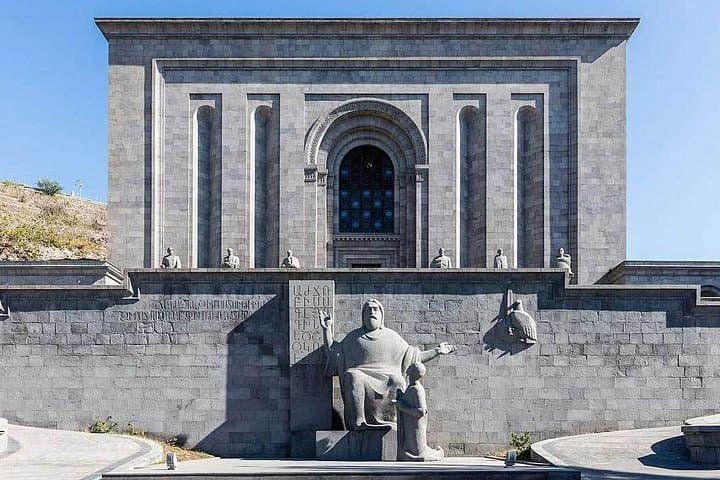
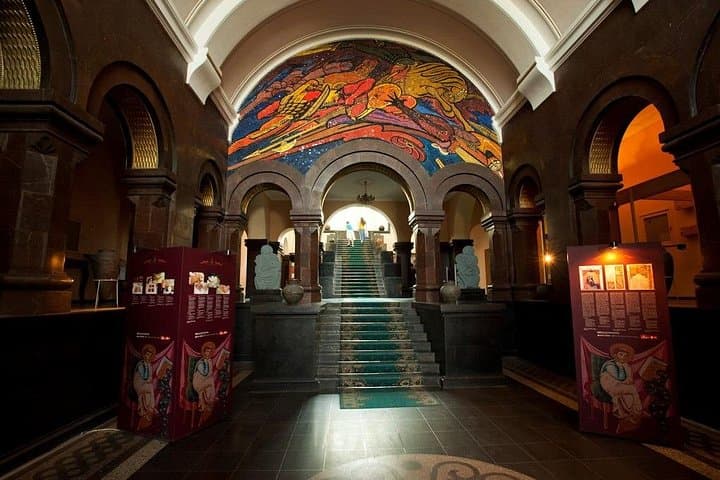
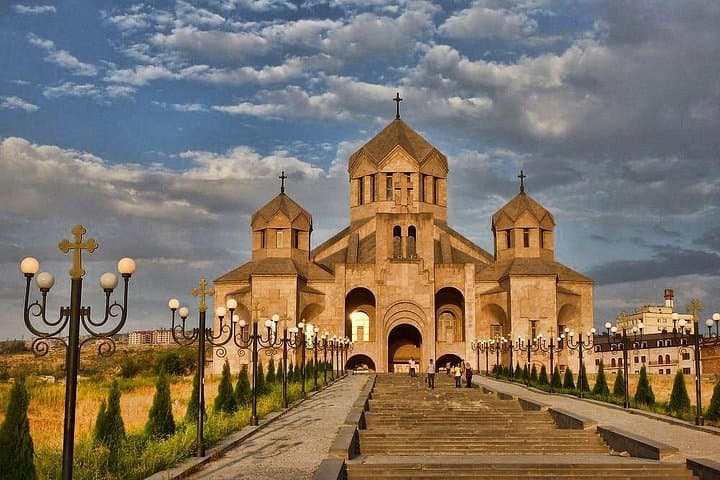
Yerevan’s bones are ancient. Erebuni’s terraces and cuneiform remind visitors this plateau hosted urban life from 782 BC; across town the Matenadaran preserves over 17,000 manuscripts, the quiet library of Armenian memory. St. Gregory’s Cathedral, completed in 2001, introduces contemporary religious architecture and public ceremony to the narrative. The geology beneath the city—volcanic tuff in pink and apricot hues—both shapes local building styles and gives Yerevan its distinctive palette.
Culturally, expect a blend of Soviet-era grids, Ottoman and Persian echoes, and a local café culture that punctuates every plaza. Guides often point out subtle details: khachkar carvings, basalt foundations, and the way façades frame views toward Mount Ararat on clear days—Ararat itself a patient presence, aloof across the border.
Practically, this private 3–4 hour tour suits travelers who want concentrated context without long walks; transportation, bottled water, and onboard Wi‑Fi are typically included. Wear comfortable shoes for stairs at Erebuni and slip-on layers for moving between sunlit squares and cool interiors. Bring a camera, some local currency for small museum fees or tips, and a respectful attitude inside religious sites.
Most private tours include transportation and a guided visit, but specific museum admissions may not be included—confirm with the operator before booking.
Walking is light to moderate—short walks and stair climbs at each stop; transportation covers the longer distances between sites.
Private tours are typically flexible; operators can often adjust stops or timing to suit interests or mobility needs.
Yes—this tour is rated easy and accommodates varied fitness levels, though some archaeological areas have uneven terrain that requires caution.
Amazing Armenia operates guided outdoor trips and adventures with an emphasis on safety, stewardship, and memorable experiences.
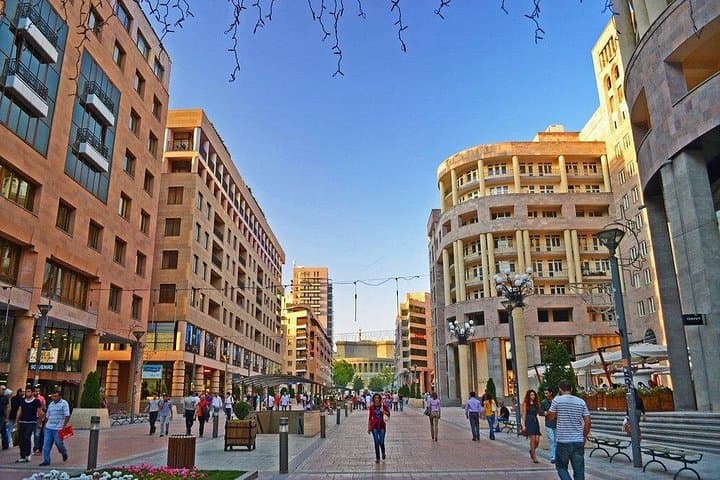
You arrive on M. Mashtots Street as the city leans into the day: tram tracks hum, fountains gesture toward wide squares, and stone facades wear the pale pink of local tuff like weathered armor. The tour moves at a measured pace—modern Mercedes comfort between stops—so you step out where the city’s long history is most visible: manuscript halls, a newly-built cathedral, and a fortress that predates Rome.
You arrive on M. Mashtots Street as the city leans into the day: tram tracks hum, fountains gesture toward wide squares, and stone facades wear the pale pink of local tuff like weathered armor. The tour moves at a measured pace—modern Mercedes comfort between stops—so you step out where the city’s long history is most visible: manuscript halls, a newly-built cathedral, and a fortress that predates Rome.
Yerevan’s bones are ancient. Erebuni’s terraces and cuneiform remind visitors this plateau hosted urban life from 782 BC; across town the Matenadaran preserves over 17,000 manuscripts, the quiet library of Armenian memory. St. Gregory’s Cathedral, completed in 2001, introduces contemporary religious architecture and public ceremony to the narrative. The geology beneath the city—volcanic tuff in pink and apricot hues—both shapes local building styles and gives Yerevan its distinctive palette.
Culturally, expect a blend of Soviet-era grids, Ottoman and Persian echoes, and a local café culture that punctuates every plaza. Guides often point out subtle details: khachkar carvings, basalt foundations, and the way façades frame views toward Mount Ararat on clear days—Ararat itself a patient presence, aloof across the border.
Practically, this private 3–4 hour tour suits travelers who want concentrated context without long walks; transportation, bottled water, and onboard Wi‑Fi are typically included. Wear comfortable shoes for stairs at Erebuni and slip-on layers for moving between sunlit squares and cool interiors. Bring a camera, some local currency for small museum fees or tips, and a respectful attitude inside religious sites.