THE ADVENTURE COLLECTIVE® · Independent discovery and booking for outdoor travel

Drill a hole, wait for a bite and warm up in a Lappish kota where the day’s catch becomes a smoky fish soup. This five-hour winter experience outside Ivalo blends traditional Sámi ice-fishing techniques with hands-on cooking around an open fire.
Drill a hole, wait for a bite and warm up in a Lappish kota where the day’s catch becomes a smoky fish soup. This five-hour winter experience outside Ivalo blends traditional Sámi ice-fishing techniques with hands-on cooking around an open fire.
The first sound is the bite through ice — a hollow, confident crack that seems to confirm the whole lake is awake. Frost flakes underfoot as you walk out from the spruce-line toward the pale blue flat of Rahajärvi; tall birches stand like quiet spectators and a low wind pushes across the frozen surface as if checking your courage. Guides from Xwander hand over thick overalls and rubber boots, then demonstrate the kaira — the auger that carves a round window into winter water. The act is mechanical and intimate: drill, peel, peer. Then the lake answers, sometimes with a sudden tug.
Verified experiences and guided adventures in the surrounding area.
Operated by Xwander Nordic · Ivalo, Lapland
The first sound is the bite through ice — a hollow, confident crack that seems to confirm the whole lake is awake. Frost flakes underfoot as you walk out from the spruce-line toward the pale blue flat of Rahajärvi; tall birches stand like quiet spectators and a low wind pushes across the frozen surface as if checking your courage. Guides from Xwander hand over thick overalls and rubber boots, then demonstrate the kaira — the auger that carves a round window into winter water. The act is mechanical and intimate: drill, peel, peer. Then the lake answers, sometimes with a sudden tug.
This is traditional Lapland ice fishing, taught with a directness that feels as old as the region. The techniques — pilkkiminen (hole fishing), juomustus (under-ice net checks) — are practical rituals born of long winters and thin daylight. The Lappish kota, a cone-shaped tent warmed by fire, provides the other half of the story: after the catch, you gather around a crackling stove, fillet the fish, and learn how to coax soup from the day’s haul. The soup is simple, smoky and almost medicinal against the cold.
Geologically, these lakes are glacial bowls left behind by retreating ice sheets; their clear, mineral-rich water makes for fast, clean fish. Expect local species such as whitefish, pike, perch and burbot — each with a different fighting style and kitchen fate. Culturally, the experience threads Sámi fishing knowledge with contemporary guiding: you get hands-on skills plus context about seasonal patterns and sustainable takes.
Practicalities are straightforward. The trip runs about five hours, with pickup options from Ivalo and a meeting point at Xwander Nordic. All fishing equipment and warm outerwear are provided; guides manage drilling, net checks and basic first aid. Families are welcome — there are sleds and simple games for children — but the Arctic cold requires respect: hypothermia is the real adversary, not the fish.
Tips for planning: book daylight hours in midwinter when visibility is limited but the low sun gilds the ice; charge cameras well — batteries drain fast in cold; layer wool and synthetic baselayers under the provided overalls; and consider the optional tent-sauna or ice swim only after consulting guides. Conservation-minded travelers should follow catch limits and leave the site cleaner than they found it. In short: this is a hands-on, earthy Arctic day where the lake rewards patience, fire warms the group, and a simple bowl of fish soup feels like the apex of an honest, cold day outdoors.
No — guides teach all techniques from drilling to filleting; the activity is designed for beginners and families.
Yes — kids are welcome and can enjoy sledding and kick-sled activities, though guardians should monitor them near open holes.
Yes — Xwander supplies overalls, rubber boots, fishing gear, and cooking equipment; bring personal base layers and gloves.
Common catches include whitefish, pike, perch and burbot; exact species vary with season and lake conditions.
Transfers are included; confirm pickup point when booking and arrive at the meeting spot 15 minutes early.
The tour can be canceled for bad weather or insufficient travelers; cancel at least 24 hours for a full refund per the supplier policy.
Xwander Nordic operates guided outdoor trips and adventures with an emphasis on safety, stewardship, and memorable experiences.
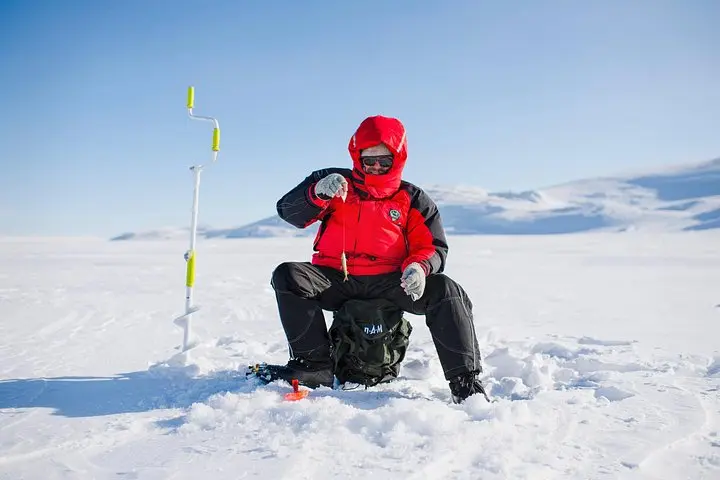
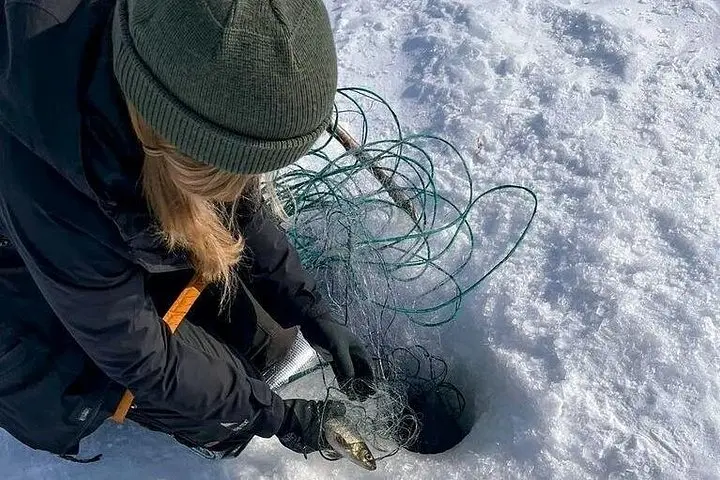
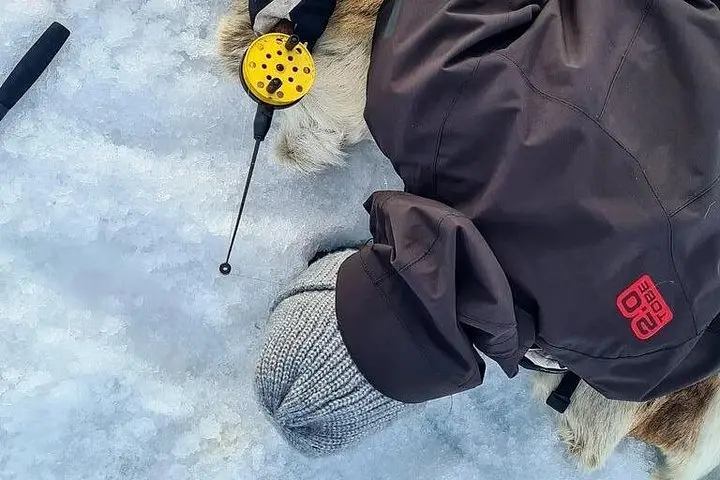
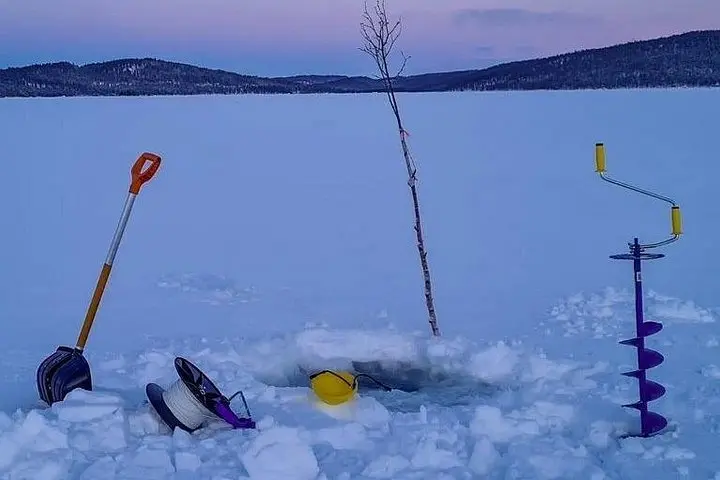
The first sound is the bite through ice — a hollow, confident crack that seems to confirm the whole lake is awake. Frost flakes underfoot as you walk out from the spruce-line toward the pale blue flat of Rahajärvi; tall birches stand like quiet spectators and a low wind pushes across the frozen surface as if checking your courage. Guides from Xwander hand over thick overalls and rubber boots, then demonstrate the kaira — the auger that carves a round window into winter water. The act is mechanical and intimate: drill, peel, peer. Then the lake answers, sometimes with a sudden tug.
The first sound is the bite through ice — a hollow, confident crack that seems to confirm the whole lake is awake. Frost flakes underfoot as you walk out from the spruce-line toward the pale blue flat of Rahajärvi; tall birches stand like quiet spectators and a low wind pushes across the frozen surface as if checking your courage. Guides from Xwander hand over thick overalls and rubber boots, then demonstrate the kaira — the auger that carves a round window into winter water. The act is mechanical and intimate: drill, peel, peer. Then the lake answers, sometimes with a sudden tug.
This is traditional Lapland ice fishing, taught with a directness that feels as old as the region. The techniques — pilkkiminen (hole fishing), juomustus (under-ice net checks) — are practical rituals born of long winters and thin daylight. The Lappish kota, a cone-shaped tent warmed by fire, provides the other half of the story: after the catch, you gather around a crackling stove, fillet the fish, and learn how to coax soup from the day’s haul. The soup is simple, smoky and almost medicinal against the cold.
Geologically, these lakes are glacial bowls left behind by retreating ice sheets; their clear, mineral-rich water makes for fast, clean fish. Expect local species such as whitefish, pike, perch and burbot — each with a different fighting style and kitchen fate. Culturally, the experience threads Sámi fishing knowledge with contemporary guiding: you get hands-on skills plus context about seasonal patterns and sustainable takes.
Practicalities are straightforward. The trip runs about five hours, with pickup options from Ivalo and a meeting point at Xwander Nordic. All fishing equipment and warm outerwear are provided; guides manage drilling, net checks and basic first aid. Families are welcome — there are sleds and simple games for children — but the Arctic cold requires respect: hypothermia is the real adversary, not the fish.
Tips for planning: book daylight hours in midwinter when visibility is limited but the low sun gilds the ice; charge cameras well — batteries drain fast in cold; layer wool and synthetic baselayers under the provided overalls; and consider the optional tent-sauna or ice swim only after consulting guides. Conservation-minded travelers should follow catch limits and leave the site cleaner than they found it. In short: this is a hands-on, earthy Arctic day where the lake rewards patience, fire warms the group, and a simple bowl of fish soup feels like the apex of an honest, cold day outdoors.