THE ADVENTURE COLLECTIVE® · Independent discovery and booking for outdoor travel

Dive beneath Lofoten’s dramatic peaks into cold, clear water where kelp forests host halibut, cod, and jewel-like invertebrates. This guided Arctic scuba experience suits beginners and experienced divers alike, with equipment rental and transfers included.
Dive beneath Lofoten’s dramatic peaks into cold, clear water where kelp forests host halibut, cod, and jewel-like invertebrates. This guided Arctic scuba experience suits beginners and experienced divers alike, with equipment rental and transfers included.
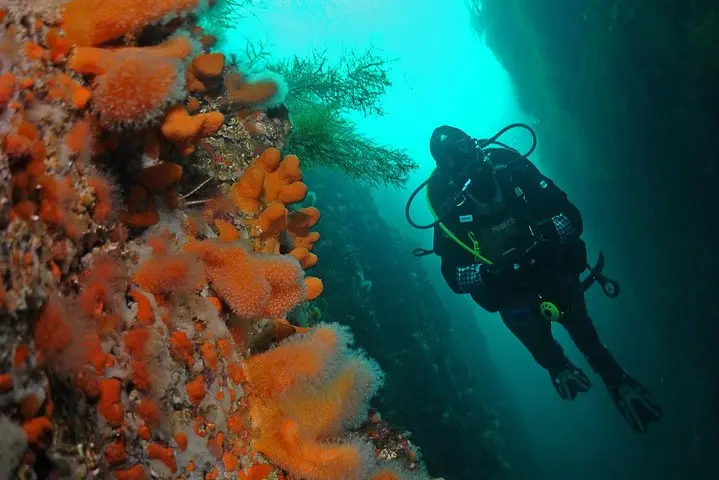
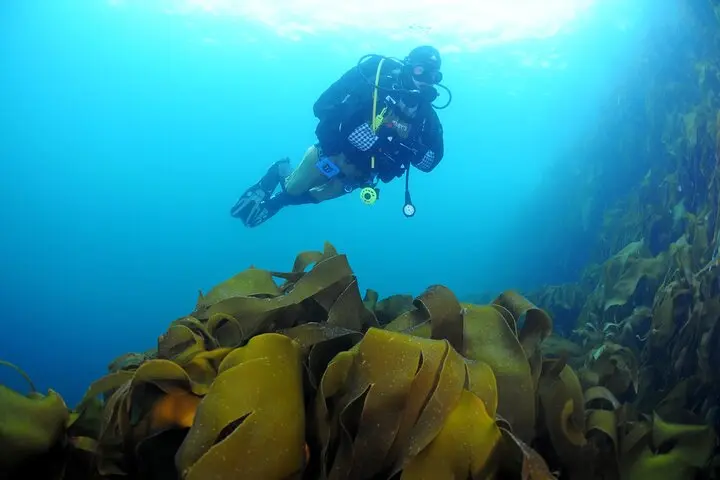
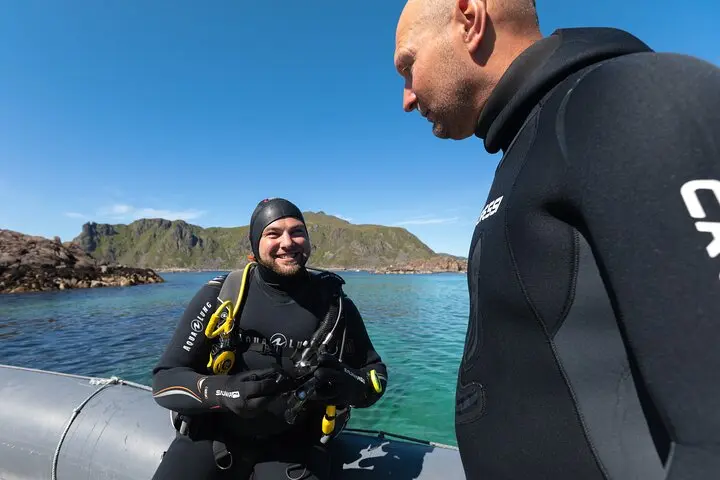
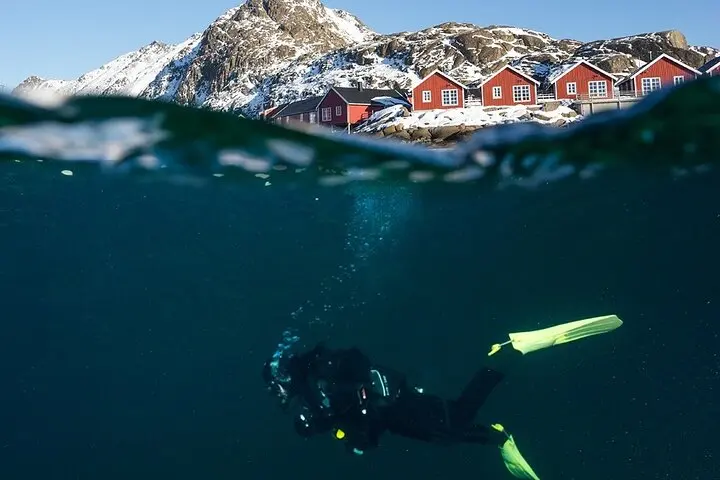
You step off the RIB and the air tastes like iron and sea. Around you the jagged silhouettes of Lofoten rise from glassy water; beneath the surface, a forest of kelp sways and a pale cod drifts through shafts of filtered daylight. This is Arctic scuba on the Lofoten archipelago: close, raw and quietly alive.
Verified experiences and guided adventures in the surrounding area.
Operated by Lofoten Diving · Svolvær, Nordland
You step off the RIB and the air tastes like iron and sea. Around you the jagged silhouettes of Lofoten rise from glassy water; beneath the surface, a forest of kelp sways and a pale cod drifts through shafts of filtered daylight. This is Arctic scuba on the Lofoten archipelago: close, raw and quietly alive.
The islands have been a fishing landscape for millennia—Viking boats once threaded these same fjords—and the geology is old, tilted gneiss carved by glaciation that sculpts steep fjords and protected bays where kelp and algae thrive. Local villages like Svolvær and Henningsvær still pulse with cod-season rhythms; modern dive outfits work with that maritime culture to offer low-impact access to underwater life.
Expect cool, clear water, dense kelp canopies, and encounters with species adapted to high-latitude seas: halibut, cod, starfish and occasional jellyfish blooms. Dive sites are chosen for shelter from swell and visibility; operators tailor the day for skill level—one guided dive or a two-dive day is common, with equipment rental and a short transfer to the site included.
Practical guidance: wear a drysuit and thermal undergarments, check weight requirements and fitness restrictions, and arrive early for briefing and kit fitting. Hydrate and layer for surface chill; surfacing in an Arctic wind is a sharper shock than the dive itself. Book with a certified operator, confirm certification or try an introductory snorkel option if you’re not certified, and leave no trace—underwater or on shore.
Certified divers can join guided dives; many operators also offer introductory experiences or snorkeling trips for non-certified guests—check booking details.
Surface and dive temperatures typically range from near freezing up to about 8°C (46°F) in summer—drysuits and thermal protection are standard.
Most packages include basic rental gear and transfer to the dive site; confirm specifics like regulators, BCs, and drysuit availability when you book.
Yes—operators tailor programs to skill levels and run supervised shallow dives for beginners, while deeper or drift dives target experienced divers.
Lofoten Diving operates guided outdoor trips and adventures with an emphasis on safety, stewardship, and memorable experiences.
You step off the RIB and the air tastes like iron and sea. Around you the jagged silhouettes of Lofoten rise from glassy water; beneath the surface, a forest of kelp sways and a pale cod drifts through shafts of filtered daylight. This is Arctic scuba on the Lofoten archipelago: close, raw and quietly alive.
You step off the RIB and the air tastes like iron and sea. Around you the jagged silhouettes of Lofoten rise from glassy water; beneath the surface, a forest of kelp sways and a pale cod drifts through shafts of filtered daylight. This is Arctic scuba on the Lofoten archipelago: close, raw and quietly alive.
The islands have been a fishing landscape for millennia—Viking boats once threaded these same fjords—and the geology is old, tilted gneiss carved by glaciation that sculpts steep fjords and protected bays where kelp and algae thrive. Local villages like Svolvær and Henningsvær still pulse with cod-season rhythms; modern dive outfits work with that maritime culture to offer low-impact access to underwater life.
Expect cool, clear water, dense kelp canopies, and encounters with species adapted to high-latitude seas: halibut, cod, starfish and occasional jellyfish blooms. Dive sites are chosen for shelter from swell and visibility; operators tailor the day for skill level—one guided dive or a two-dive day is common, with equipment rental and a short transfer to the site included.
Practical guidance: wear a drysuit and thermal undergarments, check weight requirements and fitness restrictions, and arrive early for briefing and kit fitting. Hydrate and layer for surface chill; surfacing in an Arctic wind is a sharper shock than the dive itself. Book with a certified operator, confirm certification or try an introductory snorkel option if you’re not certified, and leave no trace—underwater or on shore.