THE ADVENTURE COLLECTIVE® · Independent discovery and booking for outdoor travel

A full-day outing from Arequipa that pairs a short scramble to a cool highland waterfall with the otherworldly rock towers of Imata’s stone forest. Expect high-elevation chill, volcanic terrain and strong photographic opportunities.
A full-day outing from Arequipa that pairs a short scramble to a cool highland waterfall with the otherworldly rock towers of Imata’s stone forest. Expect high-elevation chill, volcanic terrain and strong photographic opportunities.
Before dawn the van eases out of Arequipa and the Andes opens like a weathered map—volcanic ridges and broad puna stretching toward a high, bright sky. By mid-morning the air bites; travelers tighten jackets and step where a thin river dares them forward. The approach to Pillones requires a careful scramble down rock slopes and a river-side walk before the waterfall reveals itself: a cool curtain of water that has carved small pockets in the volcanic bed.
Verified experiences and guided adventures in the surrounding area.
Operated by Turismo Liberty Perú · Arequipa, Arequipa
Before dawn the van eases out of Arequipa and the Andes opens like a weathered map—volcanic ridges and broad puna stretching toward a high, bright sky. By mid-morning the air bites; travelers tighten jackets and step where a thin river dares them forward. The approach to Pillones requires a careful scramble down rock slopes and a river-side walk before the waterfall reveals itself: a cool curtain of water that has carved small pockets in the volcanic bed.
The route threads through high Andean pasture and past settlements like Pampa de Arrieros—an old rail gateway for people and goods heading to the “White City.” Geologically the stone forest at Imata is striking: wind- and water-eroded tuff and volcanic ash sculpted into spires, arches and hoodoos over millennia. Local campesino culture remains visible in roadside corrals and grazing llamas; guides often point out how traditional grazing patterns shaped the grasslands you walk.
Practical side: expect high-elevation chill (dress in layers), uneven volcanic footing, and brief steep descents that reward careful footing with views and photo opportunities. The full-day loop runs about 9–11 hours door to door from Arequipa, with moderate walking on rocky terrain and brief river crossings. Bring water, windproof layers, and sturdy shoes; plan for limited services on-site and a return to town by early evening. For photographers, morning light accentuates the stone forest’s textures; late-afternoon trips soften contrast for landscape shots. The day balances easy access with raw highland scenery—an accessible slice of Arequipa’s volcanic highlands for hikers who want striking geology without multi-day commitment.
Transfers take about 1.5–2 hours each way depending on road and stops; the full tour is a door-to-door day trip (about 9–11 hours).
Moderate mobility is required—children and seniors can attend if comfortable with uneven footing and a careful descent to the waterfall; infants must sit on laps on the transfer vehicle.
The area sits at high elevation; mild symptoms are possible—acclimatize in Arequipa, hydrate, avoid alcohol before the trip, and inform guides of any history of altitude issues.
Services are limited near Pillones and Imata; the tour typically includes a stop in small towns for snacks but bring your own water and energy food for the trek.
Turismo Liberty Perú operates guided outdoor trips and adventures with an emphasis on safety, stewardship, and memorable experiences.
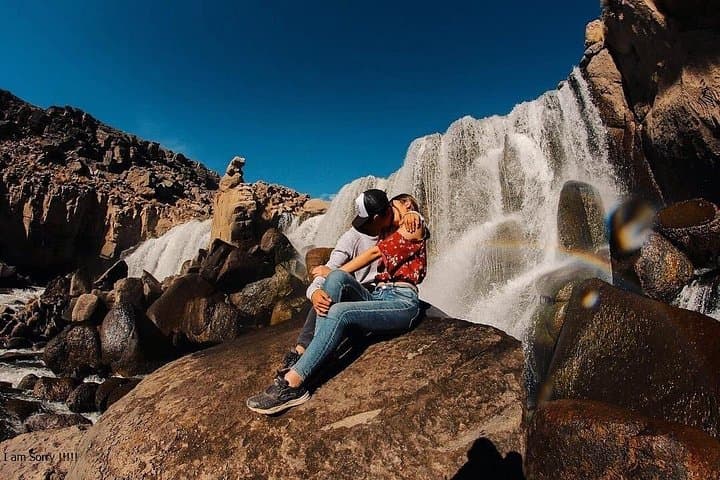


Before dawn the van eases out of Arequipa and the Andes opens like a weathered map—volcanic ridges and broad puna stretching toward a high, bright sky. By mid-morning the air bites; travelers tighten jackets and step where a thin river dares them forward. The approach to Pillones requires a careful scramble down rock slopes and a river-side walk before the waterfall reveals itself: a cool curtain of water that has carved small pockets in the volcanic bed.
Before dawn the van eases out of Arequipa and the Andes opens like a weathered map—volcanic ridges and broad puna stretching toward a high, bright sky. By mid-morning the air bites; travelers tighten jackets and step where a thin river dares them forward. The approach to Pillones requires a careful scramble down rock slopes and a river-side walk before the waterfall reveals itself: a cool curtain of water that has carved small pockets in the volcanic bed.
The route threads through high Andean pasture and past settlements like Pampa de Arrieros—an old rail gateway for people and goods heading to the “White City.” Geologically the stone forest at Imata is striking: wind- and water-eroded tuff and volcanic ash sculpted into spires, arches and hoodoos over millennia. Local campesino culture remains visible in roadside corrals and grazing llamas; guides often point out how traditional grazing patterns shaped the grasslands you walk.
Practical side: expect high-elevation chill (dress in layers), uneven volcanic footing, and brief steep descents that reward careful footing with views and photo opportunities. The full-day loop runs about 9–11 hours door to door from Arequipa, with moderate walking on rocky terrain and brief river crossings. Bring water, windproof layers, and sturdy shoes; plan for limited services on-site and a return to town by early evening. For photographers, morning light accentuates the stone forest’s textures; late-afternoon trips soften contrast for landscape shots. The day balances easy access with raw highland scenery—an accessible slice of Arequipa’s volcanic highlands for hikers who want striking geology without multi-day commitment.