THE ADVENTURE COLLECTIVE® · Independent discovery and booking for outdoor travel

A compact, small-group tour that pairs sweeping volcano viewpoints with historic colonial streets and the cloistered world of Santa Catalina Monastery. Expect cobbles, crafts, camelids and clear highland air.
A compact, small-group tour that pairs sweeping volcano viewpoints with historic colonial streets and the cloistered world of Santa Catalina Monastery. Expect cobbles, crafts, camelids and clear highland air.
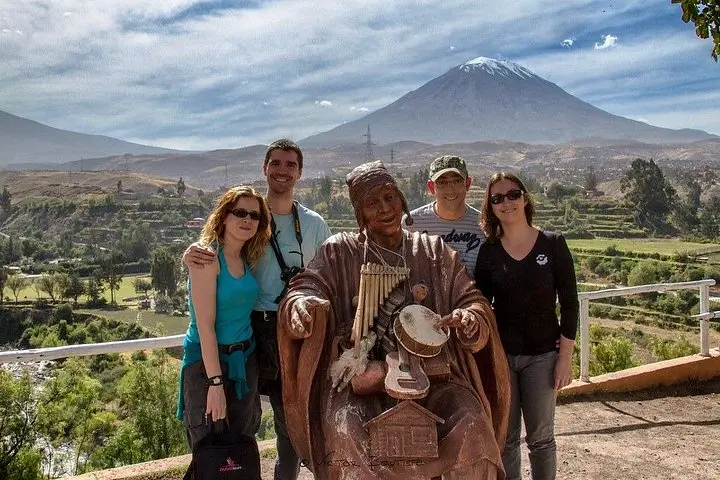
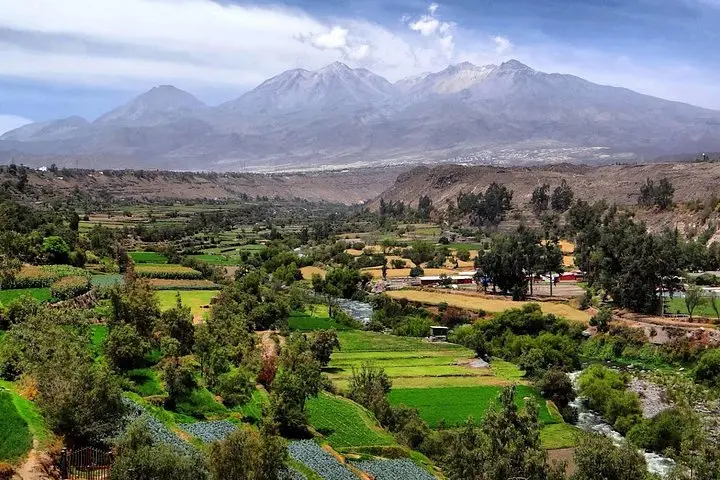
Standing at the Carmen Alto viewpoint, the city of Arequipa unfolds below with lines of white sillar stone and a ring of snow-dusted volcanoes — Misti, Chachani and Pichu Pichu — holding the skyline like watchful giants.
Verified experiences and guided adventures in the surrounding area.
Operated by arequipayfreetours · Arequipa, Arequipa
Standing at the Carmen Alto viewpoint, the city of Arequipa unfolds below with lines of white sillar stone and a ring of snow-dusted volcanoes — Misti, Chachani and Pichu Pichu — holding the skyline like watchful giants.
The short tour threads through 18th- and 19th-century neighborhoods: cobbled alleys, colonial portals marked by poets and revolutionaries, and the English-style Casona Ricketts. A stop at a neighborhood bakery offers the chance to taste a regional sweet while you take in mestizo church facades that blend indigenous and Spanish craft.
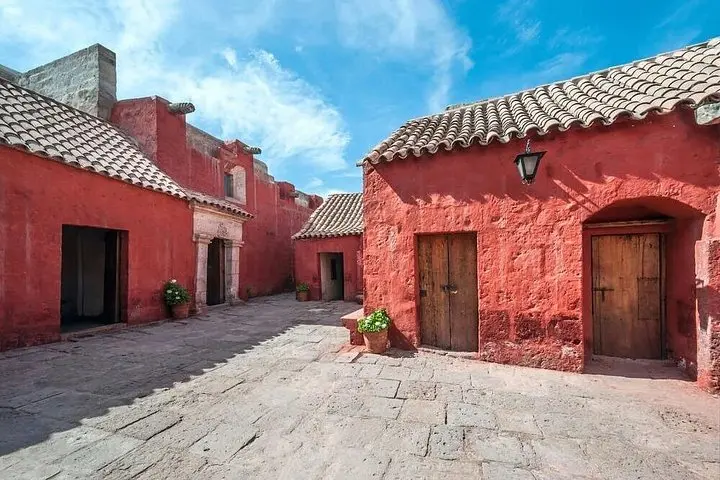
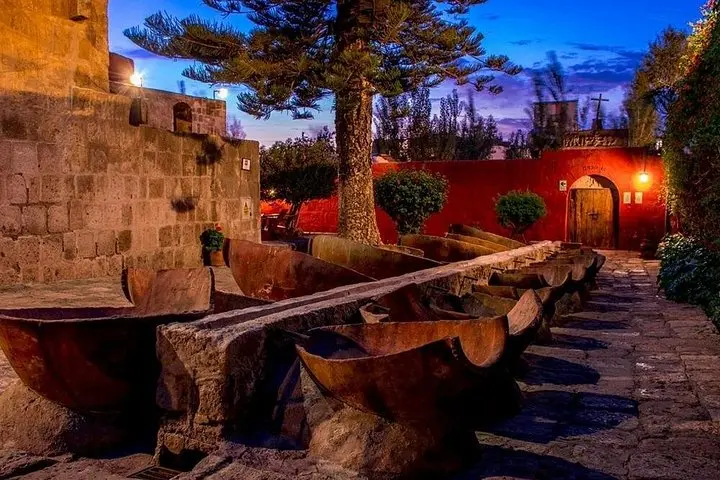
Geology shapes the city: local volcanic tuff (sillar) gives buildings their pale, honeyed color. At a mini camelid enclosure you’ll meet alpacas and llamas and watch ancestral backstrap weaving — a living craft still woven into Arequipa’s economy. The route finishes in the Monastery of Santa Catalina, a cloistered “city within a city” founded in the late 16th century where brightly painted streets, quiet cells and convent workshops trace the life of wealthy, cloistered nuns.
Practical guidance: the tour runs about 140 minutes in a small group (max ~7), with short walks on uneven, cobbled streets at roughly 2,300–2,400 m elevation. Bring sun protection, a refillable water bottle and comfortable footwear; move slowly if you’re newly arrived at altitude. Carry small bills for artisan goods and respect the monastery’s rules—no loud photography in certain rooms and modest dress is required. The experience pairs cultural context with clear, elevated views — ideal for travelers who want compact immersion in Arequipa’s history and landscape.
The itinerary runs about 140 minutes (roughly 2–2.5 hours) and includes multiple short stops and a one-hour visit to Santa Catalina.
Yes — entrance to the Carmen Alto viewpoint and the Santa Catalina Monastery are included in this tour.
The tour involves walking on uneven, cobbled streets and steps inside the monastery; it’s rated easy but not wheelchair-accessible and may be challenging for those with significant mobility limitations.
Pickup options vary by operator; public transportation is available nearby and your booking confirmation will list pickup or meeting point details.
arequipayfreetours operates guided outdoor trips and adventures with an emphasis on safety, stewardship, and memorable experiences.
Standing at the Carmen Alto viewpoint, the city of Arequipa unfolds below with lines of white sillar stone and a ring of snow-dusted volcanoes — Misti, Chachani and Pichu Pichu — holding the skyline like watchful giants.
Standing at the Carmen Alto viewpoint, the city of Arequipa unfolds below with lines of white sillar stone and a ring of snow-dusted volcanoes — Misti, Chachani and Pichu Pichu — holding the skyline like watchful giants.
The short tour threads through 18th- and 19th-century neighborhoods: cobbled alleys, colonial portals marked by poets and revolutionaries, and the English-style Casona Ricketts. A stop at a neighborhood bakery offers the chance to taste a regional sweet while you take in mestizo church facades that blend indigenous and Spanish craft.
Geology shapes the city: local volcanic tuff (sillar) gives buildings their pale, honeyed color. At a mini camelid enclosure you’ll meet alpacas and llamas and watch ancestral backstrap weaving — a living craft still woven into Arequipa’s economy. The route finishes in the Monastery of Santa Catalina, a cloistered “city within a city” founded in the late 16th century where brightly painted streets, quiet cells and convent workshops trace the life of wealthy, cloistered nuns.
Practical guidance: the tour runs about 140 minutes in a small group (max ~7), with short walks on uneven, cobbled streets at roughly 2,300–2,400 m elevation. Bring sun protection, a refillable water bottle and comfortable footwear; move slowly if you’re newly arrived at altitude. Carry small bills for artisan goods and respect the monastery’s rules—no loud photography in certain rooms and modest dress is required. The experience pairs cultural context with clear, elevated views — ideal for travelers who want compact immersion in Arequipa’s history and landscape.