THE ADVENTURE COLLECTIVE® · Independent discovery and booking for outdoor travel

A compact, two-day private circuit from Athens that connects the cyclopean ruins of Mycenae, a view over the Corinth Canal, and the low-lying sanctuary of ancient Olympia. Expect driving between sites with short walks on uneven stone and rich historical context at every stop.
A compact, two-day private circuit from Athens that connects the cyclopean ruins of Mycenae, a view over the Corinth Canal, and the low-lying sanctuary of ancient Olympia. Expect driving between sites with short walks on uneven stone and rich historical context at every stop.
Drive out of Athens and feel the city loosen its grip: the highway opens onto scrubby hills that push the sky wide, and the Corinth Canal slices a blue seam through rock as you stop for the first view.
Verified experiences and guided adventures in the surrounding area.
Operated by Athens Royal Trip · Athens, Attica
Drive out of Athens and feel the city loosen its grip: the highway opens onto scrubby hills that push the sky wide, and the Corinth Canal slices a blue seam through rock as you stop for the first view.
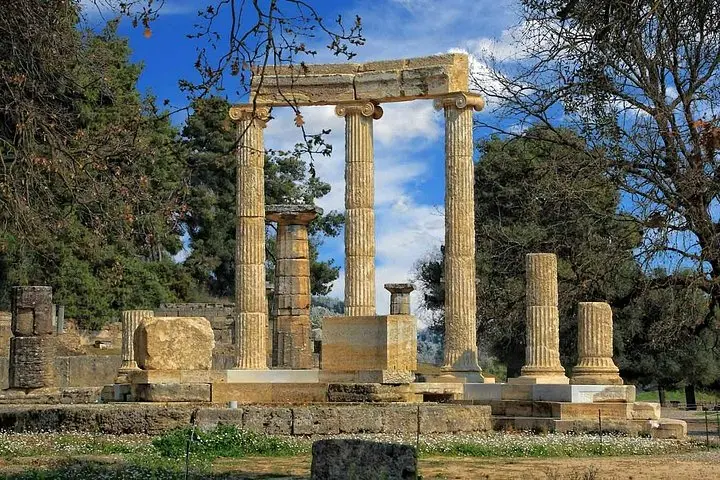
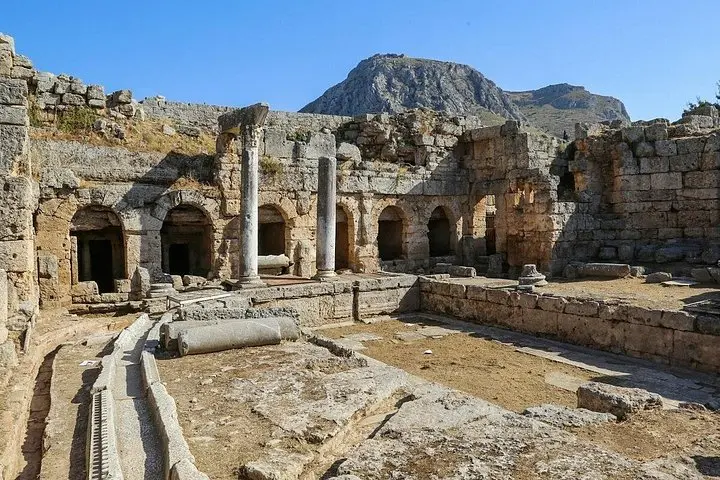
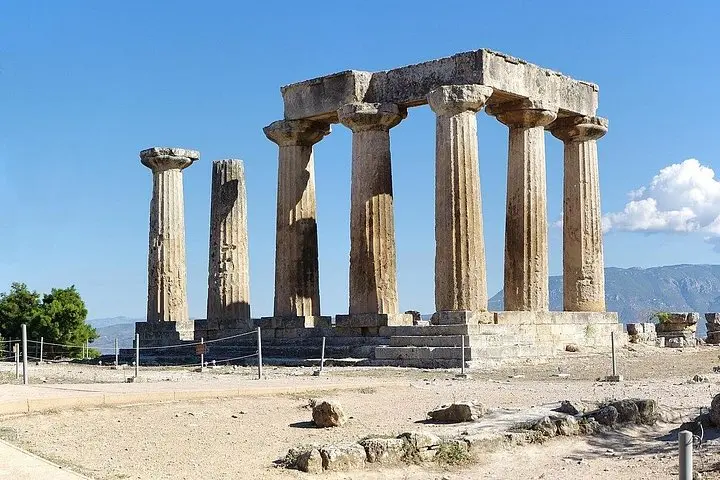
Over two days the route stitches together Bronze Age palaces, Roman roads and the low-lying sanctuaries where pan-Hellenic games began. Walk on uneven stone at Mycenae — the Lion Gate and Treasury of Atreus hold the weight of millennia in massive Cyclopean masonry — then pass through small Peloponnese villages where olive groves lean into the light like old hands. Olympia spreads along a river plain; the stadium and temples sit on softer ground, a deliberate contrast to the craggy outcrops of Argolis.
Geology here moves from limestone cliffs and karst around Corinth to alluvial flats at Olympia, so expect quick shifts in terrain and microclimate. Culture sits close to the road: neoclassical Nafplio, local taverna cooking and vineyard plots around Nemea speak to centuries of continuous rural life.
Practical guidance: the tour is mostly driving with short walks — plan on 1–2 km of walking per site on uneven, often slippery stone, with modest elevation changes (typically under 150 m, but stairs at some ruins). Bring sturdy walking shoes, a refillable water bottle, sun protection and a light daypack. Start early to avoid heat and crowds; most classical sites close by late afternoon. The tour includes private transport and a driver; check whether archaeological site entry fees are included before you book. Move deliberately and stay on marked paths — these sites are fragile, and your footsteps matter.
Not always—confirm with the operator before booking; many private tours exclude national archaeological site and museum tickets.
Most departures begin in Athens with hotel pickup available; specify your pickup location when you book.
See above
Meals are typically not included; the itinerary allows stops at tavernas and small restaurants where you can sample regional dishes.
Athens Royal Trip operates guided outdoor trips and adventures with an emphasis on safety, stewardship, and memorable experiences.
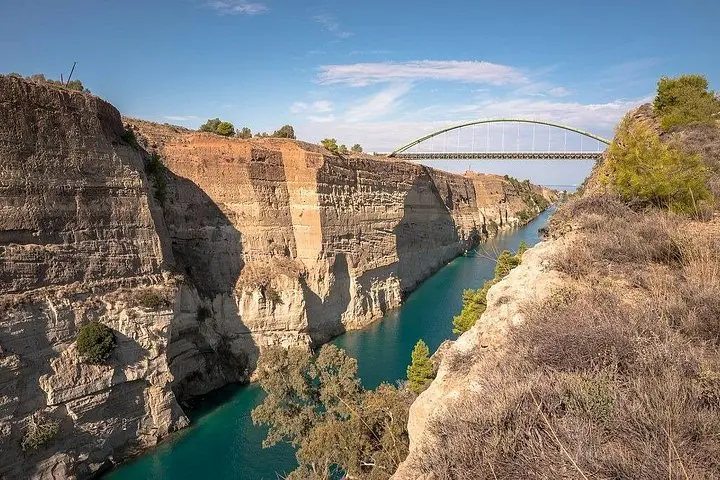
Drive out of Athens and feel the city loosen its grip: the highway opens onto scrubby hills that push the sky wide, and the Corinth Canal slices a blue seam through rock as you stop for the first view.
Drive out of Athens and feel the city loosen its grip: the highway opens onto scrubby hills that push the sky wide, and the Corinth Canal slices a blue seam through rock as you stop for the first view.
Over two days the route stitches together Bronze Age palaces, Roman roads and the low-lying sanctuaries where pan-Hellenic games began. Walk on uneven stone at Mycenae — the Lion Gate and Treasury of Atreus hold the weight of millennia in massive Cyclopean masonry — then pass through small Peloponnese villages where olive groves lean into the light like old hands. Olympia spreads along a river plain; the stadium and temples sit on softer ground, a deliberate contrast to the craggy outcrops of Argolis.
Geology here moves from limestone cliffs and karst around Corinth to alluvial flats at Olympia, so expect quick shifts in terrain and microclimate. Culture sits close to the road: neoclassical Nafplio, local taverna cooking and vineyard plots around Nemea speak to centuries of continuous rural life.
Practical guidance: the tour is mostly driving with short walks — plan on 1–2 km of walking per site on uneven, often slippery stone, with modest elevation changes (typically under 150 m, but stairs at some ruins). Bring sturdy walking shoes, a refillable water bottle, sun protection and a light daypack. Start early to avoid heat and crowds; most classical sites close by late afternoon. The tour includes private transport and a driver; check whether archaeological site entry fees are included before you book. Move deliberately and stay on marked paths — these sites are fragile, and your footsteps matter.