THE ADVENTURE COLLECTIVE® · Independent discovery and booking for outdoor travel

Walk through preserved trenches, enter German bunkers and stand where 1918 battles unfolded in the Argonne Forest. This 3‑hour guided tour blends battlefield history with rugged forest terrain—car required.
Walk through preserved trenches, enter German bunkers and stand where 1918 battles unfolded in the Argonne Forest. This 3‑hour guided tour blends battlefield history with rugged forest terrain—car required.
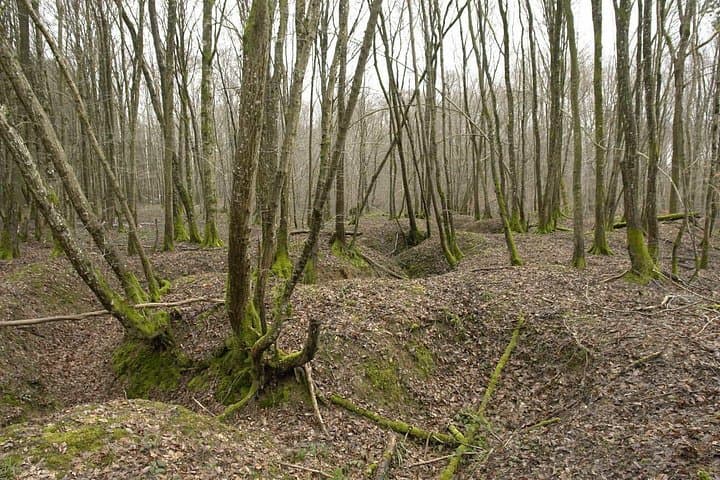
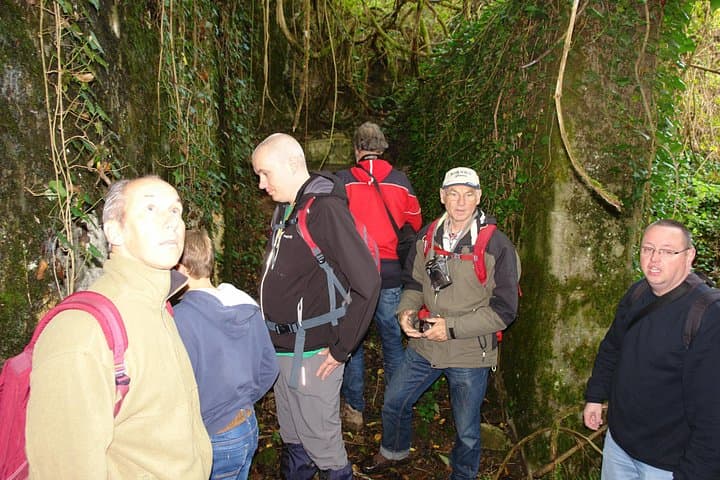
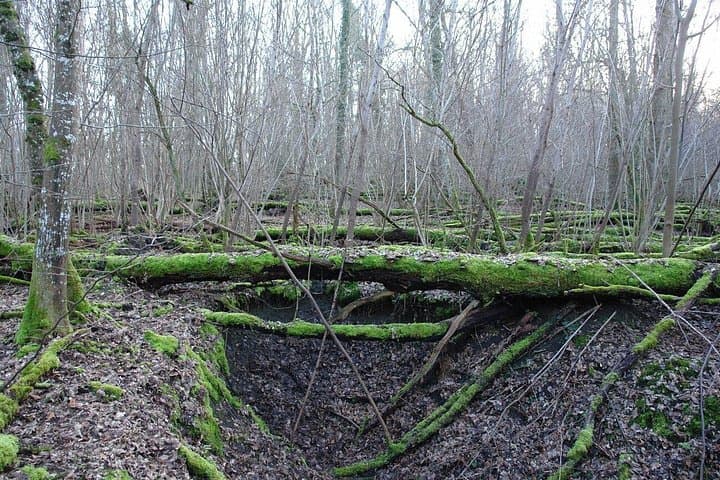
You step off the lane and the forest tightens around you: pines press close, paths narrow into rutted tracks, and the earth still holds the scars of shelling. Lamps bob in the dim as your guide leads you down a sunken trail into a cool, low-ceiling bunker where air tastes faintly of iron and damp wood.
Verified experiences and guided adventures in the surrounding area.
Operated by Promenade 14-18 · Argonne Forest, Grand Est
You step off the lane and the forest tightens around you: pines press close, paths narrow into rutted tracks, and the earth still holds the scars of shelling. Lamps bob in the dim as your guide leads you down a sunken trail into a cool, low-ceiling bunker where air tastes faintly of iron and damp wood.
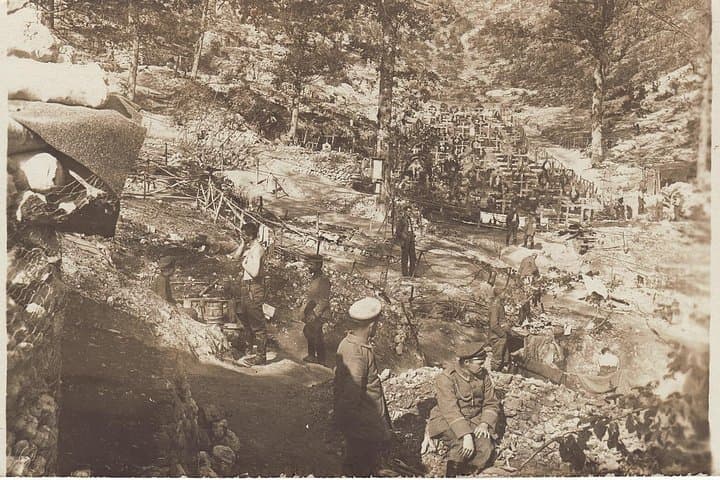
This three-hour walk follows sections of the 1915–1918 Western Front through the Argonne Forest, an area of intense trench warfare and close-quarters fighting. The itinerary covers trenches, tunnels, a preserved German field hospital and bunkers where soldiers sheltered and fought. The tour touches on the American 77th Battalion and Major Whittlesey’s Lost Battalion, French and German regimental actions, and how the dense geology of clay and sandstone shaped digging, drainage, and the persistence of battlefield features.
Local culture in nearby villages is quiet and agricultural; many families remember stories passed down from the war. Signs of conservation are visible—marked trails, stabilized bunkers, and memorial plaques—and the guide emphasizes respect for fragile structures and graves.
Practical guidance: the terrain is uneven, with roots, mud and short climbs; carry water, snacks and a waterproof layer. No restaurants or facilities on route and access is by car only. The guide can adapt the route to paved sections if needed and supplies a lamp when necessary. This is a physically engaging, historically rich walk best suited to those comfortable with moderate hikes and confined spaces.
The Argonne sector has no public transport—drive from Reims (≈1 hour) or Paris/Brussels (~3 hours). Follow meeting instructions from the operator and allow extra time on narrow country roads.
Not for children under 5; younger children may struggle with climbs, confined spaces and uneven terrain.
Yes—the route includes entering preserved bunkers and a field hospital; participants must stoop and navigate low passages.
The tour runs in most conditions (provider does not automatically cancel for weather). Bring waterproof layers; the guide can alter the route for safety.
Promenade 14-18 operates guided outdoor trips and adventures with an emphasis on safety, stewardship, and memorable experiences.
You step off the lane and the forest tightens around you: pines press close, paths narrow into rutted tracks, and the earth still holds the scars of shelling. Lamps bob in the dim as your guide leads you down a sunken trail into a cool, low-ceiling bunker where air tastes faintly of iron and damp wood.
You step off the lane and the forest tightens around you: pines press close, paths narrow into rutted tracks, and the earth still holds the scars of shelling. Lamps bob in the dim as your guide leads you down a sunken trail into a cool, low-ceiling bunker where air tastes faintly of iron and damp wood.
This three-hour walk follows sections of the 1915–1918 Western Front through the Argonne Forest, an area of intense trench warfare and close-quarters fighting. The itinerary covers trenches, tunnels, a preserved German field hospital and bunkers where soldiers sheltered and fought. The tour touches on the American 77th Battalion and Major Whittlesey’s Lost Battalion, French and German regimental actions, and how the dense geology of clay and sandstone shaped digging, drainage, and the persistence of battlefield features.
Local culture in nearby villages is quiet and agricultural; many families remember stories passed down from the war. Signs of conservation are visible—marked trails, stabilized bunkers, and memorial plaques—and the guide emphasizes respect for fragile structures and graves.
Practical guidance: the terrain is uneven, with roots, mud and short climbs; carry water, snacks and a waterproof layer. No restaurants or facilities on route and access is by car only. The guide can adapt the route to paved sections if needed and supplies a lamp when necessary. This is a physically engaging, historically rich walk best suited to those comfortable with moderate hikes and confined spaces.