THE ADVENTURE COLLECTIVE® · Independent discovery and booking for outdoor travel

From Marrakech drive into the cool of the High Atlas for a three-hour walk around Aroumd and Imlil, waterfall visits, a family tagine lunch, and optional camel rides near the trailhead. Local guides use centuries-old routes to reveal the region’s geology and culture.
From Marrakech drive into the cool of the High Atlas for a three-hour walk around Aroumd and Imlil, waterfall visits, a family tagine lunch, and optional camel rides near the trailhead. Local guides use centuries-old routes to reveal the region’s geology and culture.
A narrow mule track winds out of the dust and heat of Marrakech and into the cooler, knife-edge light of the High Atlas. Within an hour the palms thin, the air tightens, and the guide—often a local like MoSalah—leads you up centuries-old paths toward waterfalls that cut fresh lines through red volcanic and sedimentary rock. Water dares you closer; stones slick where cascades fall into shaded pools.
Verified experiences and guided adventures in the surrounding area.
Operated by Mosalah Treck & More · Aroumd, Marrakesh-Safi
A narrow mule track winds out of the dust and heat of Marrakech and into the cooler, knife-edge light of the High Atlas. Within an hour the palms thin, the air tightens, and the guide—often a local like MoSalah—leads you up centuries-old paths toward waterfalls that cut fresh lines through red volcanic and sedimentary rock. Water dares you closer; stones slick where cascades fall into shaded pools.
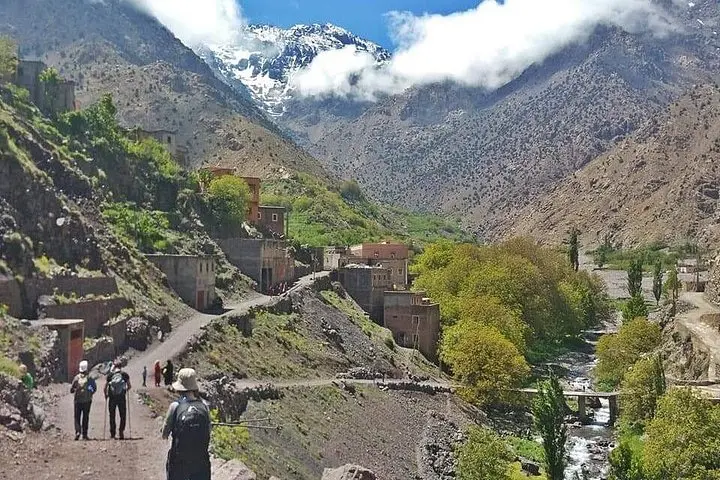
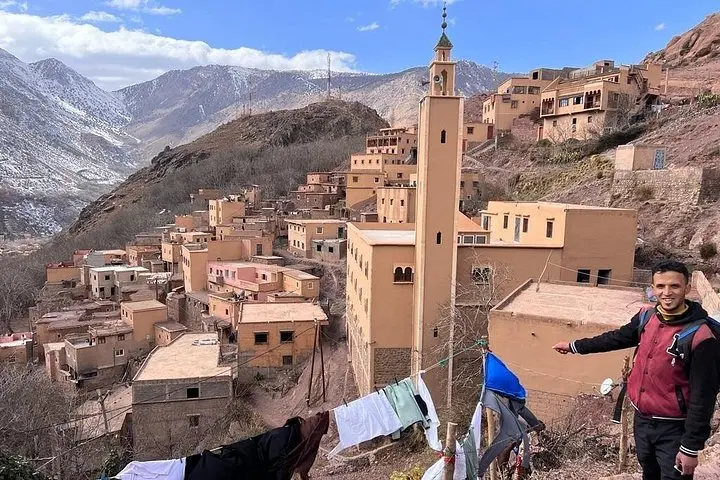
The region is Berber country: stone villages clinging to terraces, terracotta roofs, and a network of trails used for generations by shepherds and traders moving between valleys. Geologically, the High Atlas is young in mountain time—uplifted by African and Eurasian plate collision—so expect steep gullies, fractured ridgelines, and scree beneath fir and juniper.
Culturally, a home-cooked tagine lunch served by your guide’s family is as much an invitation as a meal—simple ingredients, slow-cooked, and designed to recharge you for the afternoon walk. The route around Aroumd and toward Imlil is varied: easy valley walking, short steep pitches, and damp footing near falls. Camel rides may be offered near trailheads on flatter ground, but confirm availability in advance.
Practical notes: start early to avoid midday heat, wear sturdy shoes with grip for wet rocks, and carry at least 1.5 liters of water. Mobile signal is patchy; rely on your guide for route-finding. This is a doable, rewarding day for anyone comfortable on uneven mountain trails—expect seven hours total including transfers, a three-hour walk, and time for photos and lunch.
Yes—hotel pickup and drop-off in Marrakech are included in the listing, which helps cover transfer time to Aroumd and Imlil.
The tour title mentions a camel ride, but itineraries vary—confirm with the operator before booking to guarantee a camel ride is scheduled.
Typical inclusions are guide services, lunch (a family-prepared tagine), waterfall visits, and pickup/drop-off; confirm specifics and any extra fees directly with the provider.
The three-hour walk consists of valley paths and short uphill sections; it’s generally suitable for children and older travelers who can manage uneven ground, but notify the operator of mobility concerns.
Mosalah Treck & More operates guided outdoor trips and adventures with an emphasis on safety, stewardship, and memorable experiences.
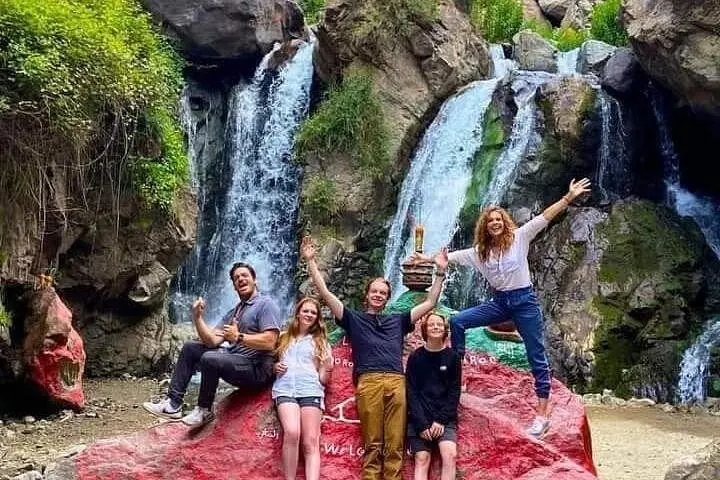
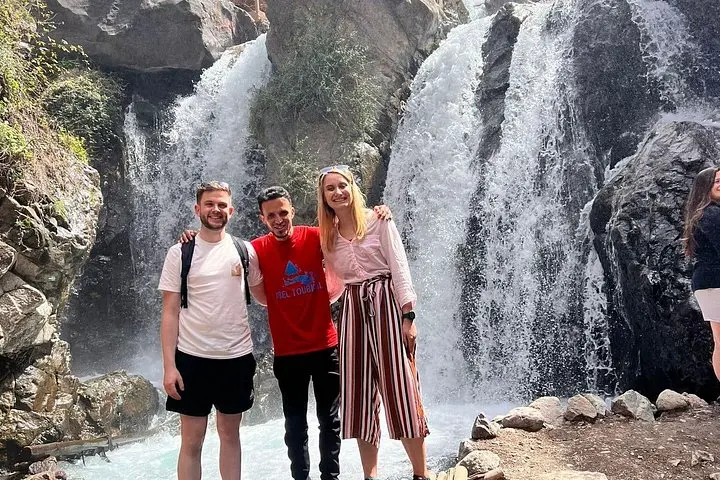
A narrow mule track winds out of the dust and heat of Marrakech and into the cooler, knife-edge light of the High Atlas. Within an hour the palms thin, the air tightens, and the guide—often a local like MoSalah—leads you up centuries-old paths toward waterfalls that cut fresh lines through red volcanic and sedimentary rock. Water dares you closer; stones slick where cascades fall into shaded pools.
A narrow mule track winds out of the dust and heat of Marrakech and into the cooler, knife-edge light of the High Atlas. Within an hour the palms thin, the air tightens, and the guide—often a local like MoSalah—leads you up centuries-old paths toward waterfalls that cut fresh lines through red volcanic and sedimentary rock. Water dares you closer; stones slick where cascades fall into shaded pools.
The region is Berber country: stone villages clinging to terraces, terracotta roofs, and a network of trails used for generations by shepherds and traders moving between valleys. Geologically, the High Atlas is young in mountain time—uplifted by African and Eurasian plate collision—so expect steep gullies, fractured ridgelines, and scree beneath fir and juniper.
Culturally, a home-cooked tagine lunch served by your guide’s family is as much an invitation as a meal—simple ingredients, slow-cooked, and designed to recharge you for the afternoon walk. The route around Aroumd and toward Imlil is varied: easy valley walking, short steep pitches, and damp footing near falls. Camel rides may be offered near trailheads on flatter ground, but confirm availability in advance.
Practical notes: start early to avoid midday heat, wear sturdy shoes with grip for wet rocks, and carry at least 1.5 liters of water. Mobile signal is patchy; rely on your guide for route-finding. This is a doable, rewarding day for anyone comfortable on uneven mountain trails—expect seven hours total including transfers, a three-hour walk, and time for photos and lunch.