THE ADVENTURE COLLECTIVE® · Independent discovery and booking for outdoor travel

A rugged coastal loop from Konnos Beach to the sea caves at Cape Greko, this up-to-10 km walk combines limestone headlands, a cliff-top chapel and chances to see sea turtles and spring migrants. Read on for route details, seasonal advice and what to pack.
A rugged coastal loop from Konnos Beach to the sea caves at Cape Greko, this up-to-10 km walk combines limestone headlands, a cliff-top chapel and chances to see sea turtles and spring migrants. Read on for route details, seasonal advice and what to pack.
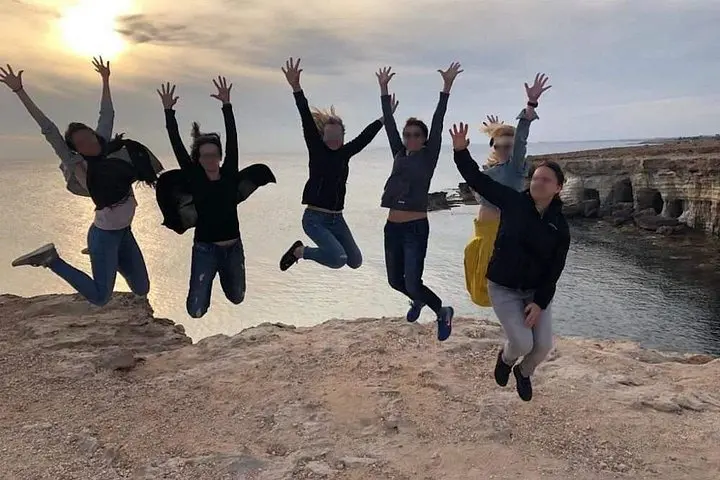
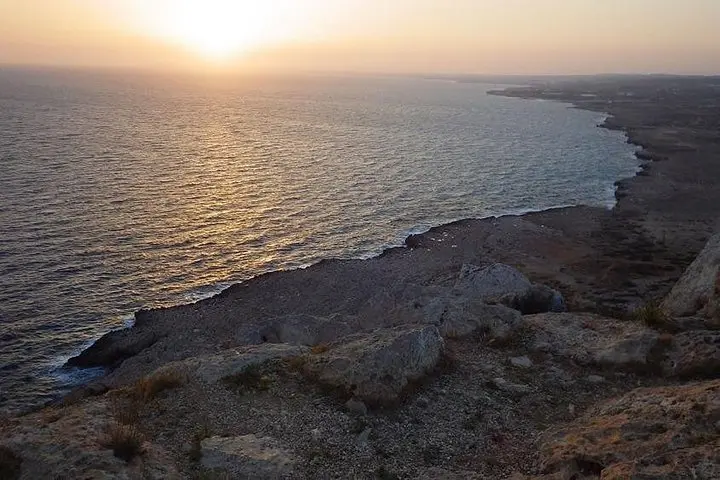
You step off Konnos Beach onto jagged limestone and the Mediterranean opens like a cool promise. Wind scours salt across faces, waves whisper from hidden coves, and the path alternates between flat coastal ledges and short, rocky climbs. The chapel of Agioi Anargyroi perches on the coast—whitewashed, plain—and a cave sanctuary yawns nearby, a human counterpoint to the sculpted sea.
Verified experiences and guided adventures in the surrounding area.
Operated by Cyprus Walks Etc · Protaras, Famagusta District
You step off Konnos Beach onto jagged limestone and the Mediterranean opens like a cool promise. Wind scours salt across faces, waves whisper from hidden coves, and the path alternates between flat coastal ledges and short, rocky climbs. The chapel of Agioi Anargyroi perches on the coast—whitewashed, plain—and a cave sanctuary yawns nearby, a human counterpoint to the sculpted sea.
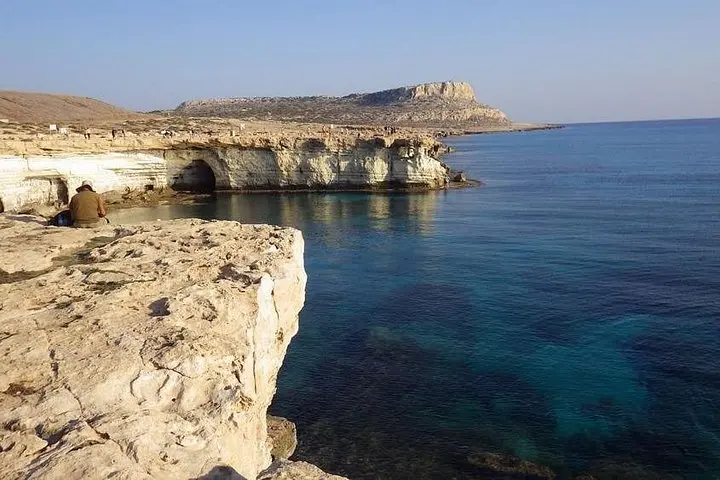
Geology here is vivid: uplifted marine limestone, wave-cut platforms and natural arches like Kamara tou Koraka carved over millennia. Cape Greko park sits between Ayia Napa and Protaras and has been a waypoint for sailors and seasonal bird migrations for centuries. In earlier times Mediterranean monk seals raised pups in the caves; today you’re more likely to spot loggerhead sea turtles and migrating seabirds during spring.
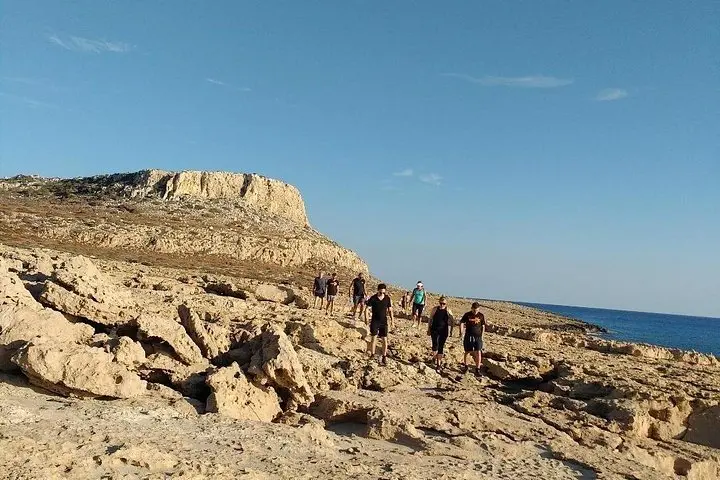
Expect a 10 km circular route on uneven, rocky terrain with brief ascents to Cape Greko Rock for wide views. The itinerary moves from Konnos Beach past the chapel, along headlands, to the sea caves known locally as Palathkia, and finishes near Glyky Nero. Sections can be narrow and exposed; currents lull in the small bays and the east side usually holds calm water.
Practical guidance: bring sturdy footwear and 1.5–2 liters of water, protect skin and eyes from sun and spray, and allow 8–10 hours for a relaxed pace that includes swims or stops. Follow local signage, respect bird and marine life, and plan the walk in spring or autumn for cooler temperatures and active birdlife.
The standard circular route is up to 10 km; with stops and short detours plan on 8–10 hours.
Children who are used to long walks and rocky terrain can do it, but supervision is essential around cliffs and caves; fitness and sure-footedness are required.
Yes—Konnos Beach and small coves offer calm water on the east side; snorkeling gear is often available through the guide or provided as part of the tour.
Most walkers base in Protaras or Ayia Napa; local buses and tour pickups are available, and many operators offer pickup from nearby towns.
Cyprus Walks Etc operates guided outdoor trips and adventures with an emphasis on safety, stewardship, and memorable experiences.
You step off Konnos Beach onto jagged limestone and the Mediterranean opens like a cool promise. Wind scours salt across faces, waves whisper from hidden coves, and the path alternates between flat coastal ledges and short, rocky climbs. The chapel of Agioi Anargyroi perches on the coast—whitewashed, plain—and a cave sanctuary yawns nearby, a human counterpoint to the sculpted sea.
You step off Konnos Beach onto jagged limestone and the Mediterranean opens like a cool promise. Wind scours salt across faces, waves whisper from hidden coves, and the path alternates between flat coastal ledges and short, rocky climbs. The chapel of Agioi Anargyroi perches on the coast—whitewashed, plain—and a cave sanctuary yawns nearby, a human counterpoint to the sculpted sea.
Geology here is vivid: uplifted marine limestone, wave-cut platforms and natural arches like Kamara tou Koraka carved over millennia. Cape Greko park sits between Ayia Napa and Protaras and has been a waypoint for sailors and seasonal bird migrations for centuries. In earlier times Mediterranean monk seals raised pups in the caves; today you’re more likely to spot loggerhead sea turtles and migrating seabirds during spring.
Expect a 10 km circular route on uneven, rocky terrain with brief ascents to Cape Greko Rock for wide views. The itinerary moves from Konnos Beach past the chapel, along headlands, to the sea caves known locally as Palathkia, and finishes near Glyky Nero. Sections can be narrow and exposed; currents lull in the small bays and the east side usually holds calm water.
Practical guidance: bring sturdy footwear and 1.5–2 liters of water, protect skin and eyes from sun and spray, and allow 8–10 hours for a relaxed pace that includes swims or stops. Follow local signage, respect bird and marine life, and plan the walk in spring or autumn for cooler temperatures and active birdlife.