THE ADVENTURE COLLECTIVE® · Independent discovery and booking for outdoor travel

Walk from Grainger Town’s classical streets to the BALTIC on the Tyne on a private two-hour tour that pairs architectural history with contemporary art. Local guides explain the buildings, personalities, and small galleries that shape Newcastle’s cultural life.
Walk from Grainger Town’s classical streets to the BALTIC on the Tyne on a private two-hour tour that pairs architectural history with contemporary art. Local guides explain the buildings, personalities, and small galleries that shape Newcastle’s cultural life.
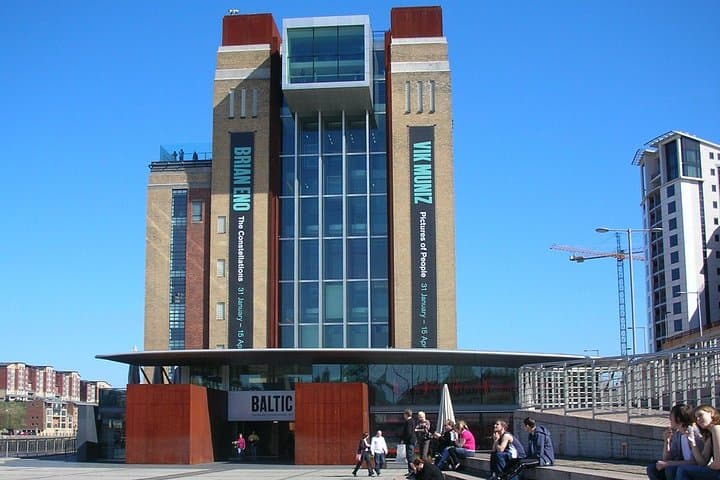
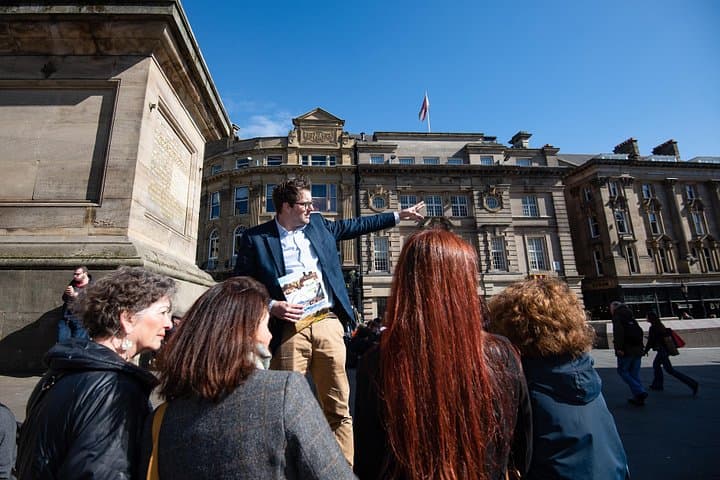
A drizzle freshens the River Tyne as the group meets beneath Grainger Town’s stone facades, the guide sketching the day’s route between classical courtyards and contemporary riverfront galleries. The walk threads from the Laing Art Gallery’s baroque-influenced frontage through narrow lanes to St. Nicholas Cathedral, then across the bridges to the raw industrial hull of BALTIC—an art space that looks out over a river that has reshaped the city’s work and will.
Verified experiences and guided adventures in the surrounding area.
Operated by Newcastle Tour Company · Newcastle upon Tyne, Tyne and Wear
A drizzle freshens the River Tyne as the group meets beneath Grainger Town’s stone facades, the guide sketching the day’s route between classical courtyards and contemporary riverfront galleries. The walk threads from the Laing Art Gallery’s baroque-influenced frontage through narrow lanes to St. Nicholas Cathedral, then across the bridges to the raw industrial hull of BALTIC—an art space that looks out over a river that has reshaped the city’s work and will.
Newcastle grew in the 19th century as a mercantile and shipbuilding hub; Grainger’s planned streets and the Grade II listed Laing record that rise. The BALTIC occupies a converted flour mill on the south bank, now a focal point for contemporary practice. Architectural styles here are an open book—Georgian rhythm, Victorian ornament, and modern adaptive reuse that speaks to the city’s industrial past and creative present.
Expect close-up stories about civic patrons, local artists, and sites that only open some weekdays. Guides thread cultural context—how maritime trade shaped collecting, how post-industrial spaces became studios—and point to off-the-map galleries squeezed into High Bridge and side streets.
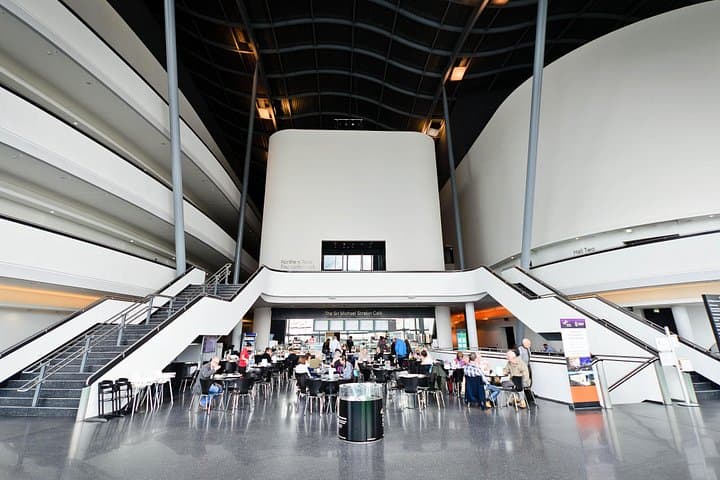
Practical side: the pace is gentle but requires standing and short staircases at venues; check opening days for individual galleries and bring a contactless card for small purchases. Morning light favors river views and photography; afternoons often host temporary exhibitions at BALTIC. In two hours travelers will leave with a layered sense of Newcastle’s visual identity and clear directions for deeper, self-guided exploration.
Entrances to free attractions are included; paid admissions to special exhibitions may be extra—your guide will confirm onsite.
The route is described as wheelchair accessible, though some historic interiors may have step restrictions—discuss specific needs at booking.
Yes; the tour is suitable for all ages but involves standing and city walking—strollers are manageable on most stretches.
Full refund available if canceled at least 24 hours before the scheduled departure time.
Newcastle Tour Company operates guided outdoor trips and adventures with an emphasis on safety, stewardship, and memorable experiences.

A drizzle freshens the River Tyne as the group meets beneath Grainger Town’s stone facades, the guide sketching the day’s route between classical courtyards and contemporary riverfront galleries. The walk threads from the Laing Art Gallery’s baroque-influenced frontage through narrow lanes to St. Nicholas Cathedral, then across the bridges to the raw industrial hull of BALTIC—an art space that looks out over a river that has reshaped the city’s work and will.
A drizzle freshens the River Tyne as the group meets beneath Grainger Town’s stone facades, the guide sketching the day’s route between classical courtyards and contemporary riverfront galleries. The walk threads from the Laing Art Gallery’s baroque-influenced frontage through narrow lanes to St. Nicholas Cathedral, then across the bridges to the raw industrial hull of BALTIC—an art space that looks out over a river that has reshaped the city’s work and will.
Newcastle grew in the 19th century as a mercantile and shipbuilding hub; Grainger’s planned streets and the Grade II listed Laing record that rise. The BALTIC occupies a converted flour mill on the south bank, now a focal point for contemporary practice. Architectural styles here are an open book—Georgian rhythm, Victorian ornament, and modern adaptive reuse that speaks to the city’s industrial past and creative present.
Expect close-up stories about civic patrons, local artists, and sites that only open some weekdays. Guides thread cultural context—how maritime trade shaped collecting, how post-industrial spaces became studios—and point to off-the-map galleries squeezed into High Bridge and side streets.
Practical side: the pace is gentle but requires standing and short staircases at venues; check opening days for individual galleries and bring a contactless card for small purchases. Morning light favors river views and photography; afternoons often host temporary exhibitions at BALTIC. In two hours travelers will leave with a layered sense of Newcastle’s visual identity and clear directions for deeper, self-guided exploration.