THE ADVENTURE COLLECTIVE® · Independent discovery and booking for outdoor travel

A seven-hour road-and-walk day from Christchurch that crosses the Canterbury Plains up into the Southern Alps. Expect alpine lookouts, Castle Hill limestone formations, a beech-forest stroll and photo stops at Arthur's Pass village.
A seven-hour road-and-walk day from Christchurch that crosses the Canterbury Plains up into the Southern Alps. Expect alpine lookouts, Castle Hill limestone formations, a beech-forest stroll and photo stops at Arthur's Pass village.
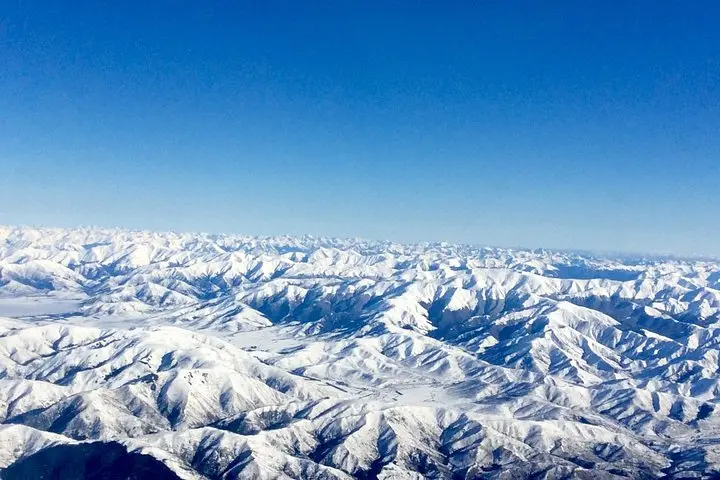
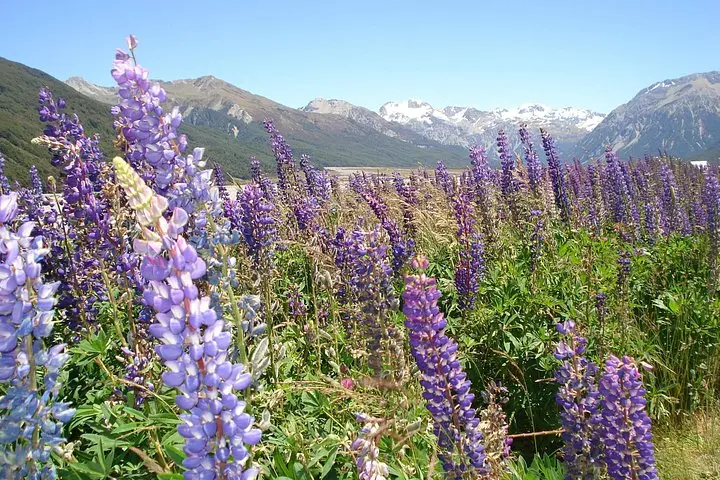
A chill hangs in the van as you slip away from Christchurch, the city lights shrinking behind a ribbon of asphalt that crosses the flat, farming face of the Canterbury Plains. The road climbs; fields become hedgerows, hedgerows become tussock, and the air starts to carry the clean, mineral scent of stone and snow. By the time you crest Porters Pass—just under 1,000 meters and a higher saddle than Arthur's Pass itself—the Southern Alps are demanding your attention: serrated ridgelines, braided rivers working their way to the sea, and mountain lakes sitting like dark eyes in the valleys.
Verified experiences and guided adventures in the surrounding area.
Operated by E S Tours · Arthur's Pass, Canterbury
A chill hangs in the van as you slip away from Christchurch, the city lights shrinking behind a ribbon of asphalt that crosses the flat, farming face of the Canterbury Plains. The road climbs; fields become hedgerows, hedgerows become tussock, and the air starts to carry the clean, mineral scent of stone and snow. By the time you crest Porters Pass—just under 1,000 meters and a higher saddle than Arthur's Pass itself—the Southern Alps are demanding your attention: serrated ridgelines, braided rivers working their way to the sea, and mountain lakes sitting like dark eyes in the valleys.
This full-day circuit (about 80 km each way from Christchurch to the high country and back, seven hours door-to-door) threads through landscapes shaped by repeated glaciation and river motion. The Waimakariri and its tributaries braid and shift, pushing silt and gravel downstream; the limestones at Castle Hill are ancient seafloor lifted and buckled into cliffs and giant boulders. Māori groups including the Waitaha used these passes as seasonal routes and spiritual places, and European history here accelerates in the 1860s when a hurried road was cut as the West Coast gold rush demanded a link east–west.
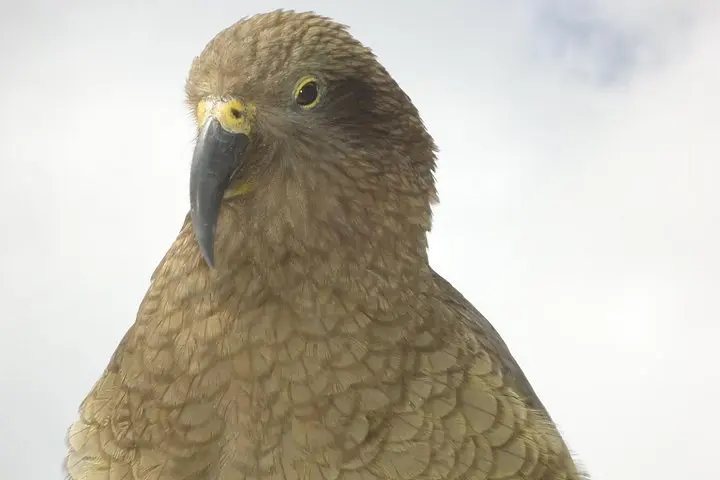
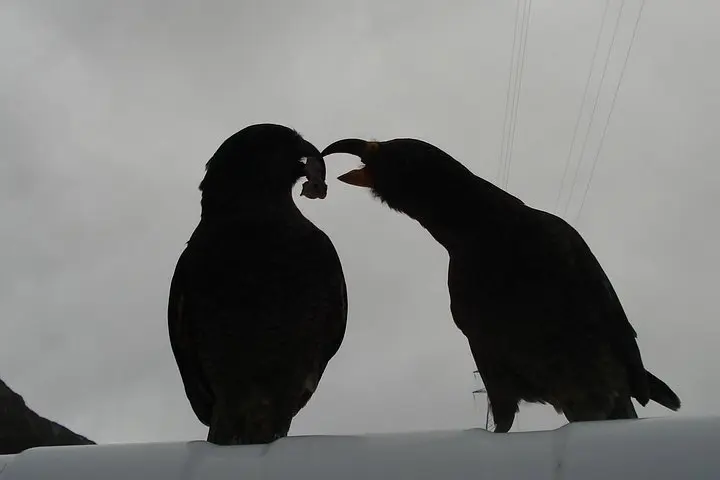
Stop at the Arthur's Pass Visitor Centre to read about kea and the alpine ecology, then walk the short beech-forest loop behind the little mountain chapel where a clear-water stream tumbles over moss and roots. Castle Hill is photographic and geological theatre: karst outcrops and climbing routes used by mountaineers from around the world, with film crews having favorited specific rockscapes for fantasy scenes.
Practically, the day is a transport-led exploration with short, accessible walks. Expect roughly 2.5 hours of driving out across the plains and mountain approaches before your first forest stop; itineraries usually include a 60-minute stroll at Castle Hill and brief photo stops at lookouts and the national park sign. Weather can flip quickly; mountain drizzle will push into the van, and wind will test umbrellas, so layers and waterproofs are not optional—they're the plan.
For photographers, bring a wide lens for river braids and a mid-range for rock detail. Keep snacks on hand for the village lunch window and plan on a return that may include a quick tour of central Christchurch if timing allows. This is a day for slow windows, short hikes, and close-up encounters with alpine weather and geology—an approachable taste of the Southern Alps without multi-day packing or technical climbing.
The excursion is approximately 7 hours from pickup to return; exact times depend on pickup location in Christchurch or Lyttelton and traffic, but plan for a full morning-to-afternoon day.
No—most stops are short, easy walks (10–60 minutes). Castle Hill has uneven ground and some short uphill sections but nothing technical.
Lunch is typically taken in Arthur's Pass village at local cafés; bringing snacks is advised in case of timing changes or limited café hours.
Yes, but winter brings snow and possible road conditions requiring chains or tour adjustments; the operator will advise on winter preparations and any necessary changes.
Yes, pickup logistics for cruise passengers are handled at the Lyttelton shuttle stop—follow supplier instructions through the customs-secure area to meet your guide.
The tour is family-friendly and described as physically easy overall, but some short walks and uneven terrain may be challenging for limited-mobility visitors—check with the operator for tailored accommodations.
E S Tours operates guided outdoor trips and adventures with an emphasis on safety, stewardship, and memorable experiences.
A chill hangs in the van as you slip away from Christchurch, the city lights shrinking behind a ribbon of asphalt that crosses the flat, farming face of the Canterbury Plains. The road climbs; fields become hedgerows, hedgerows become tussock, and the air starts to carry the clean, mineral scent of stone and snow. By the time you crest Porters Pass—just under 1,000 meters and a higher saddle than Arthur's Pass itself—the Southern Alps are demanding your attention: serrated ridgelines, braided rivers working their way to the sea, and mountain lakes sitting like dark eyes in the valleys.
A chill hangs in the van as you slip away from Christchurch, the city lights shrinking behind a ribbon of asphalt that crosses the flat, farming face of the Canterbury Plains. The road climbs; fields become hedgerows, hedgerows become tussock, and the air starts to carry the clean, mineral scent of stone and snow. By the time you crest Porters Pass—just under 1,000 meters and a higher saddle than Arthur's Pass itself—the Southern Alps are demanding your attention: serrated ridgelines, braided rivers working their way to the sea, and mountain lakes sitting like dark eyes in the valleys.
This full-day circuit (about 80 km each way from Christchurch to the high country and back, seven hours door-to-door) threads through landscapes shaped by repeated glaciation and river motion. The Waimakariri and its tributaries braid and shift, pushing silt and gravel downstream; the limestones at Castle Hill are ancient seafloor lifted and buckled into cliffs and giant boulders. Māori groups including the Waitaha used these passes as seasonal routes and spiritual places, and European history here accelerates in the 1860s when a hurried road was cut as the West Coast gold rush demanded a link east–west.
Stop at the Arthur's Pass Visitor Centre to read about kea and the alpine ecology, then walk the short beech-forest loop behind the little mountain chapel where a clear-water stream tumbles over moss and roots. Castle Hill is photographic and geological theatre: karst outcrops and climbing routes used by mountaineers from around the world, with film crews having favorited specific rockscapes for fantasy scenes.
Practically, the day is a transport-led exploration with short, accessible walks. Expect roughly 2.5 hours of driving out across the plains and mountain approaches before your first forest stop; itineraries usually include a 60-minute stroll at Castle Hill and brief photo stops at lookouts and the national park sign. Weather can flip quickly; mountain drizzle will push into the van, and wind will test umbrellas, so layers and waterproofs are not optional—they're the plan.
For photographers, bring a wide lens for river braids and a mid-range for rock detail. Keep snacks on hand for the village lunch window and plan on a return that may include a quick tour of central Christchurch if timing allows. This is a day for slow windows, short hikes, and close-up encounters with alpine weather and geology—an approachable taste of the Southern Alps without multi-day packing or technical climbing.