THE ADVENTURE COLLECTIVE® · Independent discovery and booking for outdoor travel

Learn to make coconut milk and two regional ceviches in a 90‑minute hands-on class in Cartagena’s old city. This practical culinary experience pairs market-smart technique with Afro‑Caribbean coastal flavors.
Learn to make coconut milk and two regional ceviches in a 90‑minute hands-on class in Cartagena’s old city. This practical culinary experience pairs market-smart technique with Afro‑Caribbean coastal flavors.
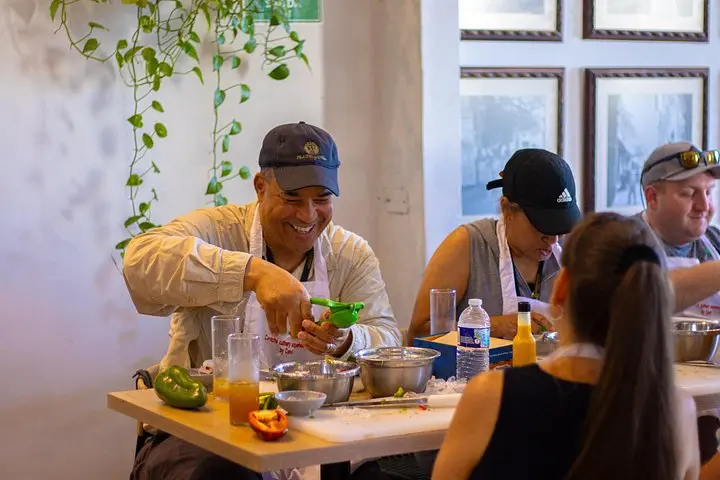
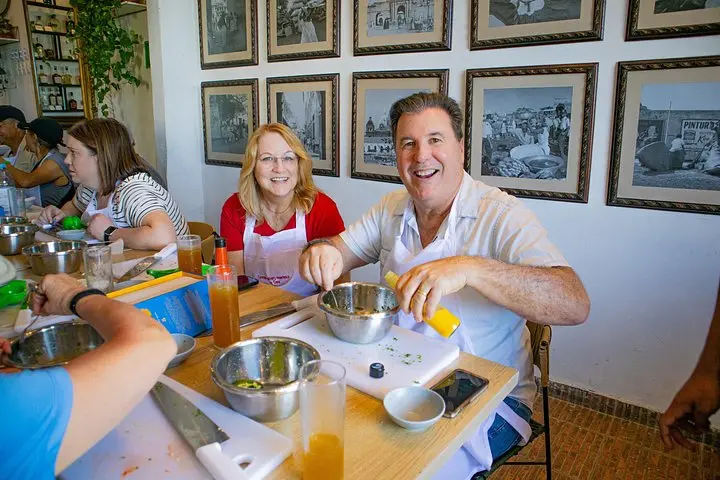
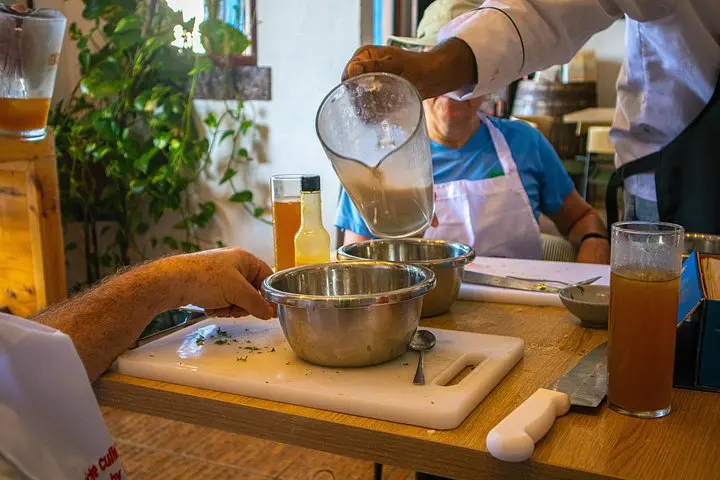
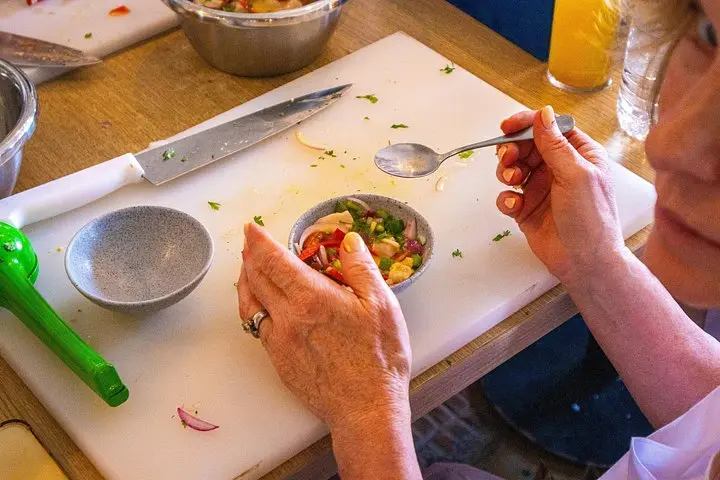
The kitchen hums like a small boat tied to the quay: fans turn, the Caribbean breeze slips through shutters, and the citrus-slick scent of limes fills the room. In a compact studio in Cartagena’s old city, you’ll press coconut, squeeze limes, and watch raw fish transform under salt and acid while an instructor guides the rhythm of knives and taste.
Verified experiences and guided adventures in the surrounding area.
Operated by Local Colombia · Cartagena, Bolívar
The kitchen hums like a small boat tied to the quay: fans turn, the Caribbean breeze slips through shutters, and the citrus-slick scent of limes fills the room. In a compact studio in Cartagena’s old city, you’ll press coconut, squeeze limes, and watch raw fish transform under salt and acid while an instructor guides the rhythm of knives and taste.
Cartagena is a port city born of trade winds and tides; its food carries the imprint of Indigenous techniques, Spanish preservation, and Afro-Caribbean ingredients. Ceviche here is less a fixed recipe than a conversation — coconut milk softens the acid, local peppers add heat, and fresh catch reflects the geography of the continental shelf offshore.
Expect 90 minutes of hands-on instruction: making artisanal coconut milk, preparing two distinct ceviches, a welcome drink, and a traditional dessert. The class connects technique with local markets — how to sniff for freshness, why acid “cooks” fish, and how coastal culture shapes flavor.
Practical tips: arrive hydrated and with short nails; cooking surfaces are compact and classes move deliberately. If you have allergies, notify organizers before booking. Morning sessions catch fresher fish and cooler air; evenings will be livelier but warmer. Bring a camera, but plan to taste as you go — salt, citrus, and a touch of sweetness will be your guides.
This is a sensory, low-impact way to learn Cartagena’s coastal foodways: you leave with recipes, a clearer sense of local sourcing, and a culinary skill you can repeat at home.
No — classes are designed for beginners and intermediate cooks; instructors demonstrate techniques and guide you step by step.
Yes — notify the operator when booking about allergies or dietary needs so they can plan substitutions.
Instructors typically source fish from local markets the same day to ensure freshness; if you have concerns, ask before the session starts.
No — most classes meet at a central kitchen in the old city; public transport and taxis are readily available nearby.
Local Colombia operates guided outdoor trips and adventures with an emphasis on safety, stewardship, and memorable experiences.
The kitchen hums like a small boat tied to the quay: fans turn, the Caribbean breeze slips through shutters, and the citrus-slick scent of limes fills the room. In a compact studio in Cartagena’s old city, you’ll press coconut, squeeze limes, and watch raw fish transform under salt and acid while an instructor guides the rhythm of knives and taste.
The kitchen hums like a small boat tied to the quay: fans turn, the Caribbean breeze slips through shutters, and the citrus-slick scent of limes fills the room. In a compact studio in Cartagena’s old city, you’ll press coconut, squeeze limes, and watch raw fish transform under salt and acid while an instructor guides the rhythm of knives and taste.
Cartagena is a port city born of trade winds and tides; its food carries the imprint of Indigenous techniques, Spanish preservation, and Afro-Caribbean ingredients. Ceviche here is less a fixed recipe than a conversation — coconut milk softens the acid, local peppers add heat, and fresh catch reflects the geography of the continental shelf offshore.
Expect 90 minutes of hands-on instruction: making artisanal coconut milk, preparing two distinct ceviches, a welcome drink, and a traditional dessert. The class connects technique with local markets — how to sniff for freshness, why acid “cooks” fish, and how coastal culture shapes flavor.
Practical tips: arrive hydrated and with short nails; cooking surfaces are compact and classes move deliberately. If you have allergies, notify organizers before booking. Morning sessions catch fresher fish and cooler air; evenings will be livelier but warmer. Bring a camera, but plan to taste as you go — salt, citrus, and a touch of sweetness will be your guides.
This is a sensory, low-impact way to learn Cartagena’s coastal foodways: you leave with recipes, a clearer sense of local sourcing, and a culinary skill you can repeat at home.