THE ADVENTURE COLLECTIVE® · Independent discovery and booking for outdoor travel

Escape Kathmandu’s bustle for 13 days of remote ridgelines, mountain lakes and village hospitality in Nepal’s eastern Himalaya. This trek balances steady climbs, high viewpoints and authentic local culture while staying largely off the main trekking corridors.
Escape Kathmandu’s bustle for 13 days of remote ridgelines, mountain lakes and village hospitality in Nepal’s eastern Himalaya. This trek balances steady climbs, high viewpoints and authentic local culture while staying largely off the main trekking corridors.
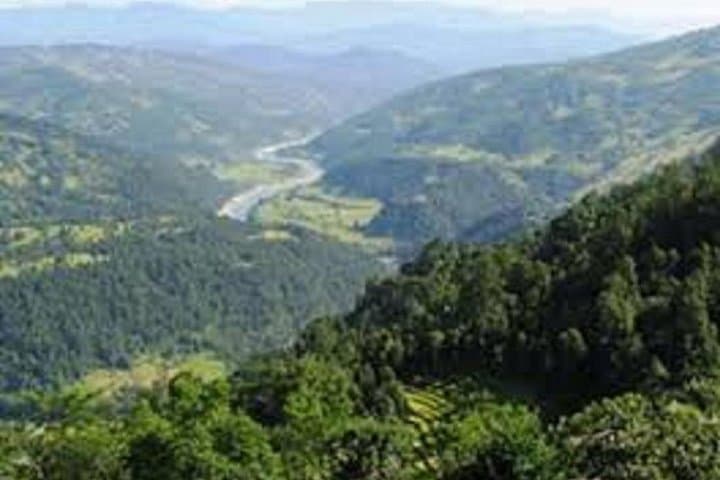
A thin light warms the high roof of the Kathmandu valley as jeeps rattle out toward the Arun River, and by evening you’ll be trading traffic for terraced fields and the chatter of village life. The Arun Valley trek unfurls east of Kathmandu through deep river gorges, rhododendron and bamboo forests, and high alpine bowls — the landscape shifts each day like chapters in a field guide.
Verified experiences and guided adventures in the surrounding area.
Operated by Couch Adventure Nepal (CAN) · Kathmandu, Bagmati Province
A thin light warms the high roof of the Kathmandu valley as jeeps rattle out toward the Arun River, and by evening you’ll be trading traffic for terraced fields and the chatter of village life. The Arun Valley trek unfurls east of Kathmandu through deep river gorges, rhododendron and bamboo forests, and high alpine bowls — the landscape shifts each day like chapters in a field guide.
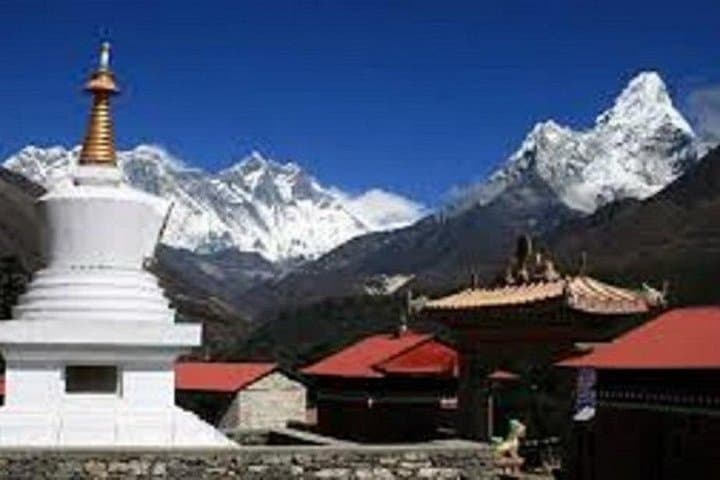
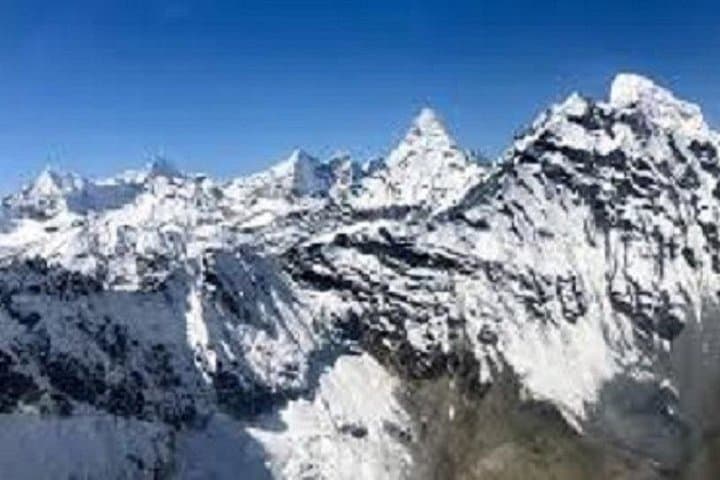
This route threads through mixed ethnic communities — Rai, Limbu and Sherpa settlements — along a historic corridor that once connected high pasturelands to trade routes toward Tibet. Geologically the valley is a textbook of Himalayan uplift: steep V-shaped valleys carved by swift tributaries, with viewpoints that frame Makalu’s serrated summit and the dark ridge lines of the Jobbra range.
You’ll pass small tea houses and overnight in guesthouses, climb regularly (daily sections of 300–900 m gain are common) and reach Salpa Pokhari at about 3,350 m. Trails vary from smooth packed soil to rocky, root-strewn climbs; expect river crossings and steep switchbacks.
Practical guidance: allow time for acclimatization, carry high-calorie snacks and a reliable water-treatment method, and budget local cash — remote villages have limited ATM access. Aim for 5–6 hours of walking on average per day; a rest day or lighter day helps at higher altitudes. Weather can change fast: start early to avoid afternoon storms and keep layers handy. For independent travelers, permits and a local guide simplify logistics in this remote region and add local knowledge to the experience.
Yes—official trekking permits and local documentation are required; tour operators usually handle TIMS and any district permits in advance.
Highest regular point is Salpa Pokhari (~3,350 m); altitude sickness can occur above 2,500–3,000 m, so follow acclimatization protocols and inform your guide of symptoms.
Most nights are in local guesthouses/tea houses with basic beds, shared bathrooms and simple meals; standards improve closer to larger villages like Phaplu.
Parts are remote and poorly marked; hiring a local guide or joining a small private group is strongly recommended for navigation and logistics.
Couch Adventure Nepal (CAN) operates guided outdoor trips and adventures with an emphasis on safety, stewardship, and memorable experiences.

A thin light warms the high roof of the Kathmandu valley as jeeps rattle out toward the Arun River, and by evening you’ll be trading traffic for terraced fields and the chatter of village life. The Arun Valley trek unfurls east of Kathmandu through deep river gorges, rhododendron and bamboo forests, and high alpine bowls — the landscape shifts each day like chapters in a field guide.
A thin light warms the high roof of the Kathmandu valley as jeeps rattle out toward the Arun River, and by evening you’ll be trading traffic for terraced fields and the chatter of village life. The Arun Valley trek unfurls east of Kathmandu through deep river gorges, rhododendron and bamboo forests, and high alpine bowls — the landscape shifts each day like chapters in a field guide.
This route threads through mixed ethnic communities — Rai, Limbu and Sherpa settlements — along a historic corridor that once connected high pasturelands to trade routes toward Tibet. Geologically the valley is a textbook of Himalayan uplift: steep V-shaped valleys carved by swift tributaries, with viewpoints that frame Makalu’s serrated summit and the dark ridge lines of the Jobbra range.
You’ll pass small tea houses and overnight in guesthouses, climb regularly (daily sections of 300–900 m gain are common) and reach Salpa Pokhari at about 3,350 m. Trails vary from smooth packed soil to rocky, root-strewn climbs; expect river crossings and steep switchbacks.
Practical guidance: allow time for acclimatization, carry high-calorie snacks and a reliable water-treatment method, and budget local cash — remote villages have limited ATM access. Aim for 5–6 hours of walking on average per day; a rest day or lighter day helps at higher altitudes. Weather can change fast: start early to avoid afternoon storms and keep layers handy. For independent travelers, permits and a local guide simplify logistics in this remote region and add local knowledge to the experience.