THE ADVENTURE COLLECTIVE® · Independent discovery and booking for outdoor travel

Walk Arundel’s historic streets with a museum curator to learn how to spot hallmarks, assess condition, and haggle for antiques. The half-day tour mixes shop visits with local history and ends with a traditional English Afternoon Tea.
Walk Arundel’s historic streets with a museum curator to learn how to spot hallmarks, assess condition, and haggle for antiques. The half-day tour mixes shop visits with local history and ends with a traditional English Afternoon Tea.
The cobbles underfoot give a steady rhythm as you step from a timber-framed shopfront into a dim, fragrant room lined with brass, leather and faded fabrics. Sarah, a museum curator and antiques expert, leads the way — magnifying glass in hand — pointing out maker’s marks tucked beneath lids and telling short stories about each object's provenance.
Verified experiences and guided adventures in the surrounding area.
Operated by Foraging For Antiques · Arundel, West Sussex
The cobbles underfoot give a steady rhythm as you step from a timber-framed shopfront into a dim, fragrant room lined with brass, leather and faded fabrics. Sarah, a museum curator and antiques expert, leads the way — magnifying glass in hand — pointing out maker’s marks tucked beneath lids and telling short stories about each object's provenance.
Arundel is older than the roads that thread through it. The Norman castle on the ridge, founded in the 11th century, watches over a town shaped by medieval trade along the River Arun and by the soft white chalk of the South Downs behind it. Those geology and trade patterns helped create a local economy where reclaimed furniture, nautical finds, and ecclesiastical fragments turn up in the same shop.
The tour blends practical skills — how to read hallmarks, spot restorations, and negotiate — with cultural context: why Victorian pieces were popular regionally, how wartime shortages reshaped collecting, and how local makers influenced tastes. You’ll pause for introductions over tea, move between three or more independent shops, climb a few creaky staircases to attic rooms, and finish with an English Afternoon Tea in one of the town’s historic cafés.
Plan on 3–4 hours of standing and walking on uneven surfaces. Wear supportive shoes, bring a small bag for notes and photos, and budget time if you plan to buy and ship purchases. The value of this experience is hands-on learning from a curator — you leave better informed and more confident spotting genuine finds in future hunts.
The private tour runs approximately 3–4 hours, typically including morning introductions, several shop visits and an English Afternoon Tea.
Yes — purchases are allowed; guides can advise on condition and value but you pay the shop directly and should confirm shipping options in advance.
The tour involves walking on uneven cobbles and climbing stairs in historic buildings, so it’s not ideal for those with limited mobility; contact the operator to discuss accommodations.
Yes — morning tea or coffee plus an English Afternoon Tea is included; special diets (gluten-free or vegan) can be requested when booking.
Foraging For Antiques operates guided outdoor trips and adventures with an emphasis on safety, stewardship, and memorable experiences.
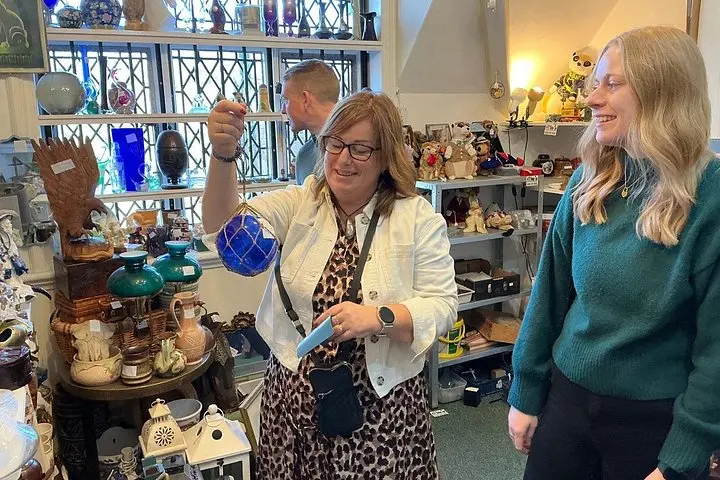
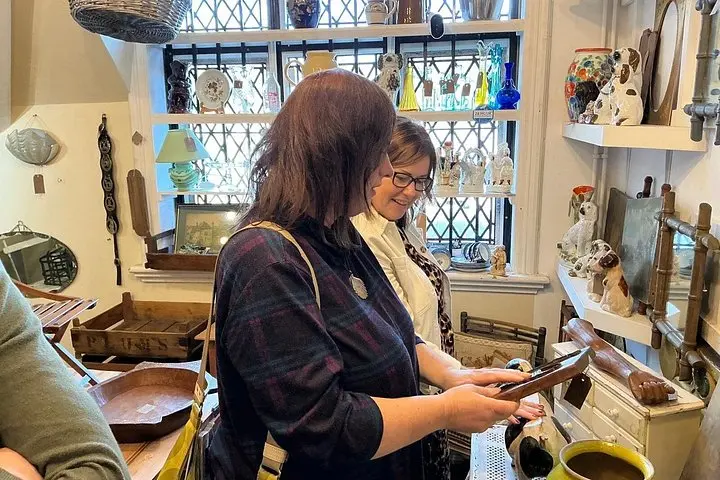
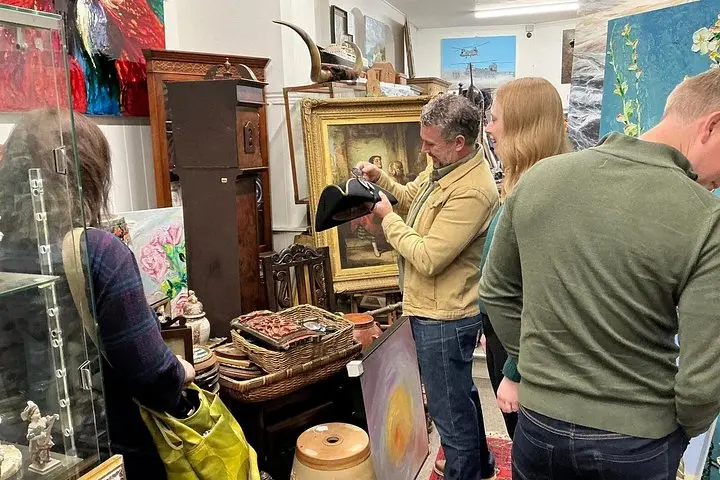
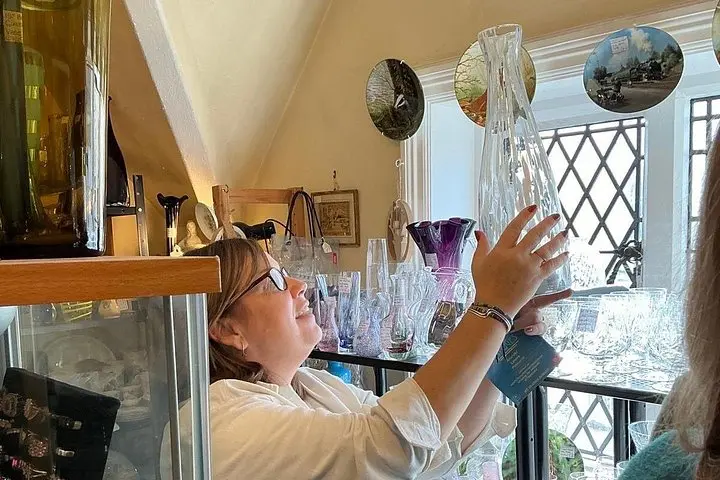
The cobbles underfoot give a steady rhythm as you step from a timber-framed shopfront into a dim, fragrant room lined with brass, leather and faded fabrics. Sarah, a museum curator and antiques expert, leads the way — magnifying glass in hand — pointing out maker’s marks tucked beneath lids and telling short stories about each object's provenance.
The cobbles underfoot give a steady rhythm as you step from a timber-framed shopfront into a dim, fragrant room lined with brass, leather and faded fabrics. Sarah, a museum curator and antiques expert, leads the way — magnifying glass in hand — pointing out maker’s marks tucked beneath lids and telling short stories about each object's provenance.
Arundel is older than the roads that thread through it. The Norman castle on the ridge, founded in the 11th century, watches over a town shaped by medieval trade along the River Arun and by the soft white chalk of the South Downs behind it. Those geology and trade patterns helped create a local economy where reclaimed furniture, nautical finds, and ecclesiastical fragments turn up in the same shop.
The tour blends practical skills — how to read hallmarks, spot restorations, and negotiate — with cultural context: why Victorian pieces were popular regionally, how wartime shortages reshaped collecting, and how local makers influenced tastes. You’ll pause for introductions over tea, move between three or more independent shops, climb a few creaky staircases to attic rooms, and finish with an English Afternoon Tea in one of the town’s historic cafés.
Plan on 3–4 hours of standing and walking on uneven surfaces. Wear supportive shoes, bring a small bag for notes and photos, and budget time if you plan to buy and ship purchases. The value of this experience is hands-on learning from a curator — you leave better informed and more confident spotting genuine finds in future hunts.