THE ADVENTURE COLLECTIVE® · Independent discovery and booking for outdoor travel

A compact, vehicle-based camping safari that links Tarangire’s baobabs, Ngorongoro’s volcanic amphitheater and Lake Manyara’s soda shores over three days. Expect long drives, close wildlife encounters, and basic campsite nights.
A compact, vehicle-based camping safari that links Tarangire’s baobabs, Ngorongoro’s volcanic amphitheater and Lake Manyara’s soda shores over three days. Expect long drives, close wildlife encounters, and basic campsite nights.
Morning light slides across red-dust tracks as the Land Cruiser rolls out of Arusha, the air already carrying the scent of dry grass and diesel. Over three days the route moves from the baobab-scattered plains of Tarangire, down the sun-baked rim into Ngorongoro’s bowl, and north to the soda shores of Lake Manyara — each landscape pushing a different rhythm on the body and senses.
Verified experiences and guided adventures in the surrounding area.
Operated by Crater explorer tours and safaris · Arusha, Arusha Region
Morning light slides across red-dust tracks as the Land Cruiser rolls out of Arusha, the air already carrying the scent of dry grass and diesel. Over three days the route moves from the baobab-scattered plains of Tarangire, down the sun-baked rim into Ngorongoro’s bowl, and north to the soda shores of Lake Manyara — each landscape pushing a different rhythm on the body and senses.
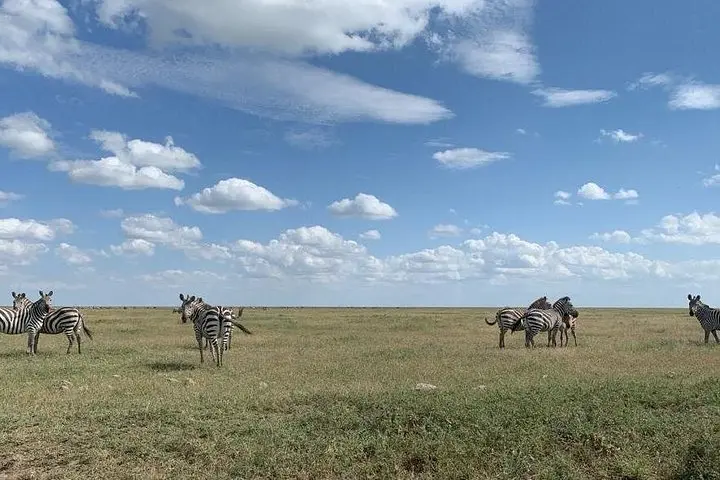
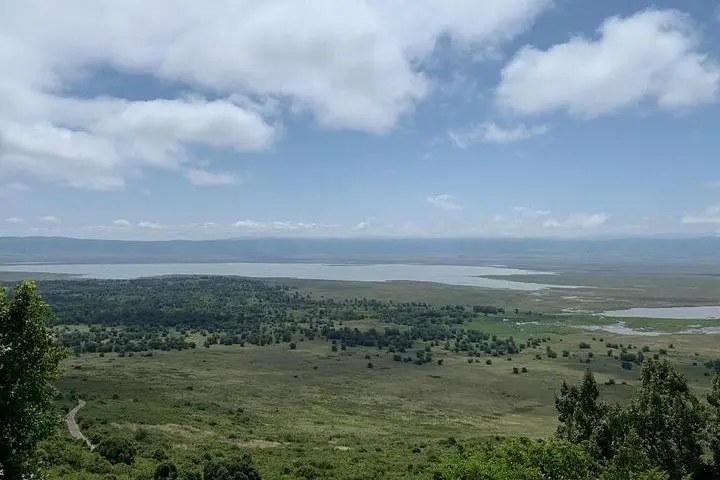
Tarangire’s floodplain and ancient baobabs host elephant herds that seem to roam with a quiet agenda; Ngorongoro’s crater, a volcanic caldera roughly 600m deep with a rim around 2,200–2,400m and a floor near 1,800–1,900m, packs plains and forest into a single amphitheater; Lake Manyara’s shallow, alkaline edge draws flocks of flamingos and, famously, tree-climbing lions.
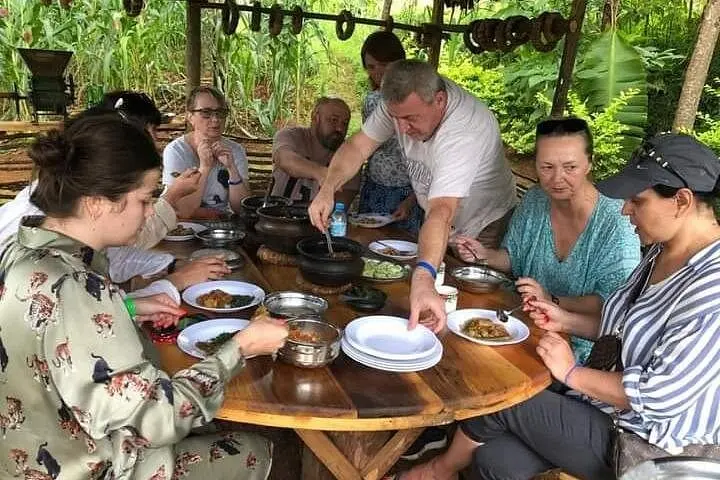
The route follows packed dirt tracks and seasonal riverbeds, with long stretches of driving between parks — expect multiple 2–4 hour legs. Nights are spent at basic campsites where communal dinners and tented sleeping replace hotels.
Practical side: bring layers for chilly mornings on the crater rim, a warm hat for pre-dawn game drives, and a reliable water bottle — dehydration is the most common nuisance. Binoculars and a camera with a 200–400mm lens make wildlife viewing rewarding; comfortable walking shoes suffice for short trails, but the trip is vehicle-based rather than a hike-intensive itinerary. Park entry fees, conservation levies, and tips are often paid separately — confirm what's included with the operator.
This circuit suits travelers seeking raw wildlife viewing and rustic camping rather than luxury lodges; it rewards early starts and patient watching, with nature often dictating the pace.
Park entry and conservation fees are often not included in base prices; confirm with the operator and be prepared to pay these locally if required.
Campsites are basic: tented accommodation, shared or simple sanitary facilities, and communal meals; sleeping bags or liners may or may not be provided — confirm before travel.
Routine vaccinations are recommended and malaria prophylaxis is advised for this region; consult a travel health clinic for current requirements and yellow fever rules based on your itinerary.
Most travelers fly into Kilimanjaro International Airport (JRO) or Arusha’s small airport; transfers and hotel pickups are commonly arranged by the operator—confirm pickup details during booking.
Crater explorer tours and safaris operates guided outdoor trips and adventures with an emphasis on safety, stewardship, and memorable experiences.
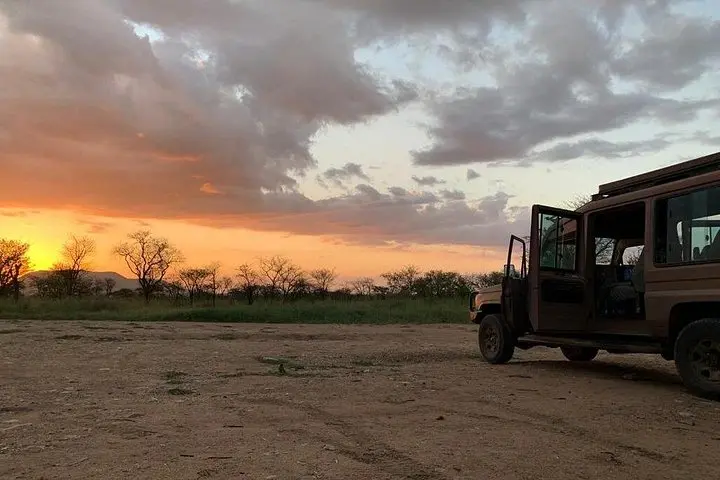
Morning light slides across red-dust tracks as the Land Cruiser rolls out of Arusha, the air already carrying the scent of dry grass and diesel. Over three days the route moves from the baobab-scattered plains of Tarangire, down the sun-baked rim into Ngorongoro’s bowl, and north to the soda shores of Lake Manyara — each landscape pushing a different rhythm on the body and senses.
Morning light slides across red-dust tracks as the Land Cruiser rolls out of Arusha, the air already carrying the scent of dry grass and diesel. Over three days the route moves from the baobab-scattered plains of Tarangire, down the sun-baked rim into Ngorongoro’s bowl, and north to the soda shores of Lake Manyara — each landscape pushing a different rhythm on the body and senses.
Tarangire’s floodplain and ancient baobabs host elephant herds that seem to roam with a quiet agenda; Ngorongoro’s crater, a volcanic caldera roughly 600m deep with a rim around 2,200–2,400m and a floor near 1,800–1,900m, packs plains and forest into a single amphitheater; Lake Manyara’s shallow, alkaline edge draws flocks of flamingos and, famously, tree-climbing lions.
The route follows packed dirt tracks and seasonal riverbeds, with long stretches of driving between parks — expect multiple 2–4 hour legs. Nights are spent at basic campsites where communal dinners and tented sleeping replace hotels.
Practical side: bring layers for chilly mornings on the crater rim, a warm hat for pre-dawn game drives, and a reliable water bottle — dehydration is the most common nuisance. Binoculars and a camera with a 200–400mm lens make wildlife viewing rewarding; comfortable walking shoes suffice for short trails, but the trip is vehicle-based rather than a hike-intensive itinerary. Park entry fees, conservation levies, and tips are often paid separately — confirm what's included with the operator.
This circuit suits travelers seeking raw wildlife viewing and rustic camping rather than luxury lodges; it rewards early starts and patient watching, with nature often dictating the pace.