THE ADVENTURE COLLECTIVE® · Independent discovery and booking for outdoor travel

Three days from Arusha take you through Tarangire’s baobabs, the volcanic bowl of Ngorongoro and the bird-rich shores of Lake Manyara. This compact safari pairs big-game viewing with simple tented nights and early-morning drives for maximum wildlife encounter potential.
Three days from Arusha take you through Tarangire’s baobabs, the volcanic bowl of Ngorongoro and the bird-rich shores of Lake Manyara. This compact safari pairs big-game viewing with simple tented nights and early-morning drives for maximum wildlife encounter potential.
Dawn pulls the horizon into a thin gold line as the Land Cruiser rolls out of Arusha, headlights cutting through cool air and the distant chorus of early birds. On day one the vehicle bumps along red earth toward Tarangire, where baobabs squat like ancient guardians and termite mounds rise like earthen sculptures; elephants move with deliberate purpose, and the bush seems to lean in to watch you pass.
Verified experiences and guided adventures in the surrounding area.
Operated by Kilinge Adventures · Arusha, Arusha Region
Dawn pulls the horizon into a thin gold line as the Land Cruiser rolls out of Arusha, headlights cutting through cool air and the distant chorus of early birds. On day one the vehicle bumps along red earth toward Tarangire, where baobabs squat like ancient guardians and termite mounds rise like earthen sculptures; elephants move with deliberate purpose, and the bush seems to lean in to watch you pass.
This loop threads together distinct landscapes and histories: Tarangire’s river-fed mosaic, the volcanic collapse of Ngorongoro which formed a shallow caldera teeming with life, and Lake Manyara’s alkaline edge where flamingos stain the shallows pink. The Maasai have grazed these plains for generations; their presence and pastoral patterns still shape movement of wildlife and access to grazing lands.
Geology is visible at every turn—the crater’s rim is a raised rim of basalt and tuff, offering a natural amphitheater for large mammals; Tarangire’s floodplain changes character seasonally, alternately drawing herds and wading birds.
Practically: expect long game-drive days in an open-roof 4x4, basic tented sleeping with mattresses provided, and picnic lunches inside protected areas. Carry layered clothing for cool mornings and hot afternoons, sun protection, and motion-sickness remedies for dusty roads. Wildlife viewing is best in the dry months (June–October) when animals concentrate around water, but each season offers different encounters: migratory birds in the rains, newborn ungulates in the short rains.
Guides handle permits and routes; visitors should bring copies of travel documents, a small daypack for binoculars and water, and an attitude ready for early starts and slow, patient observation—here the landscape often decides the pace.
Drivers typically depart at sunrise (around 5:30–6:00am) to catch peak animal activity and cooler temperatures.
Yes — the itinerary includes picnic lunches and several set meals; guides can accommodate most dietary requests if notified in advance.
Ngorongoro Crater offers high odds of encountering members of the Big Five, but wildlife sightings are never guaranteed and vary by season and luck.
The trip uses basic tented accommodation with mattresses; specifics depend on the operator but expect simple, clean campsites and communal meal setups.
Kilinge Adventures operates guided outdoor trips and adventures with an emphasis on safety, stewardship, and memorable experiences.
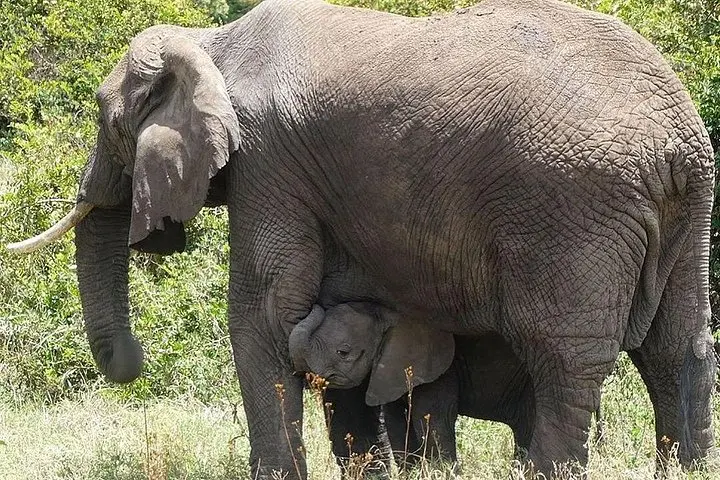
Dawn pulls the horizon into a thin gold line as the Land Cruiser rolls out of Arusha, headlights cutting through cool air and the distant chorus of early birds. On day one the vehicle bumps along red earth toward Tarangire, where baobabs squat like ancient guardians and termite mounds rise like earthen sculptures; elephants move with deliberate purpose, and the bush seems to lean in to watch you pass.
Dawn pulls the horizon into a thin gold line as the Land Cruiser rolls out of Arusha, headlights cutting through cool air and the distant chorus of early birds. On day one the vehicle bumps along red earth toward Tarangire, where baobabs squat like ancient guardians and termite mounds rise like earthen sculptures; elephants move with deliberate purpose, and the bush seems to lean in to watch you pass.
This loop threads together distinct landscapes and histories: Tarangire’s river-fed mosaic, the volcanic collapse of Ngorongoro which formed a shallow caldera teeming with life, and Lake Manyara’s alkaline edge where flamingos stain the shallows pink. The Maasai have grazed these plains for generations; their presence and pastoral patterns still shape movement of wildlife and access to grazing lands.
Geology is visible at every turn—the crater’s rim is a raised rim of basalt and tuff, offering a natural amphitheater for large mammals; Tarangire’s floodplain changes character seasonally, alternately drawing herds and wading birds.
Practically: expect long game-drive days in an open-roof 4x4, basic tented sleeping with mattresses provided, and picnic lunches inside protected areas. Carry layered clothing for cool mornings and hot afternoons, sun protection, and motion-sickness remedies for dusty roads. Wildlife viewing is best in the dry months (June–October) when animals concentrate around water, but each season offers different encounters: migratory birds in the rains, newborn ungulates in the short rains.
Guides handle permits and routes; visitors should bring copies of travel documents, a small daypack for binoculars and water, and an attitude ready for early starts and slow, patient observation—here the landscape often decides the pace.