THE ADVENTURE COLLECTIVE® · Independent discovery and booking for outdoor travel

A focused four‑day loop from Arusha into Serengeti and Ngorongoro that maximizes game‑drive time and minimizes transit. Expect long drives, early starts, and high odds of seeing lions, wildebeest and the crater’s dense wildlife.
A focused four‑day loop from Arusha into Serengeti and Ngorongoro that maximizes game‑drive time and minimizes transit. Expect long drives, early starts, and high odds of seeing lions, wildebeest and the crater’s dense wildlife.
Morning light in Arusha feels deliberate: vendors fold canvas, the Land Cruiser hums, and the road stretches toward a horizon shaped by kopjes and acacia silhouettes. By mid-morning you cross broad, sun-baked plains; the Serengeti’s grasses lean and whisper, and game tracks braid toward water. Late afternoons bring the best drives—gold light catching a lion pride, wildebeest threading across a river, and the air tasting faintly of dust and diesel.
Verified experiences and guided adventures in the surrounding area.
Operated by Three Peaks Tanzania Safari ltd · Arusha, Arusha Region
Morning light in Arusha feels deliberate: vendors fold canvas, the Land Cruiser hums, and the road stretches toward a horizon shaped by kopjes and acacia silhouettes. By mid-morning you cross broad, sun-baked plains; the Serengeti’s grasses lean and whisper, and game tracks braid toward water. Late afternoons bring the best drives—gold light catching a lion pride, wildebeest threading across a river, and the air tasting faintly of dust and diesel.
Geology and human history are literally written in the landscape. The Serengeti’s flat expanse is volcanic ash and sediment ground down over millennia; the Ngorongoro Crater is a collapsed volcano whose 600‑metre walls cradle a dense, year‑round ecosystem. Maasai culture remains visible on the rangelands—cattle, beaded jewelry, and seasonal grazing patterns that shape wildlife movement.
Expect daily game drives from a lodge or tented camp, drives that concentrate around river corridors like Seronera where leopards and lions favor shade. Guides read spoor and use vehicle height for long views; you’ll spend hours watching behavior rather than ticking species boxes. Practical notes: Arusha to central Serengeti is roughly 320 km (5–7 hours by road depending on stops), while a Ngorongoro crater visit involves a steep descent and ascent—wear good shoes.
Pack binoculars, sun protection, and layers; plan for bumpy rides, early starts and mid‑day rests. Respect park rules—stay in vehicles unless at designated walking spots—and let the guide set the pace. This four‑day loop delivers high odds on big cats, immense herds, and a clear sense of how geology and culture shape East Africa’s wild heart.
The dry season (June–October) concentrates animals at water sources and offers easier road conditions, though migration timing varies through the year.
Expect roughly 320 km and 5–7 hours by road depending on route and stops; some operators use internal flights to save time.
This itinerary includes park fees, most meals stated (breakfast, lunch, dinners as listed), transfers and professional guide—confirm specific inclusions before booking.
Vehicles and lodges are generally accommodating, but crater descent/ascent and bumpy roads may challenge very young children or guests with limited mobility—check accessibility options ahead of time.
Three Peaks Tanzania Safari ltd operates guided outdoor trips and adventures with an emphasis on safety, stewardship, and memorable experiences.

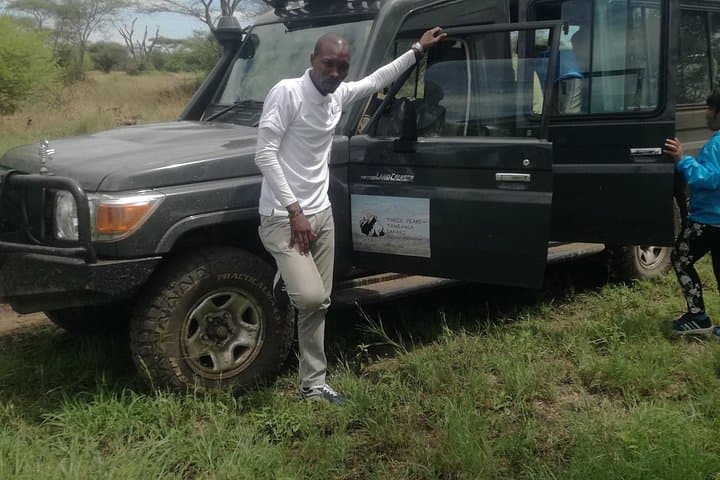
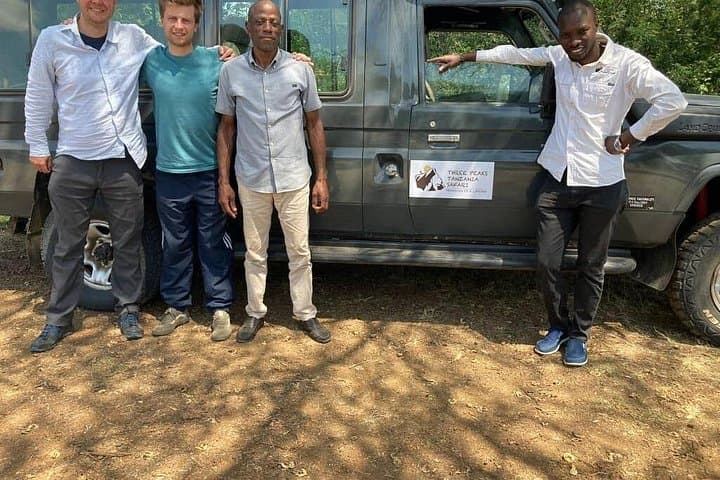
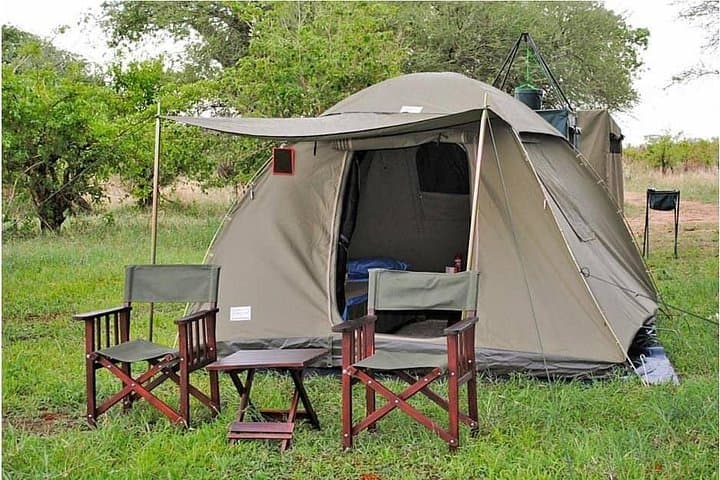
Morning light in Arusha feels deliberate: vendors fold canvas, the Land Cruiser hums, and the road stretches toward a horizon shaped by kopjes and acacia silhouettes. By mid-morning you cross broad, sun-baked plains; the Serengeti’s grasses lean and whisper, and game tracks braid toward water. Late afternoons bring the best drives—gold light catching a lion pride, wildebeest threading across a river, and the air tasting faintly of dust and diesel.
Morning light in Arusha feels deliberate: vendors fold canvas, the Land Cruiser hums, and the road stretches toward a horizon shaped by kopjes and acacia silhouettes. By mid-morning you cross broad, sun-baked plains; the Serengeti’s grasses lean and whisper, and game tracks braid toward water. Late afternoons bring the best drives—gold light catching a lion pride, wildebeest threading across a river, and the air tasting faintly of dust and diesel.
Geology and human history are literally written in the landscape. The Serengeti’s flat expanse is volcanic ash and sediment ground down over millennia; the Ngorongoro Crater is a collapsed volcano whose 600‑metre walls cradle a dense, year‑round ecosystem. Maasai culture remains visible on the rangelands—cattle, beaded jewelry, and seasonal grazing patterns that shape wildlife movement.
Expect daily game drives from a lodge or tented camp, drives that concentrate around river corridors like Seronera where leopards and lions favor shade. Guides read spoor and use vehicle height for long views; you’ll spend hours watching behavior rather than ticking species boxes. Practical notes: Arusha to central Serengeti is roughly 320 km (5–7 hours by road depending on stops), while a Ngorongoro crater visit involves a steep descent and ascent—wear good shoes.
Pack binoculars, sun protection, and layers; plan for bumpy rides, early starts and mid‑day rests. Respect park rules—stay in vehicles unless at designated walking spots—and let the guide set the pace. This four‑day loop delivers high odds on big cats, immense herds, and a clear sense of how geology and culture shape East Africa’s wild heart.