THE ADVENTURE COLLECTIVE® · Independent discovery and booking for outdoor travel

Four days of game drives link Tarangire’s elephant herds, the Serengeti’s sweeping plains, and Ngorongoro’s crater bowl. Read on for what to expect from mornings at the rim to nights at Seronera campsite.
Four days of game drives link Tarangire’s elephant herds, the Serengeti’s sweeping plains, and Ngorongoro’s crater bowl. Read on for what to expect from mornings at the rim to nights at Seronera campsite.
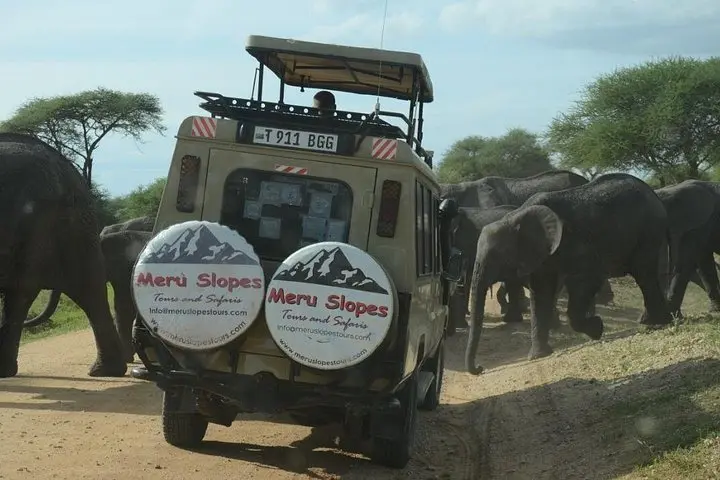
You step into dawn on the dirt road out of Arusha as the jeep hums toward a landscape that seems to wake by degrees: baobabs outlined against a pale sky, a distant dust plume where a herd moves. By midday at Tarangire the land takes on heat and motion—elephants test the dry riverbed while small antelope edge the shaded acacia.
Verified experiences and guided adventures in the surrounding area.
Operated by MERU SLOPES TOURS AND SAFARIS · Arusha, Arusha Region
You step into dawn on the dirt road out of Arusha as the jeep hums toward a landscape that seems to wake by degrees: baobabs outlined against a pale sky, a distant dust plume where a herd moves. By midday at Tarangire the land takes on heat and motion—elephants test the dry riverbed while small antelope edge the shaded acacia.
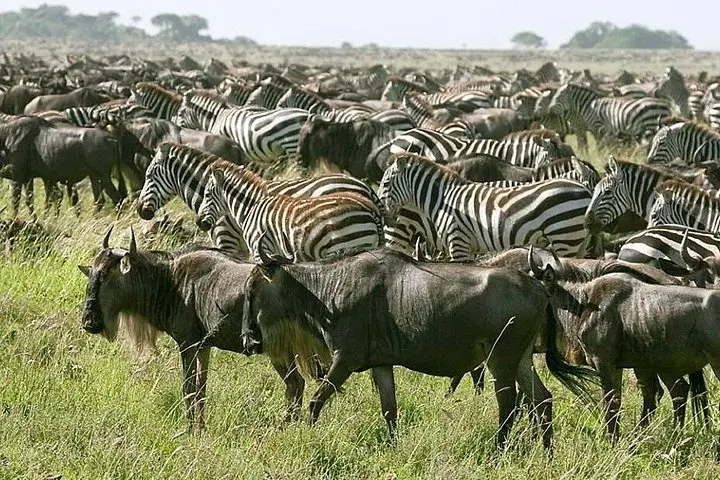
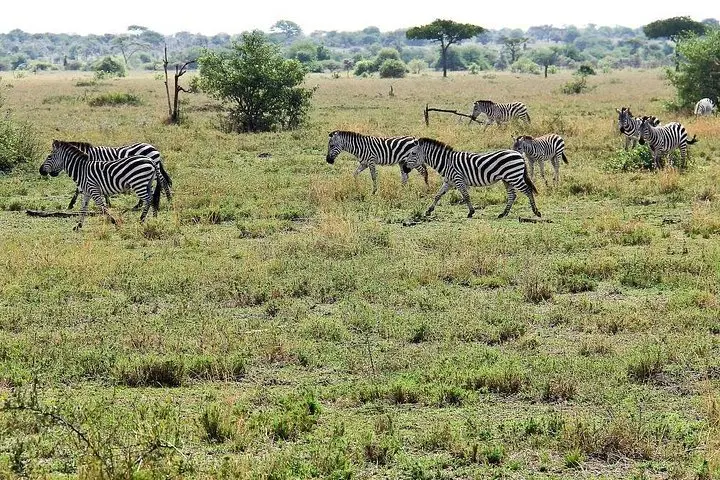
This four-day loop threads three of Tanzania’s signature conservation areas. Tarangire's leathery baobabs and seasonal rivers support large elephant herds; the Serengeti unfolds as the “endless plain,” shaped by floodplain geology and the slow march of the great migration; and Ngorongoro is a caldera—one of the world’s largest intact volcanic craters—boasting concentrated wildlife because of its natural bowl and diverse microhabitats. The Iraqw and Maasai peoples have grazed and guided in these highlands for generations; you’ll notice terraced farms and pastoralists on the drive through the Ngorongoro Conservation Area.
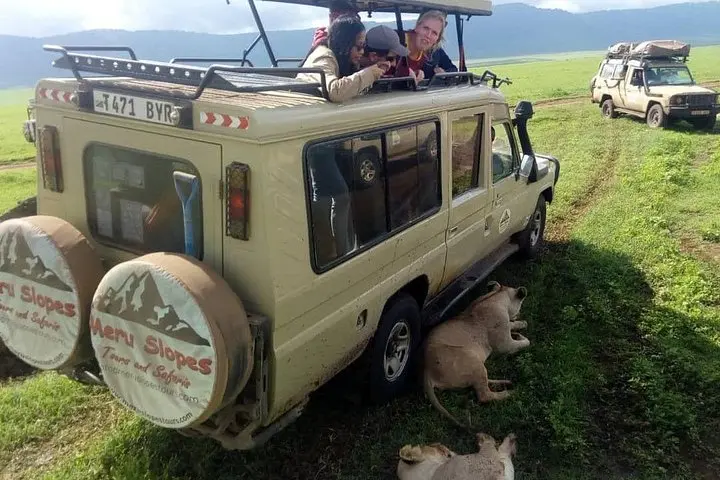
Expect long game-drive windows from sunrise and golden-hour viewing at Seronera and the crater rim, short walks near camps, and nights at simple campsites on or near park boundaries. Practical notes: carry binoculars and camera with a long lens, hydrate and layer for chilly desert mornings and hot afternoons, and prepare for bumpy roads—motions that demand patience but often yield close predator-prey encounters. Wildlife viewing is seasonal—plan around migration timing if crossings are a priority. Bookings commonly include guide and some accommodations; verify park entrance fees and vehicle wifi ahead of departure.
This itinerary notes Ngorongoro admission as included for the crater visit; confirm whether Tarangire and Serengeti park fees are covered when booking.
Expect full-day game drives of several hours in each park with breaks for lunch—long travel legs between parks occur on days 2 and 3.
The tour can accommodate families and infant seats are available, but check with the operator about age restrictions and vaccination recommendations.
Migration timing shifts by year: river crossings in northern Serengeti are often May–July; calving in the south is usually Jan–Mar—plan seasonally for crossings or calving.
MERU SLOPES TOURS AND SAFARIS operates guided outdoor trips and adventures with an emphasis on safety, stewardship, and memorable experiences.
You step into dawn on the dirt road out of Arusha as the jeep hums toward a landscape that seems to wake by degrees: baobabs outlined against a pale sky, a distant dust plume where a herd moves. By midday at Tarangire the land takes on heat and motion—elephants test the dry riverbed while small antelope edge the shaded acacia.
You step into dawn on the dirt road out of Arusha as the jeep hums toward a landscape that seems to wake by degrees: baobabs outlined against a pale sky, a distant dust plume where a herd moves. By midday at Tarangire the land takes on heat and motion—elephants test the dry riverbed while small antelope edge the shaded acacia.
This four-day loop threads three of Tanzania’s signature conservation areas. Tarangire's leathery baobabs and seasonal rivers support large elephant herds; the Serengeti unfolds as the “endless plain,” shaped by floodplain geology and the slow march of the great migration; and Ngorongoro is a caldera—one of the world’s largest intact volcanic craters—boasting concentrated wildlife because of its natural bowl and diverse microhabitats. The Iraqw and Maasai peoples have grazed and guided in these highlands for generations; you’ll notice terraced farms and pastoralists on the drive through the Ngorongoro Conservation Area.
Expect long game-drive windows from sunrise and golden-hour viewing at Seronera and the crater rim, short walks near camps, and nights at simple campsites on or near park boundaries. Practical notes: carry binoculars and camera with a long lens, hydrate and layer for chilly desert mornings and hot afternoons, and prepare for bumpy roads—motions that demand patience but often yield close predator-prey encounters. Wildlife viewing is seasonal—plan around migration timing if crossings are a priority. Bookings commonly include guide and some accommodations; verify park entrance fees and vehicle wifi ahead of departure.