THE ADVENTURE COLLECTIVE® · Independent discovery and booking for outdoor travel

Explore Arusha’s markets, colonial corners, and lake viewpoints with a local guide—then use the town as your launch point to Arusha National Park and the northern safari circuit. This private, full-day tour blends culture, geology, and practical logistics.
Explore Arusha’s markets, colonial corners, and lake viewpoints with a local guide—then use the town as your launch point to Arusha National Park and the northern safari circuit. This private, full-day tour blends culture, geology, and practical logistics.
You step from the shade of a jacaranda tree into a wide avenue framed by red-earth buildings and the distant bulk of Mount Meru. The air is high and dry—Arusha’s streets hum with market calls, motorbikes threading between minibuses, and the scent of fresh coffee roasting in roadside stalls.
Verified experiences and guided adventures in the surrounding area.
Operated by Travel Africa Safari Agency · Arusha, Arusha Region
You step from the shade of a jacaranda tree into a wide avenue framed by red-earth buildings and the distant bulk of Mount Meru. The air is high and dry—Arusha’s streets hum with market calls, motorbikes threading between minibuses, and the scent of fresh coffee roasting in roadside stalls.
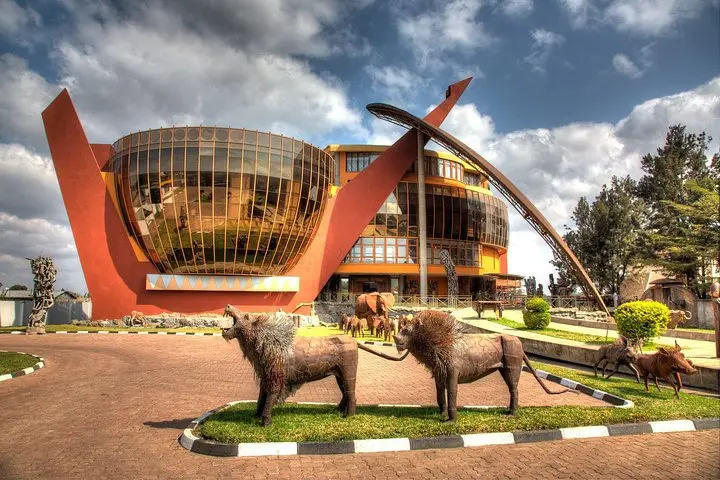
This half-day private town tour moves between colonial-era architecture, a lively central market, and vantage points that put Kilimanjaro and Meru in the same view. Arusha grew from caravan and coffee routes into the administrative hub it is today; the city’s layout and museums reflect both East African trade routes and the post-independence politics that shaped Tanzania.
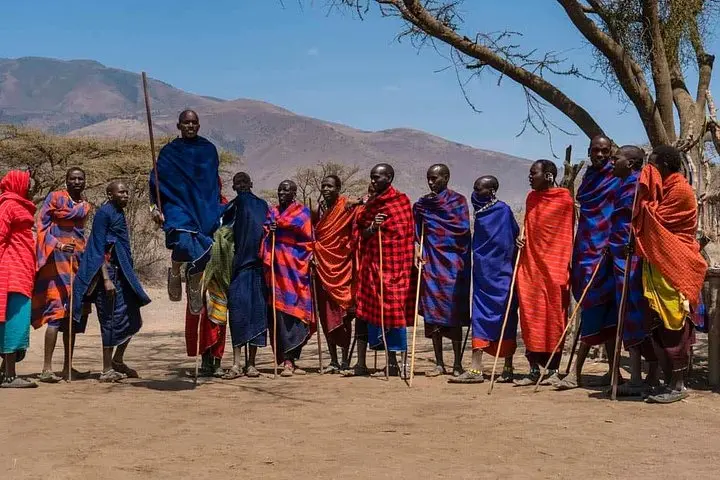
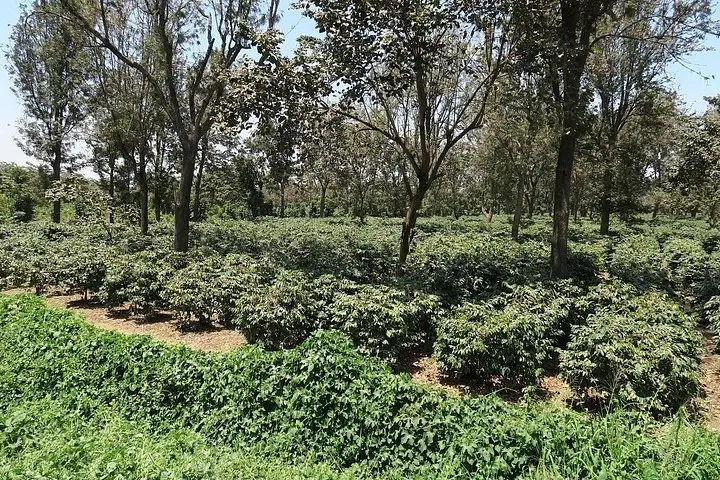
Geologically, you’re on the rift’s raised shoulders: volcanic soils support coffee farms and the nearby crater-forest lakes—Lake Duluti a quiet, tree-fringed bowl where birds and colobus monkeys mark the canopy. Local Maasai culture remains visible in shops and villages on the town edge, and your English-speaking guide will thread context into each stop.
Practical guidance: expect 6–7 hours on a mix of paved streets and compacted dirt tracks at roughly 1,400 m elevation; light walking of 2–4 miles total. Wear closed-toe shoes, sun protection, and carry water—the sun can climb fast. Most entry fees and a boxed lunch are included and a free airport pickup is standard with the tour. The route is wheelchair-accessible in parts, but some market alleys and viewpoints use uneven ground. Plan your visit in the cooler morning or late afternoon for easier walking and clearer mountain views.
The private tour runs about 6–7 hours (roughly 390 minutes) and includes stops, a boxed lunch, and most admission fees.
Yes—free airport pickup from Kilimanjaro International Airport to the Arusha office is provided as part of the service.
Parts of the route and transportation are wheelchair-accessible, but some market areas and viewpoints have uneven ground—contact the operator to confirm specifics.
A professional English-speaking guide is provided and box lunch, admission fees and local taxes are included in the tour price.
Travel Africa Safari Agency operates guided outdoor trips and adventures with an emphasis on safety, stewardship, and memorable experiences.
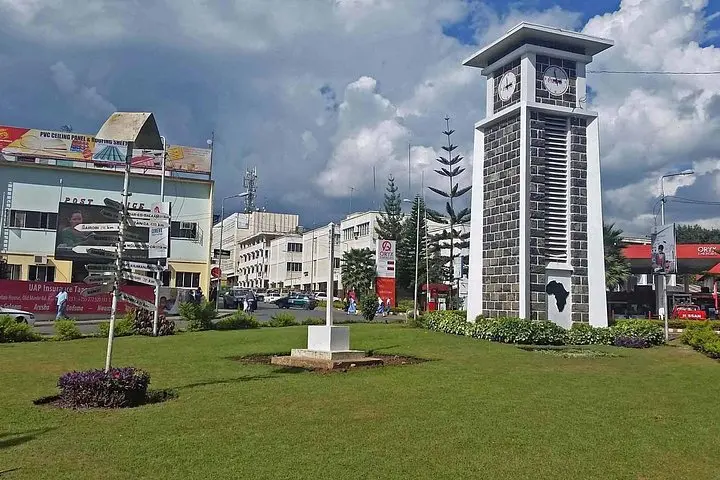
You step from the shade of a jacaranda tree into a wide avenue framed by red-earth buildings and the distant bulk of Mount Meru. The air is high and dry—Arusha’s streets hum with market calls, motorbikes threading between minibuses, and the scent of fresh coffee roasting in roadside stalls.
You step from the shade of a jacaranda tree into a wide avenue framed by red-earth buildings and the distant bulk of Mount Meru. The air is high and dry—Arusha’s streets hum with market calls, motorbikes threading between minibuses, and the scent of fresh coffee roasting in roadside stalls.
This half-day private town tour moves between colonial-era architecture, a lively central market, and vantage points that put Kilimanjaro and Meru in the same view. Arusha grew from caravan and coffee routes into the administrative hub it is today; the city’s layout and museums reflect both East African trade routes and the post-independence politics that shaped Tanzania.
Geologically, you’re on the rift’s raised shoulders: volcanic soils support coffee farms and the nearby crater-forest lakes—Lake Duluti a quiet, tree-fringed bowl where birds and colobus monkeys mark the canopy. Local Maasai culture remains visible in shops and villages on the town edge, and your English-speaking guide will thread context into each stop.
Practical guidance: expect 6–7 hours on a mix of paved streets and compacted dirt tracks at roughly 1,400 m elevation; light walking of 2–4 miles total. Wear closed-toe shoes, sun protection, and carry water—the sun can climb fast. Most entry fees and a boxed lunch are included and a free airport pickup is standard with the tour. The route is wheelchair-accessible in parts, but some market alleys and viewpoints use uneven ground. Plan your visit in the cooler morning or late afternoon for easier walking and clearer mountain views.