THE ADVENTURE COLLECTIVE® · Independent discovery and booking for outdoor travel

Descend into one of the world’s largest intact calderas for a full-day game drive that routinely delivers the Big Five. This eight-hour safari from Arusha combines dramatic geology with concentrated wildlife viewing and a picnic beside a hippo pool.
Descend into one of the world’s largest intact calderas for a full-day game drive that routinely delivers the Big Five. This eight-hour safari from Arusha combines dramatic geology with concentrated wildlife viewing and a picnic beside a hippo pool.
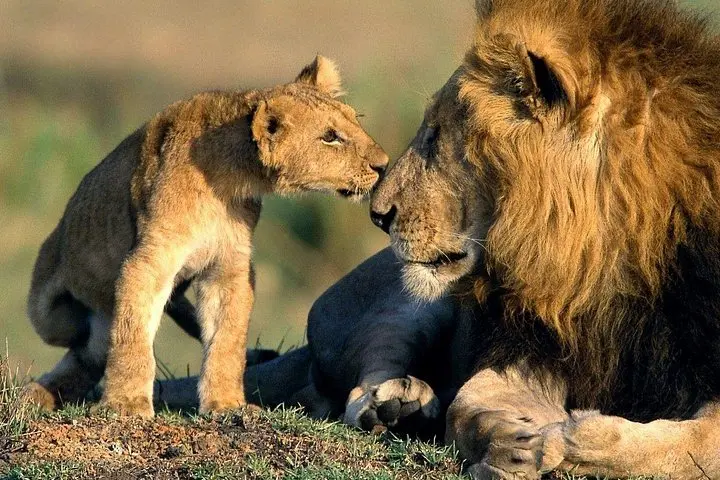
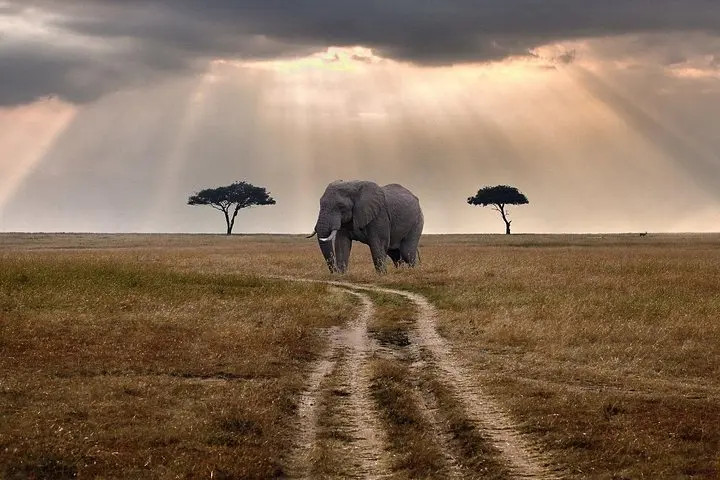
Dawn lifts over the rim as the vehicle winds toward a bowl carved by violence and time—the Ngorongoro Crater. You descend onto the crater floor and the air changes: cooler, filled with dust and the low calls of grazing herds. Early light picks out distant silhouettes—elephants crossing flat grasslands, a lion lounging near a hyena track, flaming pink rims on the soda lake.
Verified experiences and guided adventures in the surrounding area.
Operated by Kanje grand tours · Karatu, Arusha Region
Dawn lifts over the rim as the vehicle winds toward a bowl carved by violence and time—the Ngorongoro Crater. You descend onto the crater floor and the air changes: cooler, filled with dust and the low calls of grazing herds. Early light picks out distant silhouettes—elephants crossing flat grasslands, a lion lounging near a hyena track, flaming pink rims on the soda lake.
Geology here is plain in scale: an intact volcanic caldera nearly 20 km across, formed when a massive volcano collapsed about 2–3 million years ago. Culturally the crater sits within the Ngorongoro Conservation Area, a UNESCO World Heritage site where Maasai people graze cattle on ancient slopes and wildlife move with a seasonal predictability. History and stewardship are visible in the rim roads, conservation posts, and the patchwork of crater ecosystems—grass plains, hippo pools, and small acacia copses.
Practical guidance: tours typically start early from Arusha or Karatu and run about eight hours, with game drives and a picnic lunch at Ngoitokok Hippo Pool. Roads on the floor are rutted; expect a bumpy ride and long periods in the vehicle between sightings. Bring binoculars, layered clothing for changing temperatures, sun protection, and a charged camera. Keep to tracks, respect distance rules around animals, and be prepared for minimal cell coverage.
A day here is efficient wildlife viewing: everything from black rhino sightings (rare) to flocks of lesser flamingos on the soda lake, with a rhythm dictated by the animals rather than your watch. Plan an early start, steady patience, and leave with more questions than answers—this crater encourages curiosity.
Most organized tours include park fees, taxes and the Ngorongoro entry; confirm at booking and carry a copy of your receipt.
This full-day itinerary runs about eight hours—pick-up around 6:00am with a return to Arusha mid- to late-afternoon (roughly 3:00–4:00pm).
The drive is family-friendly but involves long periods in a vehicle; limited mobility guests should check vehicle access and request assistance during booking.
Expect resident species like zebra, wildebeest, elephant, buffalo, lions and frequently hippos at wetlands; black rhino and leopard sightings are possible but less common.
Kanje grand tours operates guided outdoor trips and adventures with an emphasis on safety, stewardship, and memorable experiences.
Dawn lifts over the rim as the vehicle winds toward a bowl carved by violence and time—the Ngorongoro Crater. You descend onto the crater floor and the air changes: cooler, filled with dust and the low calls of grazing herds. Early light picks out distant silhouettes—elephants crossing flat grasslands, a lion lounging near a hyena track, flaming pink rims on the soda lake.
Dawn lifts over the rim as the vehicle winds toward a bowl carved by violence and time—the Ngorongoro Crater. You descend onto the crater floor and the air changes: cooler, filled with dust and the low calls of grazing herds. Early light picks out distant silhouettes—elephants crossing flat grasslands, a lion lounging near a hyena track, flaming pink rims on the soda lake.
Geology here is plain in scale: an intact volcanic caldera nearly 20 km across, formed when a massive volcano collapsed about 2–3 million years ago. Culturally the crater sits within the Ngorongoro Conservation Area, a UNESCO World Heritage site where Maasai people graze cattle on ancient slopes and wildlife move with a seasonal predictability. History and stewardship are visible in the rim roads, conservation posts, and the patchwork of crater ecosystems—grass plains, hippo pools, and small acacia copses.
Practical guidance: tours typically start early from Arusha or Karatu and run about eight hours, with game drives and a picnic lunch at Ngoitokok Hippo Pool. Roads on the floor are rutted; expect a bumpy ride and long periods in the vehicle between sightings. Bring binoculars, layered clothing for changing temperatures, sun protection, and a charged camera. Keep to tracks, respect distance rules around animals, and be prepared for minimal cell coverage.
A day here is efficient wildlife viewing: everything from black rhino sightings (rare) to flocks of lesser flamingos on the soda lake, with a rhythm dictated by the animals rather than your watch. Plan an early start, steady patience, and leave with more questions than answers—this crater encourages curiosity.