THE ADVENTURE COLLECTIVE® · Independent discovery and booking for outdoor travel

The Lemosho Route offers a measured, scenic climb to Uhuru Peak with extra days for acclimatization and expansive views of Kibo and the Shira Plateau. This 8-day itinerary balances demanding summit hours with slower days that prepare your body and senses for the altitude. Read on for what to expect on trail, how to pack, and local tips that make the difference at high elevation.
The Lemosho Route offers a measured, scenic climb to Uhuru Peak with extra days for acclimatization and expansive views of Kibo and the Shira Plateau. This 8-day itinerary balances demanding summit hours with slower days that prepare your body and senses for the altitude. Read on for what to expect on trail, how to pack, and local tips that make the difference at high elevation.
You arrive in Arusha to a sky the color of washed denim and a mountain that refuses to hide. Kilimanjaro sits like a slow-moving ship on the horizon — Kibo’s snow-cap gleaming by day, a cold crown that seems to breathe. From the Londorossi Gate the trail slips into rainforest: wet leaves that slick your boots, the chatter of colobus monkeys overhead, and porters who move like practiced choreography, folding tents and preparing meals with an economy of motion.
Verified experiences and guided adventures in the surrounding area.
Operated by Rupia Adventure · Arusha, Arusha Region
You arrive in Arusha to a sky the color of washed denim and a mountain that refuses to hide. Kilimanjaro sits like a slow-moving ship on the horizon — Kibo’s snow-cap gleaming by day, a cold crown that seems to breathe. From the Londorossi Gate the trail slips into rainforest: wet leaves that slick your boots, the chatter of colobus monkeys overhead, and porters who move like practiced choreography, folding tents and preparing meals with an economy of motion.
By day three the forest loosens its grip and the landscape opens into the Shira Plateau, a high moorland where Lobelia and giant Senecio stand like weathered sentries. The route climbs over lava fields and ridgelines, crosses the Lava Tower to sleep lower and acclimatize, then negotiates the dramatic Barranco Wall — hands-on scrambling that tests balance and temperament more than technical skill. The summit push begins at midnight from Barafu Camp: a long, slow march up scree toward Stella Point and the crater rim, where the sky lightens and Uhuru Peak rewards the patient with daylight that seems to redraw the world.
Kilimanjaro is an ancient stratovolcano made of three cones — Shira, Mawenzi and Kibo — whose eruptions and glacial sculpting created the terrain you traverse. The mountain is also a cultural landscape: the Chagga people have farmed the lower slopes for generations, and you’ll see their terraced fields and hear stories from guides who grew up in nearby villages. European mountaineers first recorded a summit in 1889, and since then the mountain’s glaciers have been retreating — a sharp, visible sign of regional climate change.
Practical guide: the Lemosho route is a longer, gentler approach that gives your body time to acclimatize — expect about 60–70 km round-trip and a net gain of roughly 3,600 meters from Londorossi Gate (≈2,250m) to Uhuru Peak (5,895m). Terrain shifts from muddy rainforest to rocky moorland to high alpine scree; hiking lasts 4–7 hours on most days with one summit night that can be 10–14 hours of continuous effort. Hydration and pacing are your allies: sip frequently, eat small snacks, and move deliberately on scree. Footwear should be broken-in boots with good ankle support; trekking poles reduce knee strain and improve traction. Altitude affects people unpredictably — know symptoms of AMS, communicate with guides, and accept their pacing. Expect camping in crew-run sites; tent and sleeping systems are provided by operators but confirm sleeping bag ratings. Permits, park fees and mandatory guides are included with reputable operators; plan tips for guides and porters into your budget. Respect the mountain: pack out non-biodegradable waste and follow leave-no-trace practices so Kilimanjaro can continue to test and thrill the next climbers.
No technical climbing experience is required, but prior multi-day hikes and good fitness improve comfort and success; acclimatization is the key factor.
June–October and January–February are the driest and most stable windows; visibility and trail conditions are generally better then.
Symptoms vary—headache, nausea and fatigue are common; the 8-day Lemosho schedule increases your odds of acclimatizing, but communicate symptoms early to your guide.
Professional operators include guides, cooks and porters in the package; confirm exact inclusions and tipping guidelines before travel.
You need a Kilimanjaro National Park permit and a guide; reputable outfitters handle permits and park fees as part of the booking.
Tipping is customary and an important part of crew income—budget roughly $150–$250 per climber to be shared among guides, cooks and porters, adjusted by group size and service.
Rupia Adventure operates guided outdoor trips and adventures with an emphasis on safety, stewardship, and memorable experiences.
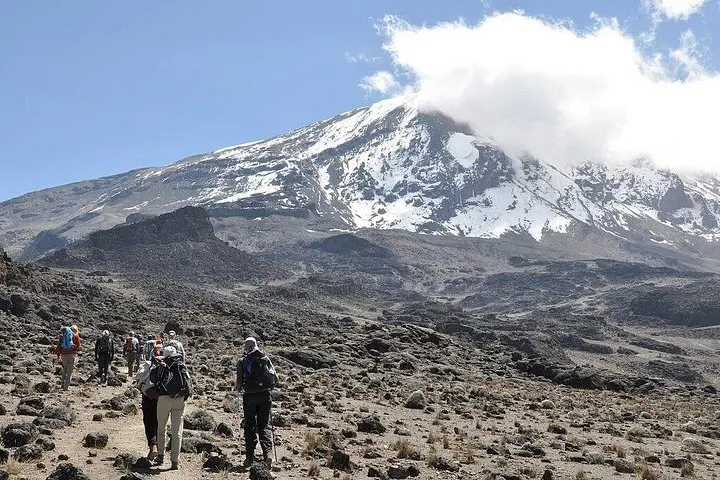
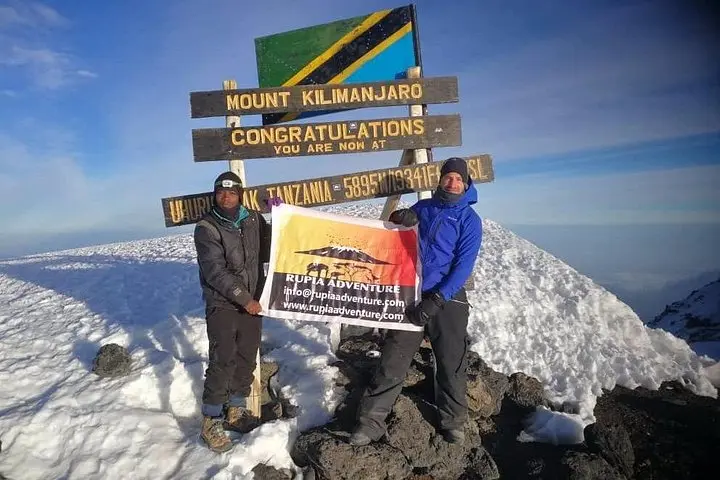
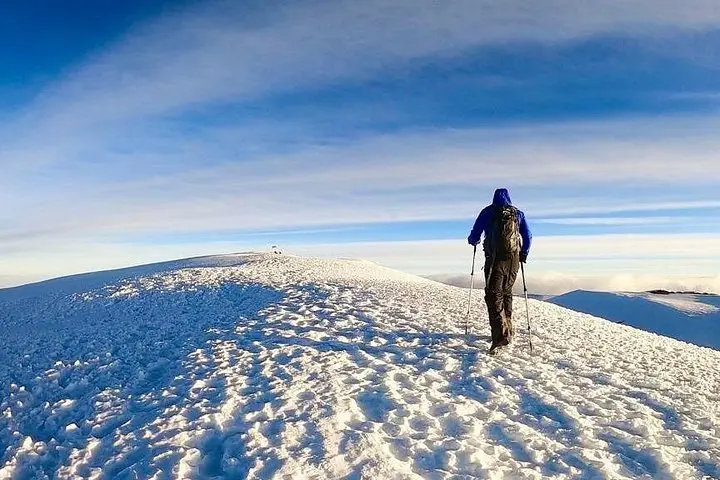
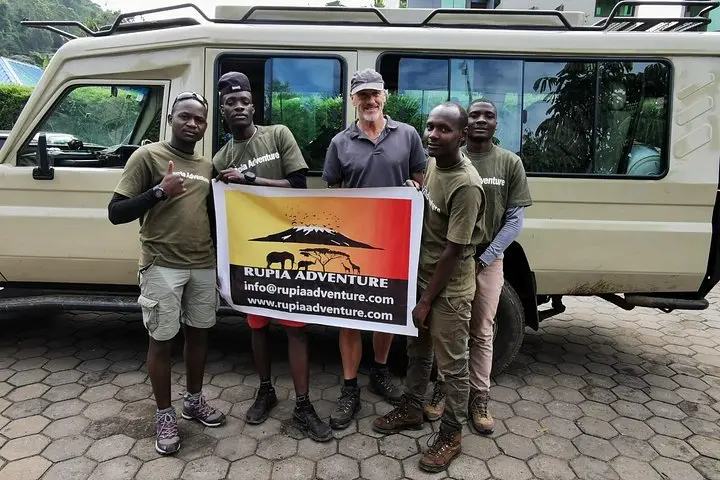
You arrive in Arusha to a sky the color of washed denim and a mountain that refuses to hide. Kilimanjaro sits like a slow-moving ship on the horizon — Kibo’s snow-cap gleaming by day, a cold crown that seems to breathe. From the Londorossi Gate the trail slips into rainforest: wet leaves that slick your boots, the chatter of colobus monkeys overhead, and porters who move like practiced choreography, folding tents and preparing meals with an economy of motion.
You arrive in Arusha to a sky the color of washed denim and a mountain that refuses to hide. Kilimanjaro sits like a slow-moving ship on the horizon — Kibo’s snow-cap gleaming by day, a cold crown that seems to breathe. From the Londorossi Gate the trail slips into rainforest: wet leaves that slick your boots, the chatter of colobus monkeys overhead, and porters who move like practiced choreography, folding tents and preparing meals with an economy of motion.
By day three the forest loosens its grip and the landscape opens into the Shira Plateau, a high moorland where Lobelia and giant Senecio stand like weathered sentries. The route climbs over lava fields and ridgelines, crosses the Lava Tower to sleep lower and acclimatize, then negotiates the dramatic Barranco Wall — hands-on scrambling that tests balance and temperament more than technical skill. The summit push begins at midnight from Barafu Camp: a long, slow march up scree toward Stella Point and the crater rim, where the sky lightens and Uhuru Peak rewards the patient with daylight that seems to redraw the world.
Kilimanjaro is an ancient stratovolcano made of three cones — Shira, Mawenzi and Kibo — whose eruptions and glacial sculpting created the terrain you traverse. The mountain is also a cultural landscape: the Chagga people have farmed the lower slopes for generations, and you’ll see their terraced fields and hear stories from guides who grew up in nearby villages. European mountaineers first recorded a summit in 1889, and since then the mountain’s glaciers have been retreating — a sharp, visible sign of regional climate change.
Practical guide: the Lemosho route is a longer, gentler approach that gives your body time to acclimatize — expect about 60–70 km round-trip and a net gain of roughly 3,600 meters from Londorossi Gate (≈2,250m) to Uhuru Peak (5,895m). Terrain shifts from muddy rainforest to rocky moorland to high alpine scree; hiking lasts 4–7 hours on most days with one summit night that can be 10–14 hours of continuous effort. Hydration and pacing are your allies: sip frequently, eat small snacks, and move deliberately on scree. Footwear should be broken-in boots with good ankle support; trekking poles reduce knee strain and improve traction. Altitude affects people unpredictably — know symptoms of AMS, communicate with guides, and accept their pacing. Expect camping in crew-run sites; tent and sleeping systems are provided by operators but confirm sleeping bag ratings. Permits, park fees and mandatory guides are included with reputable operators; plan tips for guides and porters into your budget. Respect the mountain: pack out non-biodegradable waste and follow leave-no-trace practices so Kilimanjaro can continue to test and thrill the next climbers.