
Arusha National Park Day Trip: Game Drive to Momella Lakes & Ngurdoto Crater
Spend a full day exploring Arusha National Park by 4x4: bird-rich Momella Lakes, the volcanic Ngurdoto Crater and forested slopes of Mount Meru. This accessible day trip combines short walks and vehicle game drives with high chances for primates and grazing wildlife.
An Adventure In Arusha.
Spend a full day exploring Arusha National Park by 4x4: bird-rich Momella Lakes, the volcanic Ngurdoto Crater and forested slopes of Mount Meru. This accessible day trip combines short walks and vehicle game drives with high chances for primates and grazing wildlife.
Read the full experience
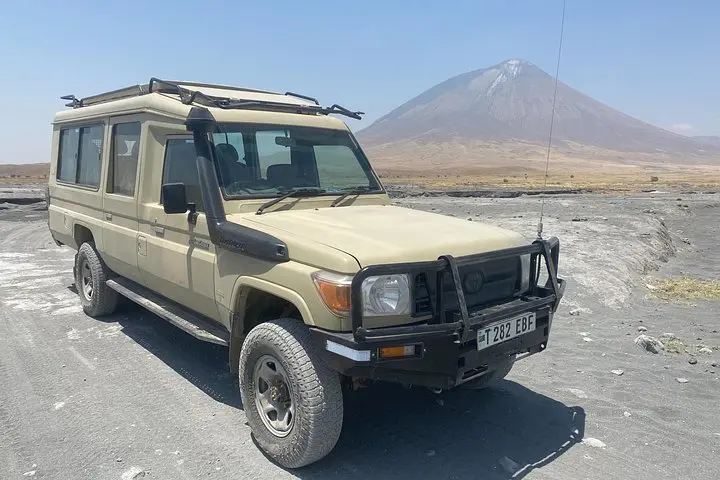
Dawn breaks over the saddle of Mount Meru as the safari vehicle pulls away from Arusha — cool air carrying the scent of coffee plantations and the distant murmur of birds. The drive into Arusha National Park moves from farmland into a corridor of acacia and montane forest, and by mid-morning the pop‑up roof opens and the landscape broadens: a chain of Momella’s alkaline lakes shimmer, and the Ngurdoto Crater’s steep rim frames a green bowl below.
Dawn breaks over the saddle of Mount Meru as the safari vehicle pulls away from Arusha — cool air carrying the scent of coffee plantations and the distant murmur of birds. The drive into Arusha National Park moves from farmland into a corridor of acacia and montane forest, and by mid-morning the pop‑up roof opens and the landscape broadens: a chain of Momella’s alkaline lakes shimmer, and the Ngurdoto Crater’s steep rim frames a green bowl below.
Arusha National Park was set aside to protect the northern slopes of Mount Meru and the park’s patchwork of ecosystems — riparian gallery forest, heath, grassland and crater lake basins shaped by volcanic activity. Geologically, the park sits on volcanic soils that feed the lakes and sustain pockets of endemic plants; culturally, the Maasai and Meru communities around Arusha maintain seasonal grazing and guide traditions that intersect with tourism.
On a typical day trip visitors can expect a guided 4x4 game drive, stops at Momella’s lakes for birdwatching, and a walk around Ngurdoto Crater’s rim or floor for closer views of buffalo and colobus monkeys. Sightings vary by season and time of day — mornings and late afternoons concentrate wildlife activity.
Practical notes: plan for an early start, carry layered clothing for cool mornings and hot afternoons, bring binoculars and a full camera battery, and respect park rules by staying on tracks and keeping distance from animals. Park fees fund conservation, so booking a guided, licensed operator ensures access and local economic benefit.
Frequently asked questions
The tour runs about 9 hours round trip from Arusha, including game drives, crater and lake stops and lunch.
This tour’s listed inclusions indicate that park entry fees are included in the price.
The trip is vehicle-based with short walks; it’s generally suitable for children and those who can get in and out of a 4x4, but it’s not recommended for people with serious spinal or heart conditions.
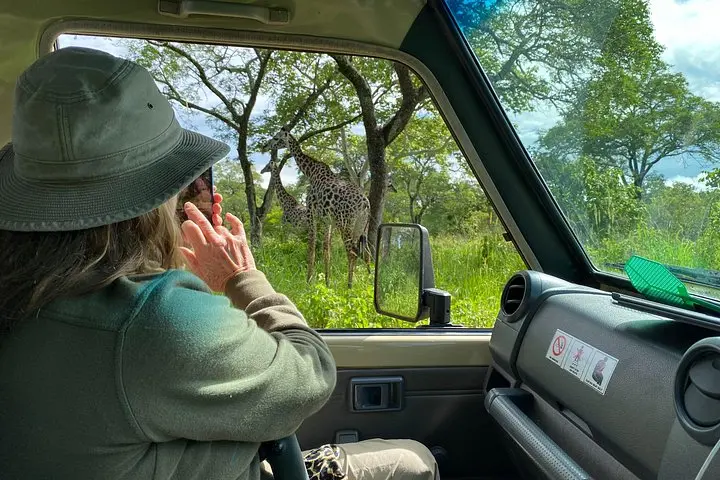
Common sightings include black-and-white colobus monkeys, giraffe, buffalo, warthog and a rich array of waterbirds at Momella Lakes; sightings vary by season and time of day.
About This Experience
Mali Kale Africa Safari's operates guided outdoor trips and adventures with an emphasis on safety, stewardship, and memorable experiences.
Adventure tips
Recommended gear
- Binoculars: Essential for spotting waterbirds, monkeys and distant grazers across the lakes.
- Sun hat & sunscreen: Strong equatorial sun makes protection necessary during midday stops.
- Light waterproof jacket: Useful during short rains or cool mornings on the crater rim.
- Spare camera battery & memory card: Long game drives and photo stops quickly drain power—swap batteries to avoid missed shots.
Photos of the experience
Related adventures & guides
Read the full experience
Dawn breaks over the saddle of Mount Meru as the safari vehicle pulls away from Arusha — cool air carrying the scent of coffee plantations and the distant murmur of birds. The drive into Arusha National Park moves from farmland into a corridor of acacia and montane forest, and by mid-morning the pop‑up roof opens and the landscape broadens: a chain of Momella’s alkaline lakes shimmer, and the Ngurdoto Crater’s steep rim frames a green bowl below.
Dawn breaks over the saddle of Mount Meru as the safari vehicle pulls away from Arusha — cool air carrying the scent of coffee plantations and the distant murmur of birds. The drive into Arusha National Park moves from farmland into a corridor of acacia and montane forest, and by mid-morning the pop‑up roof opens and the landscape broadens: a chain of Momella’s alkaline lakes shimmer, and the Ngurdoto Crater’s steep rim frames a green bowl below.
Arusha National Park was set aside to protect the northern slopes of Mount Meru and the park’s patchwork of ecosystems — riparian gallery forest, heath, grassland and crater lake basins shaped by volcanic activity. Geologically, the park sits on volcanic soils that feed the lakes and sustain pockets of endemic plants; culturally, the Maasai and Meru communities around Arusha maintain seasonal grazing and guide traditions that intersect with tourism.
On a typical day trip visitors can expect a guided 4x4 game drive, stops at Momella’s lakes for birdwatching, and a walk around Ngurdoto Crater’s rim or floor for closer views of buffalo and colobus monkeys. Sightings vary by season and time of day — mornings and late afternoons concentrate wildlife activity.
Practical notes: plan for an early start, carry layered clothing for cool mornings and hot afternoons, bring binoculars and a full camera battery, and respect park rules by staying on tracks and keeping distance from animals. Park fees fund conservation, so booking a guided, licensed operator ensures access and local economic benefit.
Make a day of it nearby.
Verified experiences and guided adventures in the surrounding area.