THE ADVENTURE COLLECTIVE® · Independent discovery and booking for outdoor travel

Drive from Arusha to a vast volcanic bowl where lions, elephants and flamingos share the floor. This full-day Ngorongoro Crater trip combines dramatic geology, Maasai culture and intense wildlife viewing—ideal for travelers who want a compact, high-impact safari.
Drive from Arusha to a vast volcanic bowl where lions, elephants and flamingos share the floor. This full-day Ngorongoro Crater trip combines dramatic geology, Maasai culture and intense wildlife viewing—ideal for travelers who want a compact, high-impact safari.
A cool dawn light breaks over the rim as your driver-guide eases the vehicle to a stop and the crater opens beneath you—an enormous bowl of grassland, forest pockets and a shimmering soda lake. The first rumble of wildlife stirs far below; lions stretch in the shade while a lone elephant moves like a slow shadow across the plain. This is Ngorongoro, a living caldera where geology meets wildlife drama.
Verified experiences and guided adventures in the surrounding area.
Operated by Rupia Adventure · Ngorongoro, Arusha Region
A cool dawn light breaks over the rim as your driver-guide eases the vehicle to a stop and the crater opens beneath you—an enormous bowl of grassland, forest pockets and a shimmering soda lake. The first rumble of wildlife stirs far below; lions stretch in the shade while a lone elephant moves like a slow shadow across the plain. This is Ngorongoro, a living caldera where geology meets wildlife drama.
Geologically the crater is an intact caldera formed when a massive volcano collapsed some two to three million years ago, leaving one of the world’s largest unbroken calderas. Culturally the area is shared with Maasai communities whose grazing traditions and conservation partnership shape how the landscape is managed today. History, stone and people have kept this place dynamic: grazing grasses feed wildebeest and zebra, while the soda lake attracts flocks of flamingos.
Practically, expect an early start from Arusha, a tarmac drive of roughly 3–4 hours each way and a full day (about 8 hours) inside the crater with game drives from the vehicle and short walk options near viewpoints. Wildlife viewing is best in the dry months when animals concentrate around water, but each season has its own light and behavior to observe. Essential logistics: park fees and vehicle rules are enforced, vehicles must stay on game tracks, and guides know where to find the Big Five and birds. Bring layered clothing for cool mornings, sun protection for midday, binoculars for distant herds and patience—the crater rewards those who watch quietly. With reliable guides and good timing, the Ngorongoro Crater day trip delivers a concentrated, world-class safari experience without overnight logistics.
Ngorongoro supports all Big Five species; sightings are common but not guaranteed—time, luck and animal movement affect encounters.
Check your booking details—many operators include park admission but some list it as an extra; confirm before travel.
Expect about 3–4 hours each way on paved roads to the conservation gate, plus time inside the crater—plan for a full 8–10 hour day.
Consult a travel health clinic before travel; malaria is present in the region and many travelers take prophylaxis and use mosquito protection in evenings.
Rupia Adventure operates guided outdoor trips and adventures with an emphasis on safety, stewardship, and memorable experiences.
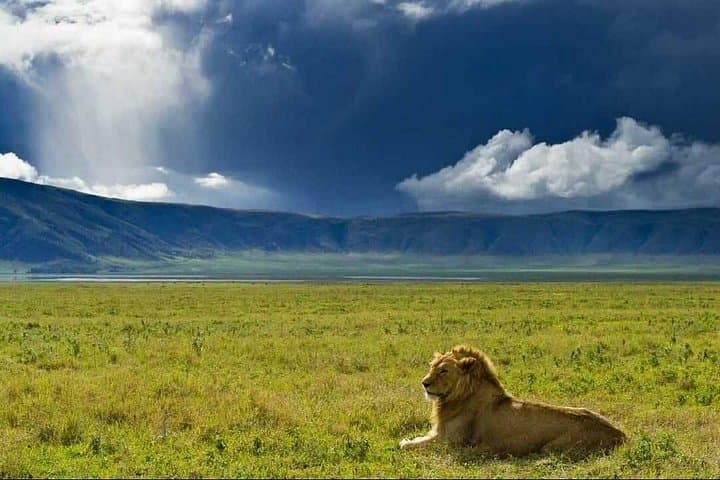
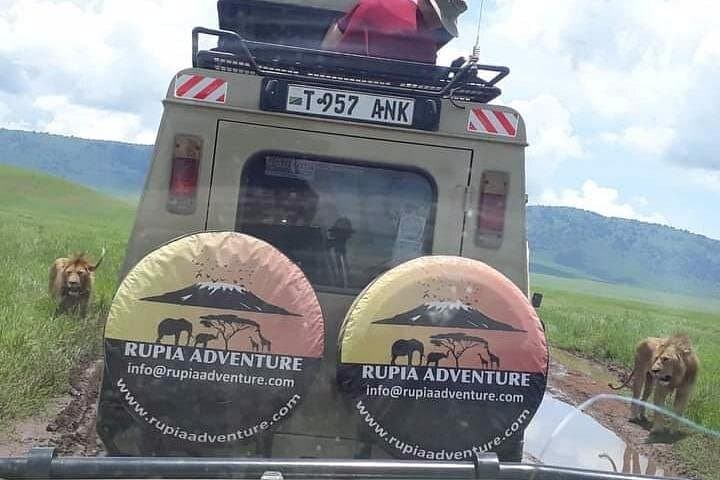
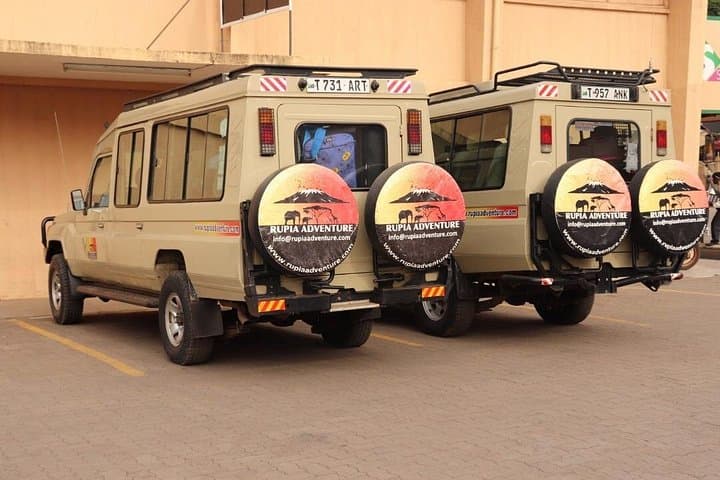
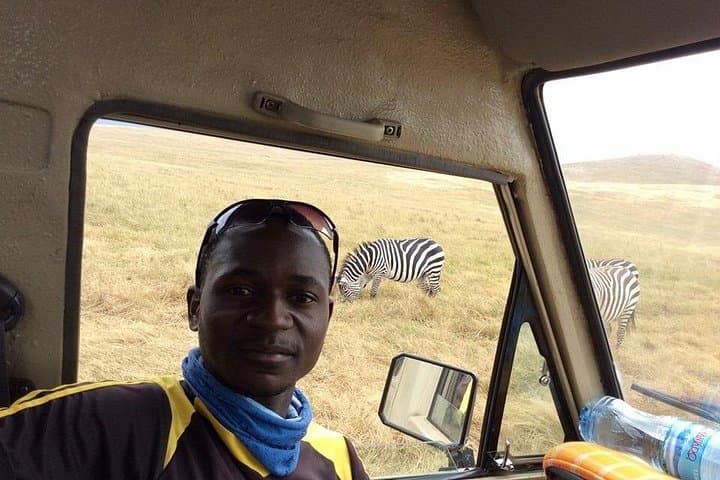
A cool dawn light breaks over the rim as your driver-guide eases the vehicle to a stop and the crater opens beneath you—an enormous bowl of grassland, forest pockets and a shimmering soda lake. The first rumble of wildlife stirs far below; lions stretch in the shade while a lone elephant moves like a slow shadow across the plain. This is Ngorongoro, a living caldera where geology meets wildlife drama.
A cool dawn light breaks over the rim as your driver-guide eases the vehicle to a stop and the crater opens beneath you—an enormous bowl of grassland, forest pockets and a shimmering soda lake. The first rumble of wildlife stirs far below; lions stretch in the shade while a lone elephant moves like a slow shadow across the plain. This is Ngorongoro, a living caldera where geology meets wildlife drama.
Geologically the crater is an intact caldera formed when a massive volcano collapsed some two to three million years ago, leaving one of the world’s largest unbroken calderas. Culturally the area is shared with Maasai communities whose grazing traditions and conservation partnership shape how the landscape is managed today. History, stone and people have kept this place dynamic: grazing grasses feed wildebeest and zebra, while the soda lake attracts flocks of flamingos.
Practically, expect an early start from Arusha, a tarmac drive of roughly 3–4 hours each way and a full day (about 8 hours) inside the crater with game drives from the vehicle and short walk options near viewpoints. Wildlife viewing is best in the dry months when animals concentrate around water, but each season has its own light and behavior to observe. Essential logistics: park fees and vehicle rules are enforced, vehicles must stay on game tracks, and guides know where to find the Big Five and birds. Bring layered clothing for cool mornings, sun protection for midday, binoculars for distant herds and patience—the crater rewards those who watch quietly. With reliable guides and good timing, the Ngorongoro Crater day trip delivers a concentrated, world-class safari experience without overnight logistics.