THE ADVENTURE COLLECTIVE® · Independent discovery and booking for outdoor travel

From Arusha’s markets to Tarangire’s baobab-dotted plains, this safari pairs cultural stops with classic East African game drives. Read on for what to expect, where to look for elephants and how to plan your days.
From Arusha’s markets to Tarangire’s baobab-dotted plains, this safari pairs cultural stops with classic East African game drives. Read on for what to expect, where to look for elephants and how to plan your days.
A morning in Arusha begins with the city’s cool, dusty air and the distant silhouette of Mount Meru—guides load gear into a safari vehicle and the road unspools toward Tarangire.
Verified experiences and guided adventures in the surrounding area.
Operated by VISION SAFARI & TOURS · Arusha, Arusha Region
A morning in Arusha begins with the city’s cool, dusty air and the distant silhouette of Mount Meru—guides load gear into a safari vehicle and the road unspools toward Tarangire.
Tarangire National Park opens like a different country: rolling savanna punctuated by elephant-packed watering holes and the flat, sculpted crowns of ancient baobabs. The landscape here sits roughly between 1,100–1,400 meters in elevation and covers about 2,850 km², with dry-season tracks that make game viewing efficient and wet-season grasses that push wildlife toward permanent rivers.
Arusha itself is a cultural hub—visit the Maasai Market, the Tanzanite Experience, and local craft workshops to see the region’s artisanal skills. Geologically the northern circuit is volcanic, shaped by tectonic rifts that created highland plateaus and crater rims; that geology frames the habitat diversity from forest pockets to open plains.
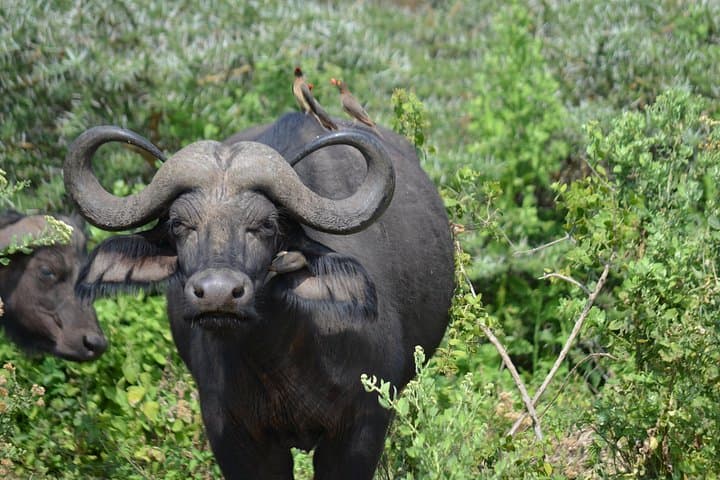
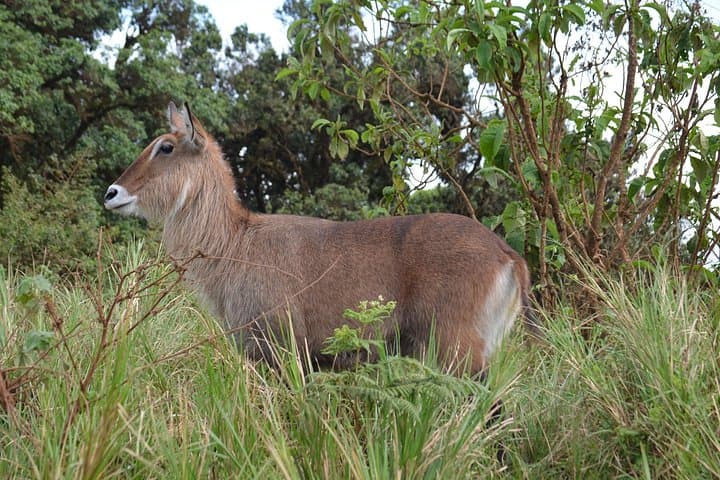
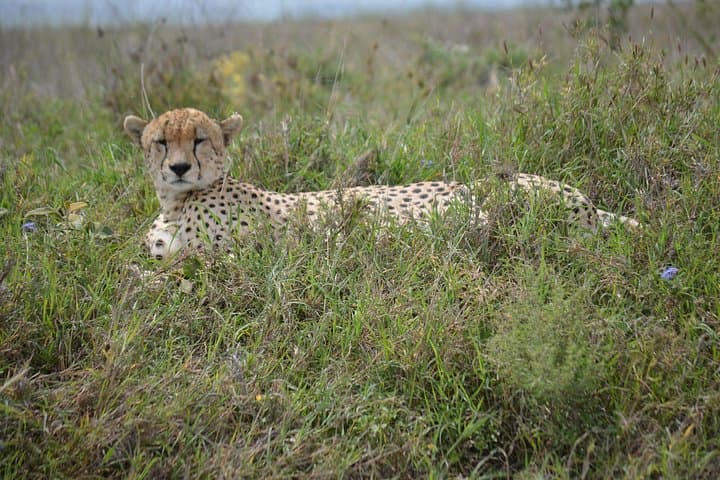
Expect game drives from sunrise and again in late afternoon when predators and grazers are active; most cruising is vehicle-based with short guided walks at lodges where permitted. Guides interpret animal behavior, point out birdlife and explain local Hadza and Datoga traditions you might encounter around Lake Eyasi.
Practicalities: drives from Arusha to Tarangire take about 2–3 hours on mostly paved and graded roads—plan for long days in the vehicle, bring layered clothing for cool mornings, and carry at least 2–3 liters of water per person. Best viewing is during the dry season (June–October) when animals concentrate around water. Pack sunscreen, binoculars and a camera with a telephoto lens to make the most of close-but-respectful wildlife encounters.
Expect about 2–3 hours by vehicle depending on traffic and road conditions; many operators include pickup from central Arusha hotels.
Consult a travel clinic—yellow fever vaccination may be required depending on origin, and malaria prophylaxis is commonly recommended for northern Tanzania.
This tour lists park fees and a professional guide as included; confirm specifics at booking for any optional extras.
Dry season (June–October) concentrates elephants around water sources, improving viewing; however Tarangire has resident herds year-round.
VISION SAFARI & TOURS operates guided outdoor trips and adventures with an emphasis on safety, stewardship, and memorable experiences.

A morning in Arusha begins with the city’s cool, dusty air and the distant silhouette of Mount Meru—guides load gear into a safari vehicle and the road unspools toward Tarangire.
A morning in Arusha begins with the city’s cool, dusty air and the distant silhouette of Mount Meru—guides load gear into a safari vehicle and the road unspools toward Tarangire.
Tarangire National Park opens like a different country: rolling savanna punctuated by elephant-packed watering holes and the flat, sculpted crowns of ancient baobabs. The landscape here sits roughly between 1,100–1,400 meters in elevation and covers about 2,850 km², with dry-season tracks that make game viewing efficient and wet-season grasses that push wildlife toward permanent rivers.
Arusha itself is a cultural hub—visit the Maasai Market, the Tanzanite Experience, and local craft workshops to see the region’s artisanal skills. Geologically the northern circuit is volcanic, shaped by tectonic rifts that created highland plateaus and crater rims; that geology frames the habitat diversity from forest pockets to open plains.
Expect game drives from sunrise and again in late afternoon when predators and grazers are active; most cruising is vehicle-based with short guided walks at lodges where permitted. Guides interpret animal behavior, point out birdlife and explain local Hadza and Datoga traditions you might encounter around Lake Eyasi.
Practicalities: drives from Arusha to Tarangire take about 2–3 hours on mostly paved and graded roads—plan for long days in the vehicle, bring layered clothing for cool mornings, and carry at least 2–3 liters of water per person. Best viewing is during the dry season (June–October) when animals concentrate around water. Pack sunscreen, binoculars and a camera with a telephoto lens to make the most of close-but-respectful wildlife encounters.