THE ADVENTURE COLLECTIVE® · Independent discovery and booking for outdoor travel

Walk and drive through Arusha with a local guide who connects museums, markets and the story of tanzanite. Expect a 2–4 hour cultural immersion with hands-on market stops and ethical shopping tips.
Walk and drive through Arusha with a local guide who connects museums, markets and the story of tanzanite. Expect a 2–4 hour cultural immersion with hands-on market stops and ethical shopping tips.
The morning heat in Arusha arrives with the sound of hawkers and the rattle of boda-bodas; the city opens like a well-thumbed guidebook—paper maps, vibrant stalls and dusted streets that lead to unexpected viewpoints.
Verified experiences and guided adventures in the surrounding area.
Operated by Tanzania Songbirds Safaris · Arusha, Arusha Region
The morning heat in Arusha arrives with the sound of hawkers and the rattle of boda-bodas; the city opens like a well-thumbed guidebook—paper maps, vibrant stalls and dusted streets that lead to unexpected viewpoints.
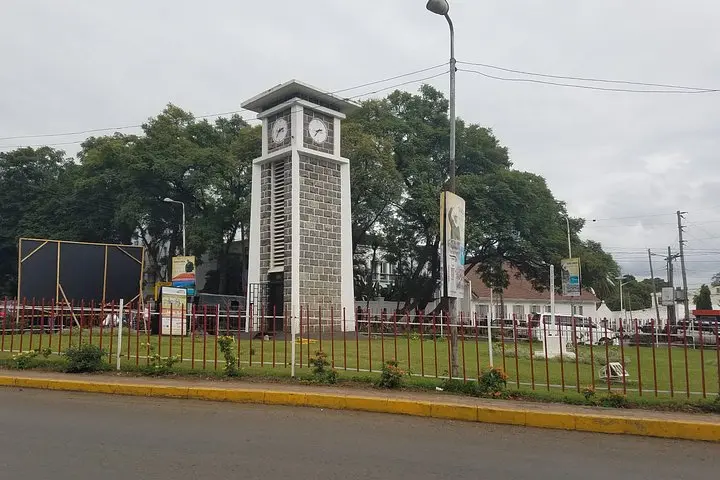
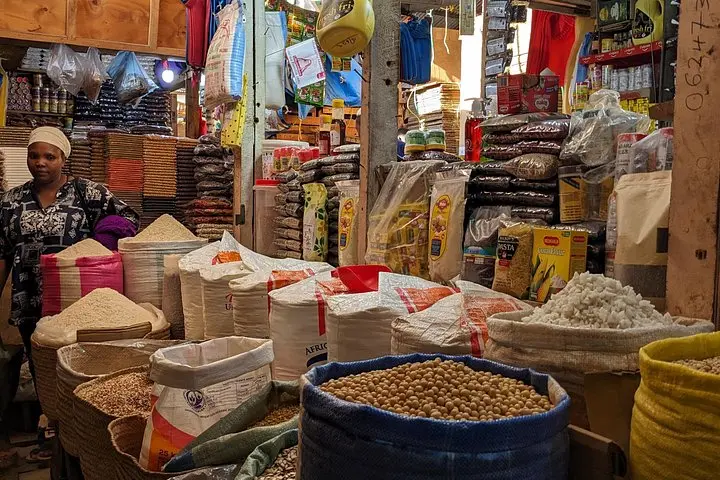
Start at the German BOMA and the Natural History Museum, where displays of Olduvai Gorge fossils and colonial-era architecture lay out the geological and historical frame for Tanzania. The itinerary threads through the Clock Tower—the symbolic crossroads for northern safari routes—then drops you into the sensory overload of Soko Kuu, the central food market, where cardamom and dried fish vie for attention.
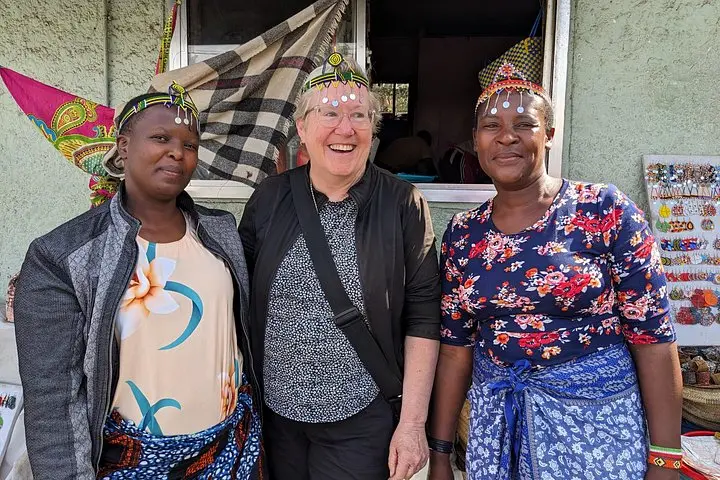
The Tanzanite Experience offers a counterpoint: a compact geology lesson on a gem found only in the foothills of Kilimanjaro, followed by certified viewing and ethical-purchase guidance. The Maasai Market and nearby art gallery complete the arc, translating material culture into personal stories and souvenirs that support local artisans.
Practical guide: this tour blends walking and short drives across mostly paved streets with occasional uneven surfaces in market areas. Expect 2–4 hours of mixed activity, moderate sun exposure and plenty of stops. Carry water, a hat, and small bills for market purchases; practice respectful bargaining and ask for certificates if buying stones. Morning departures avoid the hottest midday and give better market energy and photo light.
This is a cultural primer—part museum, part street-level anthropology—ideal for travelers who want historical context before a safari or a climb up Kilimanjaro.
Pickup and drop-off are included for hotels near Arusha city center—confirm your pickup point at booking.
Yes; the pace is gentle and family-friendly, though keep an eye on children in crowded market areas.
Yes—there’s a certified Tanzanite museum shop and galleries, but always ask for authenticity certificates and compare prices.
Mornings are best for cooler temperatures, livelier markets and clearer light for photos; late afternoons are also pleasant if you prefer fewer crowds.
Tanzania Songbirds Safaris operates guided outdoor trips and adventures with an emphasis on safety, stewardship, and memorable experiences.

The morning heat in Arusha arrives with the sound of hawkers and the rattle of boda-bodas; the city opens like a well-thumbed guidebook—paper maps, vibrant stalls and dusted streets that lead to unexpected viewpoints.
The morning heat in Arusha arrives with the sound of hawkers and the rattle of boda-bodas; the city opens like a well-thumbed guidebook—paper maps, vibrant stalls and dusted streets that lead to unexpected viewpoints.
Start at the German BOMA and the Natural History Museum, where displays of Olduvai Gorge fossils and colonial-era architecture lay out the geological and historical frame for Tanzania. The itinerary threads through the Clock Tower—the symbolic crossroads for northern safari routes—then drops you into the sensory overload of Soko Kuu, the central food market, where cardamom and dried fish vie for attention.
The Tanzanite Experience offers a counterpoint: a compact geology lesson on a gem found only in the foothills of Kilimanjaro, followed by certified viewing and ethical-purchase guidance. The Maasai Market and nearby art gallery complete the arc, translating material culture into personal stories and souvenirs that support local artisans.
Practical guide: this tour blends walking and short drives across mostly paved streets with occasional uneven surfaces in market areas. Expect 2–4 hours of mixed activity, moderate sun exposure and plenty of stops. Carry water, a hat, and small bills for market purchases; practice respectful bargaining and ask for certificates if buying stones. Morning departures avoid the hottest midday and give better market energy and photo light.
This is a cultural primer—part museum, part street-level anthropology—ideal for travelers who want historical context before a safari or a climb up Kilimanjaro.