THE ADVENTURE COLLECTIVE® · Independent discovery and booking for outdoor travel

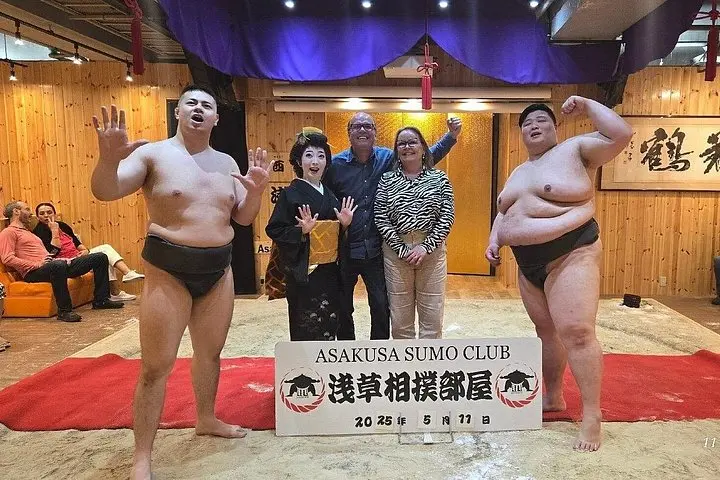
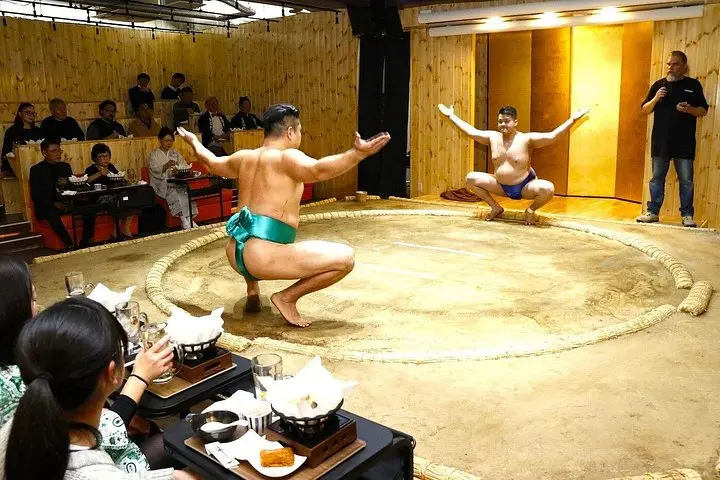
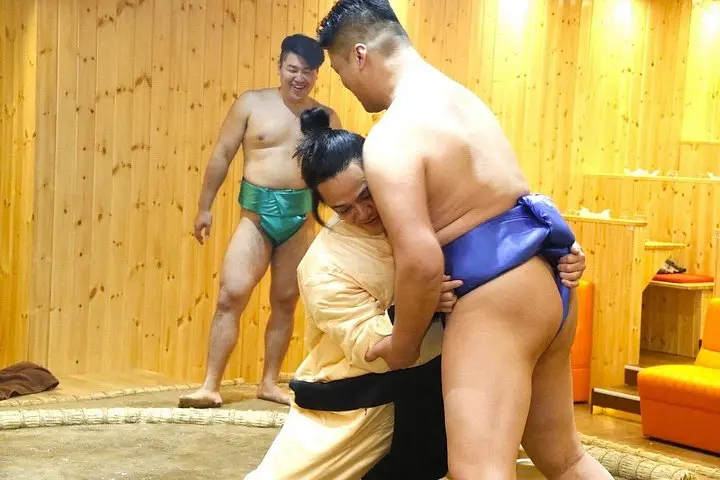
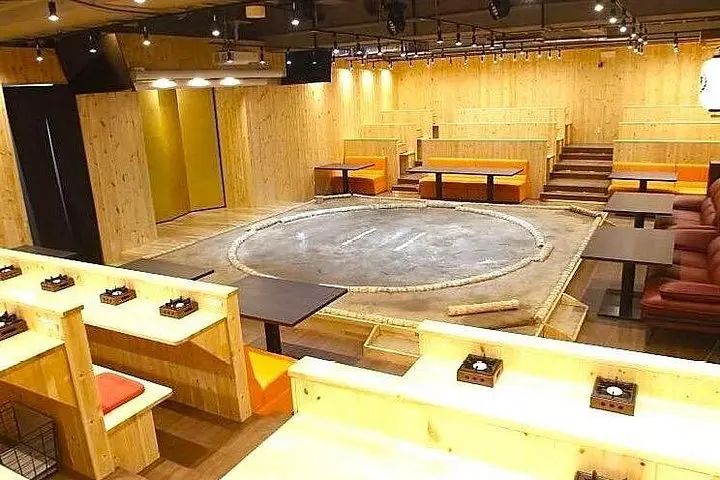
Walk Tokyo’s old quarter with a licensed guide, then settle into a show-style sumo lunch at an Asakusa sumo club. This private six-hour tour blends temple history, local neighborhoods, and an immersive culinary spectacle—customizable to the sites you most want to see.
Walk Tokyo’s old quarter with a licensed guide, then settle into a show-style sumo lunch at an Asakusa sumo club. This private six-hour tour blends temple history, local neighborhoods, and an immersive culinary spectacle—customizable to the sites you most want to see.
Step through Kaminarimon’s scarlet gate and the city’s noise narrows to the crackle of street food stalls and the low hum of ritual chant. The rickety lanterns of Nakamise-dori jostle for attention with vendors selling ningyo-yaki and sweet potato skewers, while the Sumida River glances by like a patient guide urging you onward.
Verified experiences and guided adventures in the surrounding area.
Operated by Japan Guide Agency · Tokyo, Tokyo
Step through Kaminarimon’s scarlet gate and the city’s noise narrows to the crackle of street food stalls and the low hum of ritual chant. The rickety lanterns of Nakamise-dori jostle for attention with vendors selling ningyo-yaki and sweet potato skewers, while the Sumida River glances by like a patient guide urging you onward.
This private six-hour experience pairs a four-hour, customizable walking tour of the Asakusa and greater Tokyo neighborhoods with a show-styled sumo lunch at an Asakusa sumo club (slots at noon or 3:00 PM). Expect temple history—Sensoji dates to the 7th century—Edo-era echoes of commerce and castle earthworks, and modern pockets of pop culture in Harajuku and Akihabara if you choose them. Geology here is subtle: Tokyo sits on low alluvial plains shaped by the Sumida and its tributaries, which historically concentrated trade and temple precincts along their banks.
Your licensed English guide can craft an itinerary from two to three sites on the provided list—think Meiji Shrine’s forest paths for quiet, or the buzzing electronics of Akihabara for contrast—before dropping you at a sumo club for a traditional lunch and demonstration.
Practical edge: wear broken-in walking shoes, carry an IC card and small bills for street food and shrine offerings, and plan for humidity in summer and brisk winds in winter. The tour is wheelchair-accessible and family friendly, but seats at the sumo club are limited—book the preferred lunch time in advance and confirm accessibility needs when reserving.
Yes — the itinerary includes a lunch at an Asakusa sumo club and the associated show; confirm your chosen lunch start time (12:00 or 15:00) when booking.
Yes — after booking you and your licensed guide can choose 2–3 sites from the tour’s ‘what to expect’ list to tailor the route.
According to the listing, sites and transportation options on this tour are wheelchair- and stroller-accessible; notify the operator of specific needs at booking.
This is led by a licensed English-speaking guide; check availability for other languages when arranging the tour.
Japan Guide Agency operates guided outdoor trips and adventures with an emphasis on safety, stewardship, and memorable experiences.
Step through Kaminarimon’s scarlet gate and the city’s noise narrows to the crackle of street food stalls and the low hum of ritual chant. The rickety lanterns of Nakamise-dori jostle for attention with vendors selling ningyo-yaki and sweet potato skewers, while the Sumida River glances by like a patient guide urging you onward.
Step through Kaminarimon’s scarlet gate and the city’s noise narrows to the crackle of street food stalls and the low hum of ritual chant. The rickety lanterns of Nakamise-dori jostle for attention with vendors selling ningyo-yaki and sweet potato skewers, while the Sumida River glances by like a patient guide urging you onward.
This private six-hour experience pairs a four-hour, customizable walking tour of the Asakusa and greater Tokyo neighborhoods with a show-styled sumo lunch at an Asakusa sumo club (slots at noon or 3:00 PM). Expect temple history—Sensoji dates to the 7th century—Edo-era echoes of commerce and castle earthworks, and modern pockets of pop culture in Harajuku and Akihabara if you choose them. Geology here is subtle: Tokyo sits on low alluvial plains shaped by the Sumida and its tributaries, which historically concentrated trade and temple precincts along their banks.
Your licensed English guide can craft an itinerary from two to three sites on the provided list—think Meiji Shrine’s forest paths for quiet, or the buzzing electronics of Akihabara for contrast—before dropping you at a sumo club for a traditional lunch and demonstration.
Practical edge: wear broken-in walking shoes, carry an IC card and small bills for street food and shrine offerings, and plan for humidity in summer and brisk winds in winter. The tour is wheelchair-accessible and family friendly, but seats at the sumo club are limited—book the preferred lunch time in advance and confirm accessibility needs when reserving.