
Asakusa Kimono Rental Makigawa: Full Kimono Makeover Near Senso-ji
Transform into traditional Japanese dress just steps from Senso-ji Temple. Makigawa’s kimono rental pairs professional dressing and basic hairstyling with prime Asakusa access for photos and a quick cultural immersion.
An Adventure In Tokyo.
Transform into traditional Japanese dress just steps from Senso-ji Temple. Makigawa’s kimono rental pairs professional dressing and basic hairstyling with prime Asakusa access for photos and a quick cultural immersion.
Read the full experience
The street hums with rice-cracker vendors and tram bells as a customer steps from Asakusa Station into a pocket of Edo-period color. At Makigawa, staff guide visitors through a rapid transformation: soft cotton layers slip on, the obi is tightened with practiced hands, and wooden geta click against Nakamise’s flagstones as the group moves toward Senso-ji.
The street hums with rice-cracker vendors and tram bells as a customer steps from Asakusa Station into a pocket of Edo-period color. At Makigawa, staff guide visitors through a rapid transformation: soft cotton layers slip on, the obi is tightened with practiced hands, and wooden geta click against Nakamise’s flagstones as the group moves toward Senso-ji.
Asakusa sits on the low floodplain beside the Sumida River, a neighborhood shaped by commerce and festival traditions since the Edo era. Senso-ji, Tokyo’s oldest temple, anchors a lively public realm of lanterns, lacquered signs and food stalls; the kimono itself is both wearable craft and cultural pageant, evolving through Meiji and Showa modernities into the rental trends seen today.
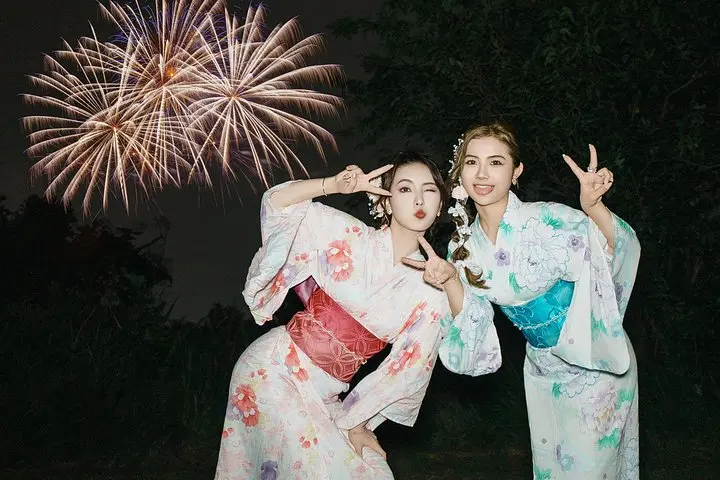
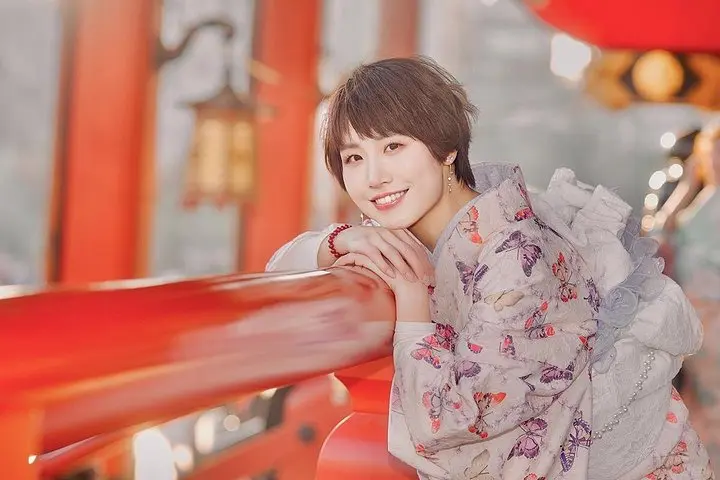
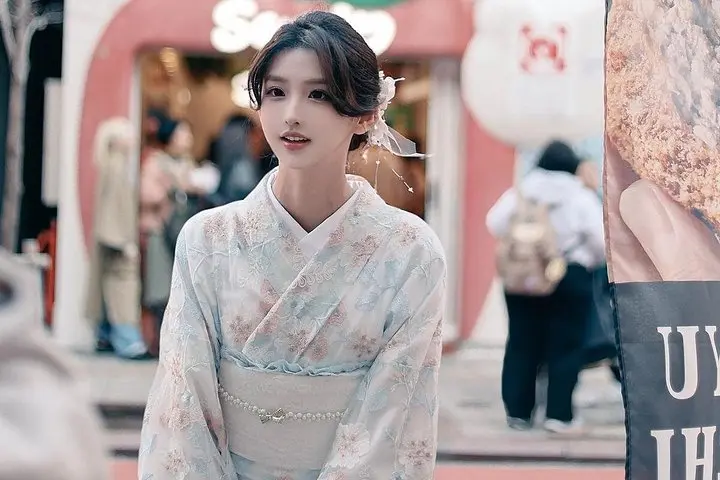
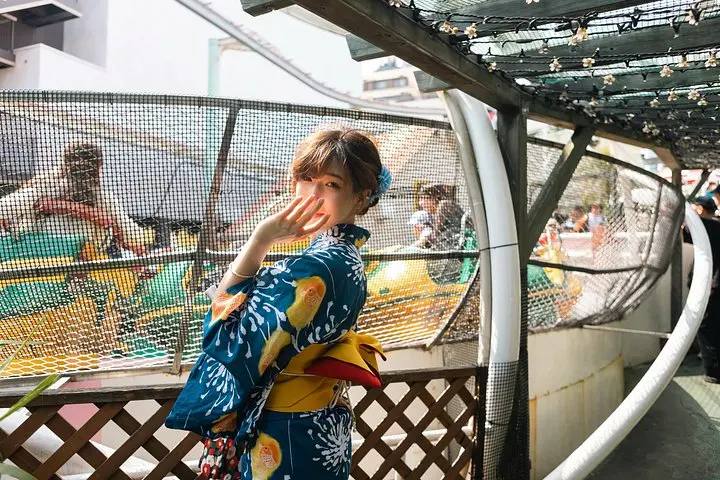
Makigawa offers Komon, furisode, hakama and trendy lace kimono, plus basic hairstyling and photo props—services that make it easy to adopt traditional dress even for first-timers. Multilingual staff, luggage storage and a one- to two-hour makeover window keep the experience compact and accessible.
For practical planning: arrive on time, allow about two hours for dressing and photos, and expect limited mobility in fitted obi and geta—plan routes with few stairs. Summer days get hot in layered silk; spring cherry blossoms and autumn light make the neighborhood photogenic. Respect shrine etiquette—remove hats, keep voices low—and return garments by the agreed time. With a little preparation—tabi socks, a light inner layer and an understanding of footwear constraints—the Makigawa kimono experience is a direct, well-supported way to step into Asakusa’s living history.
Frequently asked questions
The standard session is approximately two hours and includes dressing, basic hairstyling and time for photos nearby.
This product requires one ticket per booking; check availability and group options when reserving.
Yes—Makigawa offers luggage storage on site so visitors can enjoy the neighborhood unencumbered.
You can receive a full refund if you cancel at least 24 hours before the scheduled start time; same-day cancellations are not refundable.
About This Experience
Asakusa Kimono Rental Makigawa operates guided outdoor trips and adventures with an emphasis on safety, stewardship, and memorable experiences.
Adventure tips
Recommended gear
- Tabi socks: Split-toe socks improve comfort with geta and protect feet while walking between photo spots.
- Slip-on flats: Easier for walking after the session when wooden sandals become uncomfortable.
- Light inner layer: Adds warmth in colder months and protects fragile kimono fabrics from sweat.
- Small crossbody bag: Keeps valuables secure while freeing hands for photos and shrine etiquette.
Photos of the experience
Related adventures & guides
Read the full experience
The street hums with rice-cracker vendors and tram bells as a customer steps from Asakusa Station into a pocket of Edo-period color. At Makigawa, staff guide visitors through a rapid transformation: soft cotton layers slip on, the obi is tightened with practiced hands, and wooden geta click against Nakamise’s flagstones as the group moves toward Senso-ji.
The street hums with rice-cracker vendors and tram bells as a customer steps from Asakusa Station into a pocket of Edo-period color. At Makigawa, staff guide visitors through a rapid transformation: soft cotton layers slip on, the obi is tightened with practiced hands, and wooden geta click against Nakamise’s flagstones as the group moves toward Senso-ji.
Asakusa sits on the low floodplain beside the Sumida River, a neighborhood shaped by commerce and festival traditions since the Edo era. Senso-ji, Tokyo’s oldest temple, anchors a lively public realm of lanterns, lacquered signs and food stalls; the kimono itself is both wearable craft and cultural pageant, evolving through Meiji and Showa modernities into the rental trends seen today.
Makigawa offers Komon, furisode, hakama and trendy lace kimono, plus basic hairstyling and photo props—services that make it easy to adopt traditional dress even for first-timers. Multilingual staff, luggage storage and a one- to two-hour makeover window keep the experience compact and accessible.
For practical planning: arrive on time, allow about two hours for dressing and photos, and expect limited mobility in fitted obi and geta—plan routes with few stairs. Summer days get hot in layered silk; spring cherry blossoms and autumn light make the neighborhood photogenic. Respect shrine etiquette—remove hats, keep voices low—and return garments by the agreed time. With a little preparation—tabi socks, a light inner layer and an understanding of footwear constraints—the Makigawa kimono experience is a direct, well-supported way to step into Asakusa’s living history.
Make a day of it nearby.
Verified experiences and guided adventures in the surrounding area.