THE ADVENTURE COLLECTIVE® · Independent discovery and booking for outdoor travel

Learn to whisk authentic Matcha minutes from Senso-ji Temple in Asakusa. This 45-minute, hands-on ceremony mixes history, etiquette, and a modern Matcha latte you create yourself.
Learn to whisk authentic Matcha minutes from Senso-ji Temple in Asakusa. This 45-minute, hands-on ceremony mixes history, etiquette, and a modern Matcha latte you create yourself.
Steam rises from a bright green bowl as the instructor moves with deliberate calm—this is Asakusa's Matcha Tea Ceremony, held a few minutes from Senso-ji Temple. The room hums softly with the footfall of visitors and the distant city sounds, but attention narrows to the bamboo whisk, the sifted powder, and the rhythm of whisking that turns powder into foam.
Verified experiences and guided adventures in the surrounding area.
Operated by TAS CO., LTD. · Tokyo, Tokyo
Steam rises from a bright green bowl as the instructor moves with deliberate calm—this is Asakusa's Matcha Tea Ceremony, held a few minutes from Senso-ji Temple. The room hums softly with the footfall of visitors and the distant city sounds, but attention narrows to the bamboo whisk, the sifted powder, and the rhythm of whisking that turns powder into foam.
Tea in Japan is both craft and code. Matcha arrived in Japan with Zen monks in the 12th century and evolved into the formalized tea ceremony (chanoyu) during the Edo period. Asakusa itself grew as an entertainment and pilgrimage district in the 17th–19th centuries; today its streets retain a working-class, historic character that frames the ceremony with genuine local texture.
Geologically, Tokyo sits on alluvial plains shaped by river systems; stone, not altitude, defines the urban landscape, so ceremonies emphasize craftsmanship and ritual rather than wilderness views. Expect clear instruction on etiquette—how to hold the bowl, when to bow—and a short walk through cultural context before you make your own Matcha latte, blending a measured tradition with a modern twist.
Practical guidance: plan for a 45-minute session, arrive 10 minutes early to check in, and leave pockets free for questions—the staff are English-speaking and welcoming. Wear comfortable shoes for nearby temple walking; bring a small camera but avoid flash during the ceremony. This is an accessible, low-impact cultural activity that pairs well with a wider Asakusa itinerary.
No—this session is designed for beginners and covers history, manners, and hands-on whisking under instructor guidance.
Yes; the venue notes stroller and wheelchair accessibility, though infants are expected to sit on laps.
Photography is generally allowed before and after the formal portions, but follow the instructor’s guidance during ritual moments and avoid flash.
The studio is a few minutes’ walk from Senso-ji, making it easy to combine with a temple visit and Asakusa exploration.
TAS CO., LTD. operates guided outdoor trips and adventures with an emphasis on safety, stewardship, and memorable experiences.
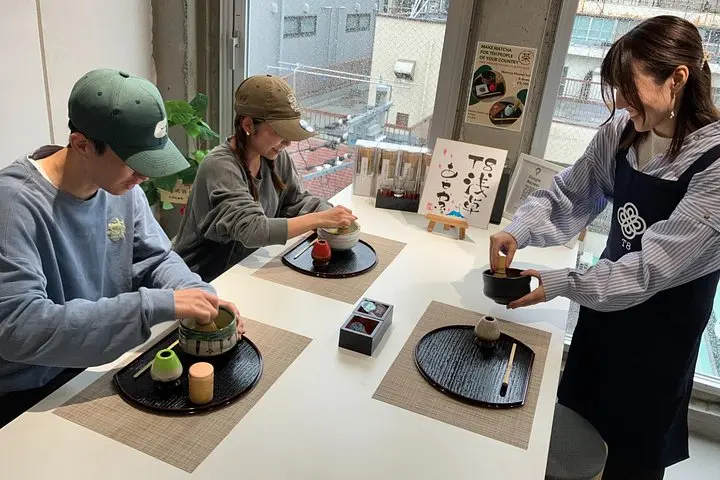
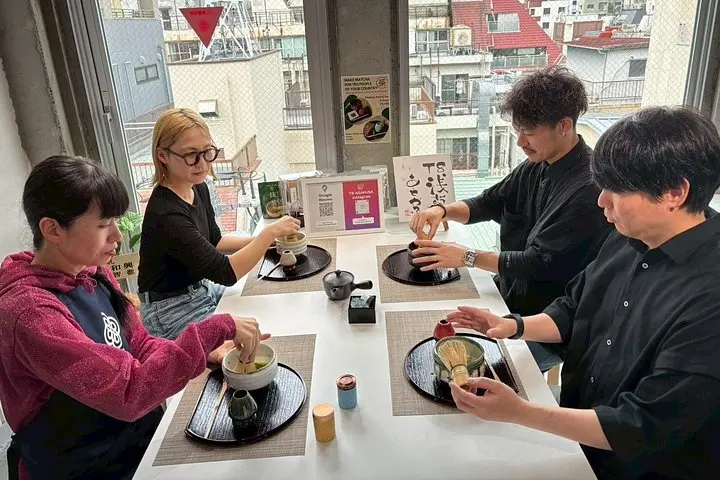
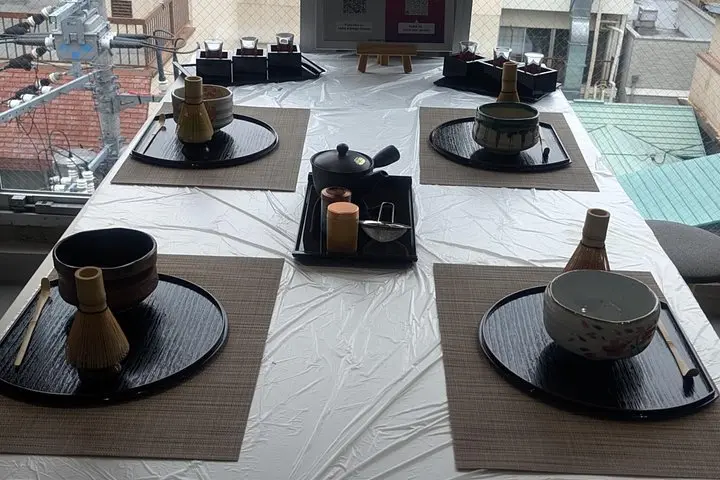
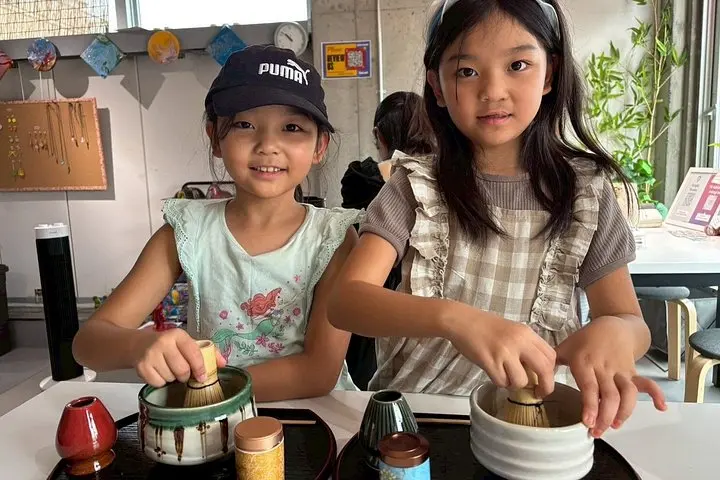
Steam rises from a bright green bowl as the instructor moves with deliberate calm—this is Asakusa's Matcha Tea Ceremony, held a few minutes from Senso-ji Temple. The room hums softly with the footfall of visitors and the distant city sounds, but attention narrows to the bamboo whisk, the sifted powder, and the rhythm of whisking that turns powder into foam.
Steam rises from a bright green bowl as the instructor moves with deliberate calm—this is Asakusa's Matcha Tea Ceremony, held a few minutes from Senso-ji Temple. The room hums softly with the footfall of visitors and the distant city sounds, but attention narrows to the bamboo whisk, the sifted powder, and the rhythm of whisking that turns powder into foam.
Tea in Japan is both craft and code. Matcha arrived in Japan with Zen monks in the 12th century and evolved into the formalized tea ceremony (chanoyu) during the Edo period. Asakusa itself grew as an entertainment and pilgrimage district in the 17th–19th centuries; today its streets retain a working-class, historic character that frames the ceremony with genuine local texture.
Geologically, Tokyo sits on alluvial plains shaped by river systems; stone, not altitude, defines the urban landscape, so ceremonies emphasize craftsmanship and ritual rather than wilderness views. Expect clear instruction on etiquette—how to hold the bowl, when to bow—and a short walk through cultural context before you make your own Matcha latte, blending a measured tradition with a modern twist.
Practical guidance: plan for a 45-minute session, arrive 10 minutes early to check in, and leave pockets free for questions—the staff are English-speaking and welcoming. Wear comfortable shoes for nearby temple walking; bring a small camera but avoid flash during the ceremony. This is an accessible, low-impact cultural activity that pairs well with a wider Asakusa itinerary.