THE ADVENTURE COLLECTIVE® · Independent discovery and booking for outdoor travel

Walk through Kaminarimon Gate into Asakusa’s living history with a local guide who doubles as a photographer. This two‑hour tour combines cultural context, photo-friendly stops, and practical tips for navigating one of Tokyo’s most traditional districts.
Walk through Kaminarimon Gate into Asakusa’s living history with a local guide who doubles as a photographer. This two‑hour tour combines cultural context, photo-friendly stops, and practical tips for navigating one of Tokyo’s most traditional districts.
Step through Kaminarimon Gate and the city changes its voice: merchants call, paper lanterns swing, and the stone steps to Senso-ji draw a steady current of visitors. A local guide leads the way, lens in hand to frame the alleyways where vending stalls, wooden shopfronts, and ritual smoke at the incense burner punctuate the walk.
Verified experiences and guided adventures in the surrounding area.
Operated by Rental Japanese · Tokyo, Tokyo
Step through Kaminarimon Gate and the city changes its voice: merchants call, paper lanterns swing, and the stone steps to Senso-ji draw a steady current of visitors. A local guide leads the way, lens in hand to frame the alleyways where vending stalls, wooden shopfronts, and ritual smoke at the incense burner punctuate the walk.
Asakusa was a lively entertainment and market district in Edo-era Tokyo; Senso-ji’s origins stretch back to the 7th century. The neighborhood’s low-rise streets preserve layers of urban history—postwar reconstruction beside impermeable timber façades—while the nearby Sumida River quietly charts modern Tokyo’s edge. Cultural notes come easily: how Nakamise-dori evolved from pilgrim trade, why Asakusa Shrine plays a central role in Sanja Matsuri, and how Hoppy Street’s after-hours culture reflects the area’s working-class past.
Expect an easy, two-hour route focused on close observation rather than long distances: camera-friendly pauses at Kaminarimon, Nakamise, Senso-ji, Asakusa Shrine, and Hoppy Street with short historical explanations at each stop. The guide will point out best photo angles, explain local customs (how to cleanse at a temizuya, respectful shrine behavior), and advise on cash vs. card use in small shops.
Practical tips: go early to avoid crowds and soft midday light for photos; bring small change for snack vendors; wear comfortable shoes—pavement and narrow alleys demand steady footing. The tour suits most fitness levels and offers a tidy, contextual introduction to Old Tokyo for first-time visitors and photographers seeking authentic street moments.
The tour lasts about two hours with short, easy walking between key sites—suitable for most visitors.
Senso-ji grounds are free to enter; the tour covers the temple and shrine areas but does not require paid admission.
The route uses paved streets and temple grounds but includes steps and narrow alleys; check with the operator for specific accessibility accommodations.
Compact tripods and cameras are usually fine; if you plan extensive professional equipment, notify the guide in advance to confirm logistics and crowd impact.
Rental Japanese operates guided outdoor trips and adventures with an emphasis on safety, stewardship, and memorable experiences.
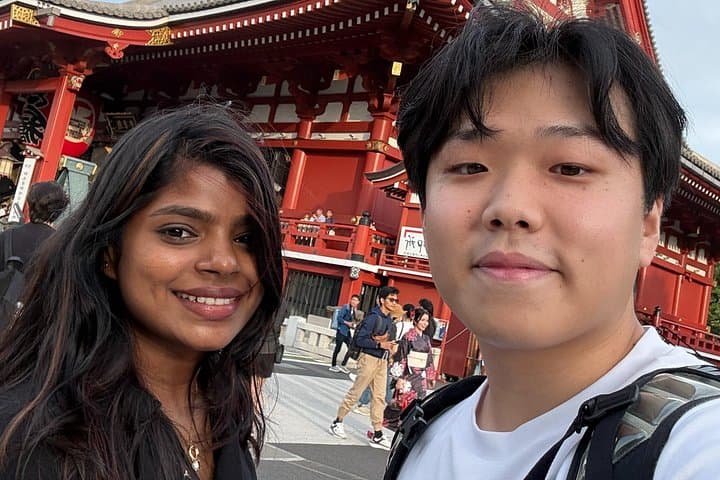
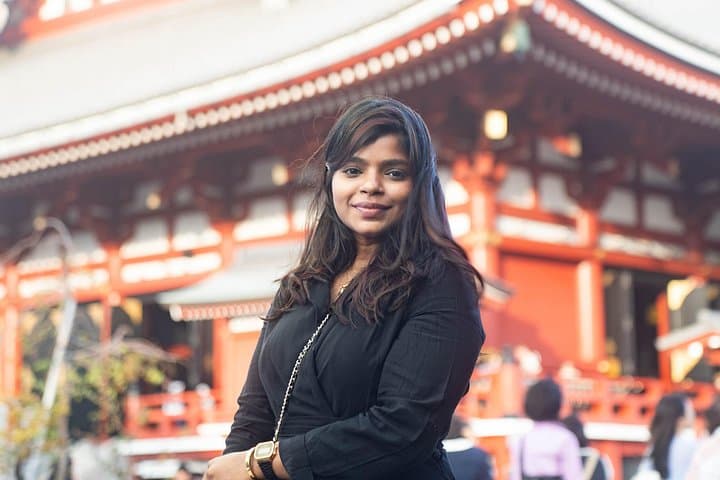
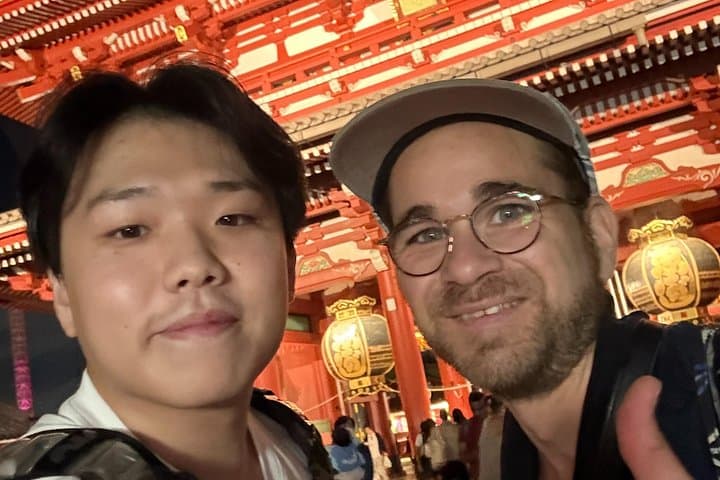
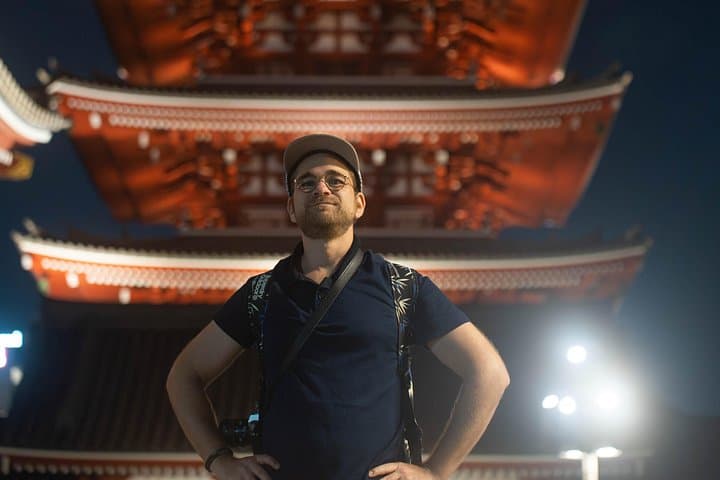
Step through Kaminarimon Gate and the city changes its voice: merchants call, paper lanterns swing, and the stone steps to Senso-ji draw a steady current of visitors. A local guide leads the way, lens in hand to frame the alleyways where vending stalls, wooden shopfronts, and ritual smoke at the incense burner punctuate the walk.
Step through Kaminarimon Gate and the city changes its voice: merchants call, paper lanterns swing, and the stone steps to Senso-ji draw a steady current of visitors. A local guide leads the way, lens in hand to frame the alleyways where vending stalls, wooden shopfronts, and ritual smoke at the incense burner punctuate the walk.
Asakusa was a lively entertainment and market district in Edo-era Tokyo; Senso-ji’s origins stretch back to the 7th century. The neighborhood’s low-rise streets preserve layers of urban history—postwar reconstruction beside impermeable timber façades—while the nearby Sumida River quietly charts modern Tokyo’s edge. Cultural notes come easily: how Nakamise-dori evolved from pilgrim trade, why Asakusa Shrine plays a central role in Sanja Matsuri, and how Hoppy Street’s after-hours culture reflects the area’s working-class past.
Expect an easy, two-hour route focused on close observation rather than long distances: camera-friendly pauses at Kaminarimon, Nakamise, Senso-ji, Asakusa Shrine, and Hoppy Street with short historical explanations at each stop. The guide will point out best photo angles, explain local customs (how to cleanse at a temizuya, respectful shrine behavior), and advise on cash vs. card use in small shops.
Practical tips: go early to avoid crowds and soft midday light for photos; bring small change for snack vendors; wear comfortable shoes—pavement and narrow alleys demand steady footing. The tour suits most fitness levels and offers a tidy, contextual introduction to Old Tokyo for first-time visitors and photographers seeking authentic street moments.