THE ADVENTURE COLLECTIVE® · Independent discovery and booking for outdoor travel

An 18-day expedition that pairs a high-altitude trekking approach with technical climbing to the 6,476m summit of Mera Peak. Expect long multi-day treks, glacier travel, Sherpa support and sustained acclimatization.
An 18-day expedition that pairs a high-altitude trekking approach with technical climbing to the 6,476m summit of Mera Peak. Expect long multi-day treks, glacier travel, Sherpa support and sustained acclimatization.
The trail starts in the thin air outside Lukla, where prayer flags snap like impatient guides and the first ridge opens onto ice-streaked giants. Day after day the trek climbs through alpine meadows and moraine, and by high camp the wind seems to push and test every step—Mera Peak challenges body and attention in equal measure.
Verified experiences and guided adventures in the surrounding area.
Operated by Alpine Luxury Treks Pvt Ltd · Kathmandu, Bagmati Province
The trail starts in the thin air outside Lukla, where prayer flags snap like impatient guides and the first ridge opens onto ice-streaked giants. Day after day the trek climbs through alpine meadows and moraine, and by high camp the wind seems to push and test every step—Mera Peak challenges body and attention in equal measure.
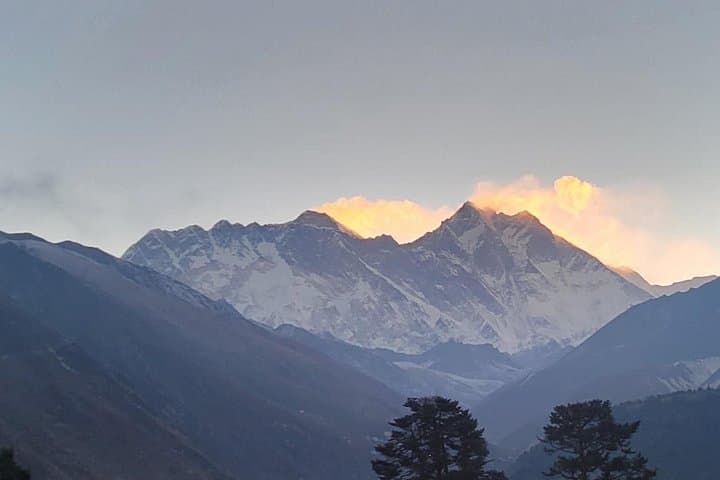
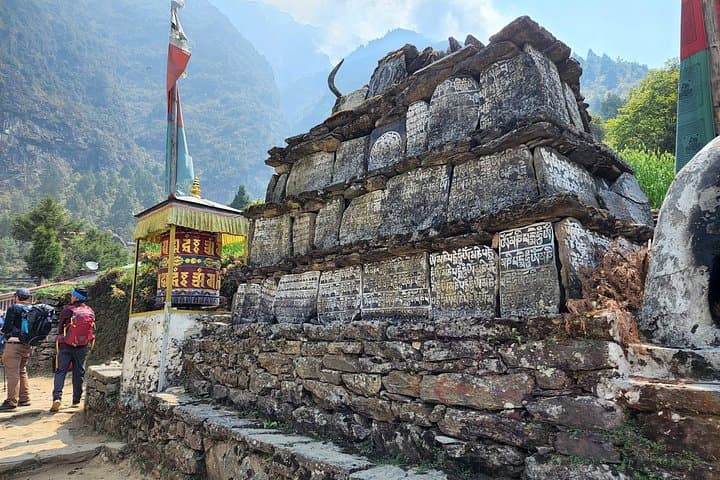
Geology here is recent and rude: folded grey gneiss and glacial moraine sculpt the valleys, while the peak itself rises as a broad snow dome offering an unrivaled line-of-sight to Everest, Cho Oyu and Makalu. Culturally the route threads Sherpa villages—Kothe and Khare—where tea-house life, yak trains and Buddhist mani walls mark the human rhythm that supports climbing seasons.
Expect multi-day approach treks, one technical glacier crest at high camp and a long summit day that demands rope, crampons and calm pacing. Acclimatization days are built into the itinerary for a reason; altitude shifts the landscape into a negotiation between you and the mountain. Local climbing sherpas provide route-setting, fixed ropes, and decision-making when weather or snow conditions change.
Practical edge: pack for cold nights and exposed summit hours, rehearse ice-axe and crampon techniques beforehand, and budget for permit fees and contingency days. Start with a sustained training block—rucksack marches and stair repetitions—and accept that summit success is as much about conservative pacing and good sleep as it is about fitness. At 6,476 meters Mera Peak rewards those who arrive prepared, patient, and weather-aware.
Yes—experience on 4,000–5,000m treks and familiarity with basic crampon/ice-axe techniques strongly improves safety and success odds.
Climbing Mera Peak requires a climbing permit and TIMS/trekking permits; permits are arranged before departure and vary by operator.
Success depends on weather and acclimatization; well-run trips report moderate-to-high summit rates but always allow reserve days for conditions.
Most operators include rescue contingency plans and have liaison for helicopter evacuations, but helicopter availability depends on weather and altitude limitations.
Alpine Luxury Treks Pvt Ltd operates guided outdoor trips and adventures with an emphasis on safety, stewardship, and memorable experiences.
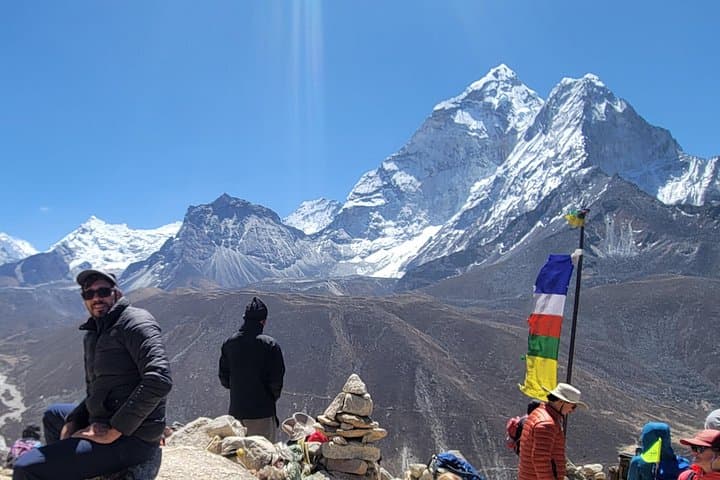
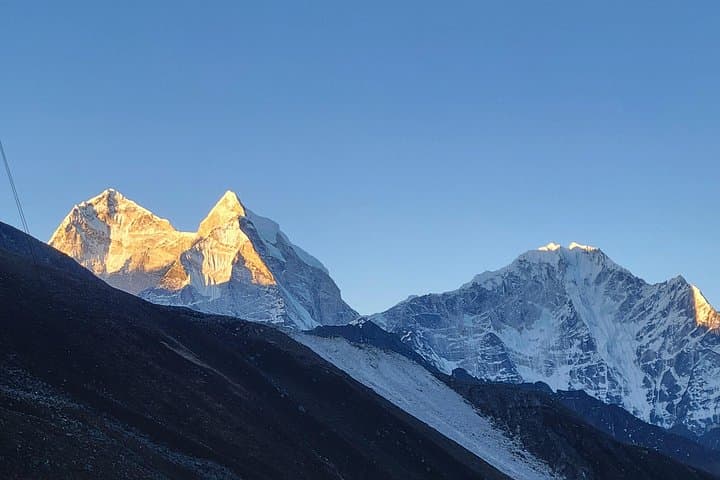
The trail starts in the thin air outside Lukla, where prayer flags snap like impatient guides and the first ridge opens onto ice-streaked giants. Day after day the trek climbs through alpine meadows and moraine, and by high camp the wind seems to push and test every step—Mera Peak challenges body and attention in equal measure.
The trail starts in the thin air outside Lukla, where prayer flags snap like impatient guides and the first ridge opens onto ice-streaked giants. Day after day the trek climbs through alpine meadows and moraine, and by high camp the wind seems to push and test every step—Mera Peak challenges body and attention in equal measure.
Geology here is recent and rude: folded grey gneiss and glacial moraine sculpt the valleys, while the peak itself rises as a broad snow dome offering an unrivaled line-of-sight to Everest, Cho Oyu and Makalu. Culturally the route threads Sherpa villages—Kothe and Khare—where tea-house life, yak trains and Buddhist mani walls mark the human rhythm that supports climbing seasons.
Expect multi-day approach treks, one technical glacier crest at high camp and a long summit day that demands rope, crampons and calm pacing. Acclimatization days are built into the itinerary for a reason; altitude shifts the landscape into a negotiation between you and the mountain. Local climbing sherpas provide route-setting, fixed ropes, and decision-making when weather or snow conditions change.
Practical edge: pack for cold nights and exposed summit hours, rehearse ice-axe and crampon techniques beforehand, and budget for permit fees and contingency days. Start with a sustained training block—rucksack marches and stair repetitions—and accept that summit success is as much about conservative pacing and good sleep as it is about fitness. At 6,476 meters Mera Peak rewards those who arrive prepared, patient, and weather-aware.