THE ADVENTURE COLLECTIVE® · Independent discovery and booking for outdoor travel

Cerro Toco rises above the Atacama plateau, offering a challenging high-altitude hike with sweeping views of salt flats and neighboring volcanoes. This 7–8 hour ascent demands acclimatization, sun protection and steady footing on sandy, scree-strewn slopes.
Cerro Toco rises above the Atacama plateau, offering a challenging high-altitude hike with sweeping views of salt flats and neighboring volcanoes. This 7–8 hour ascent demands acclimatization, sun protection and steady footing on sandy, scree-strewn slopes.
A chill wind pushes across the scree as you climb: the plateau below San Pedro de Atacama recedes into a patchwork of salt flats, volcanic cones and distant snow-capped giants. Cerro Toco’s slopes are a mixture of sand, compacted ash and shale; with each step the landscape feels both raw and deliberate, the air growing thinner and more honest as the summit approaches.
Verified experiences and guided adventures in the surrounding area.
Operated by Quima Expediciones · San Pedro de Atacama, Antofagasta
A chill wind pushes across the scree as you climb: the plateau below San Pedro de Atacama recedes into a patchwork of salt flats, volcanic cones and distant snow-capped giants. Cerro Toco’s slopes are a mixture of sand, compacted ash and shale; with each step the landscape feels both raw and deliberate, the air growing thinner and more honest as the summit approaches.
Geology here is readable at a glance — lava flows, pumice bands and wind-polished ash record episodes of explosive volcanism tied to the Central Volcanic Zone of the Andes. The area sits in Atacama’s high puna, a cultural crossroads where Andean pastoralists and pre-Columbian routes once moved between valleys. You’ll pass signs of human history: cairns, faint tracks and the occasional abandoned pasture feature.
Practical guidance: expect a 7–8 hour outing, roughly 6–10 km round-trip with about 700–900 m of elevation gain depending on your start point. Trails are unshaded; bring sun protection and layer for sharp temperature swings. Footing alternates between hard-packed sand, volcanic scree and occasional rocky steps — poles are useful, crampons only if recent storms left wind-packed snow. Altitude is the defining hazard: acclimatize in San Pedro (2–3 days recommended), hydrate deliberately and monitor for symptoms of AMS. Tours commonly use 4x4 approach roads and include a packed ration; helmets and trekking poles are often provided.
Timing matters: early starts avoid afternoon wind and maximize visibility. At the top, the thin air sharpens colors — the Atacama below seems to hold its breath — and the volcano rewards the ascent with broad, volcanic vistas that only high-altitude journeys can deliver.
Tours typically run 7–8 hours round-trip, depending on the pickup location and your pace; expect 6–10 km and 700–900 m elevation gain.
Many operators provide helmets and trekking poles; crampons are supplied only if snow conditions require them—confirm with your provider beforehand.
Yes—spend 1–3 days in San Pedro de Atacama to help your body adjust; altitude, not technical difficulty, is the main challenge.
Altitude-related illness, strong UV exposure, loose scree and sudden wind; plan early starts, layers, and adequate hydration to mitigate risks.
Quima Expediciones operates guided outdoor trips and adventures with an emphasis on safety, stewardship, and memorable experiences.
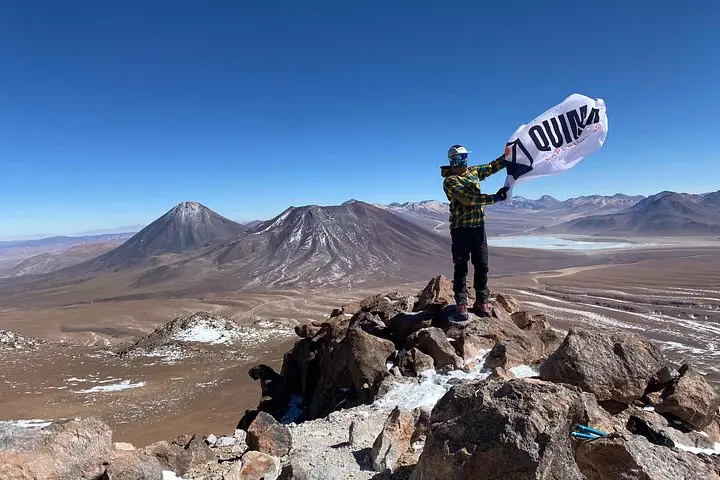
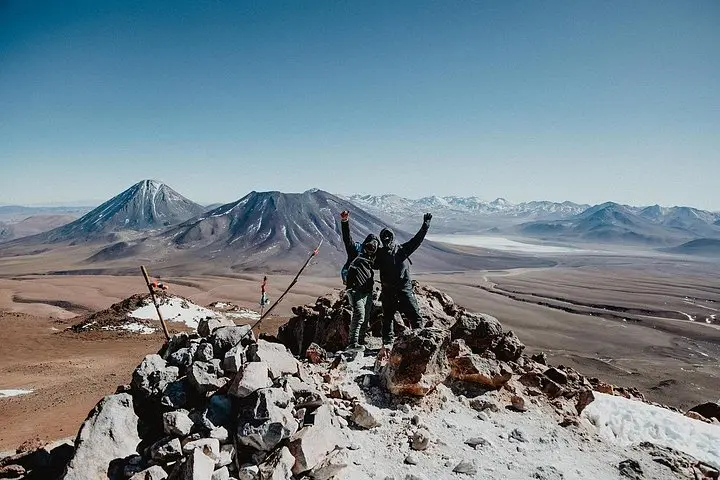
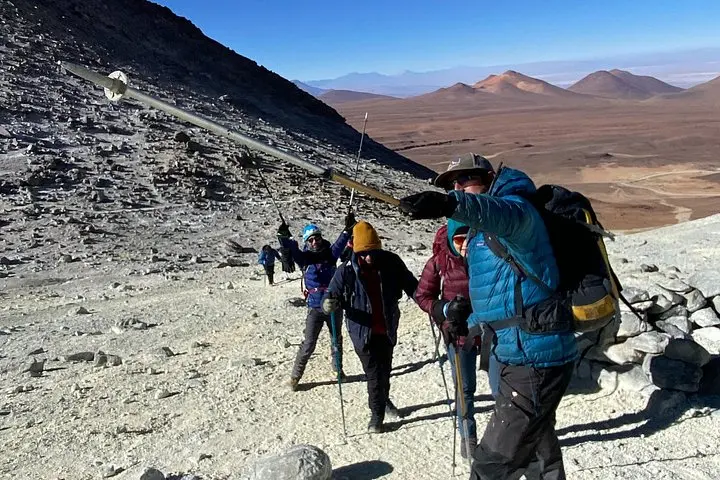
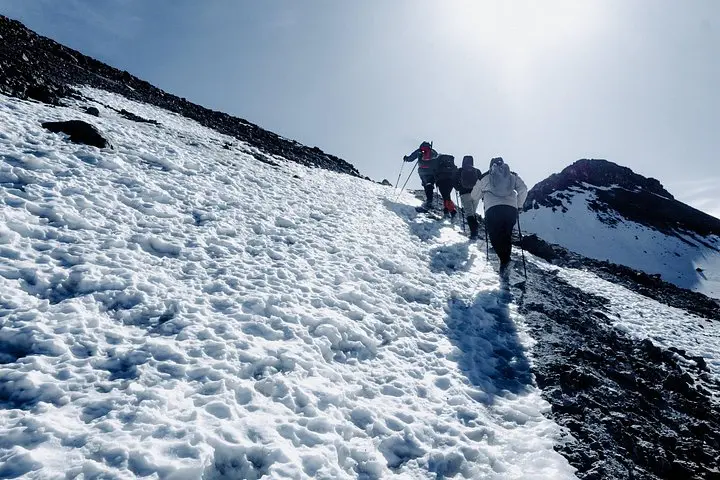
A chill wind pushes across the scree as you climb: the plateau below San Pedro de Atacama recedes into a patchwork of salt flats, volcanic cones and distant snow-capped giants. Cerro Toco’s slopes are a mixture of sand, compacted ash and shale; with each step the landscape feels both raw and deliberate, the air growing thinner and more honest as the summit approaches.
A chill wind pushes across the scree as you climb: the plateau below San Pedro de Atacama recedes into a patchwork of salt flats, volcanic cones and distant snow-capped giants. Cerro Toco’s slopes are a mixture of sand, compacted ash and shale; with each step the landscape feels both raw and deliberate, the air growing thinner and more honest as the summit approaches.
Geology here is readable at a glance — lava flows, pumice bands and wind-polished ash record episodes of explosive volcanism tied to the Central Volcanic Zone of the Andes. The area sits in Atacama’s high puna, a cultural crossroads where Andean pastoralists and pre-Columbian routes once moved between valleys. You’ll pass signs of human history: cairns, faint tracks and the occasional abandoned pasture feature.
Practical guidance: expect a 7–8 hour outing, roughly 6–10 km round-trip with about 700–900 m of elevation gain depending on your start point. Trails are unshaded; bring sun protection and layer for sharp temperature swings. Footing alternates between hard-packed sand, volcanic scree and occasional rocky steps — poles are useful, crampons only if recent storms left wind-packed snow. Altitude is the defining hazard: acclimatize in San Pedro (2–3 days recommended), hydrate deliberately and monitor for symptoms of AMS. Tours commonly use 4x4 approach roads and include a packed ration; helmets and trekking poles are often provided.
Timing matters: early starts avoid afternoon wind and maximize visibility. At the top, the thin air sharpens colors — the Atacama below seems to hold its breath — and the volcano rewards the ascent with broad, volcanic vistas that only high-altitude journeys can deliver.