THE ADVENTURE COLLECTIVE® · Independent discovery and booking for outdoor travel

Walk Asheville’s downtown and hear the city’s darker chapters—mysterious murders, courtroom drama and the social forces that shaped them. This one-hour tour mixes archival research with on-site narration to connect places and pasts.
Walk Asheville’s downtown and hear the city’s darker chapters—mysterious murders, courtroom drama and the social forces that shaped them. This one-hour tour mixes archival research with on-site narration to connect places and pasts.
You step off the sidewalk and the city exhales stories—brick facades, courthouse steps and a hotel lobby that remember arguments, verdicts and the occasional violent end.
Verified experiences and guided adventures in the surrounding area.
Operated by Triangle Walking Tours: Greensboro · Asheville, North Carolina
You step off the sidewalk and the city exhales stories—brick facades, courthouse steps and a hotel lobby that remember arguments, verdicts and the occasional violent end.
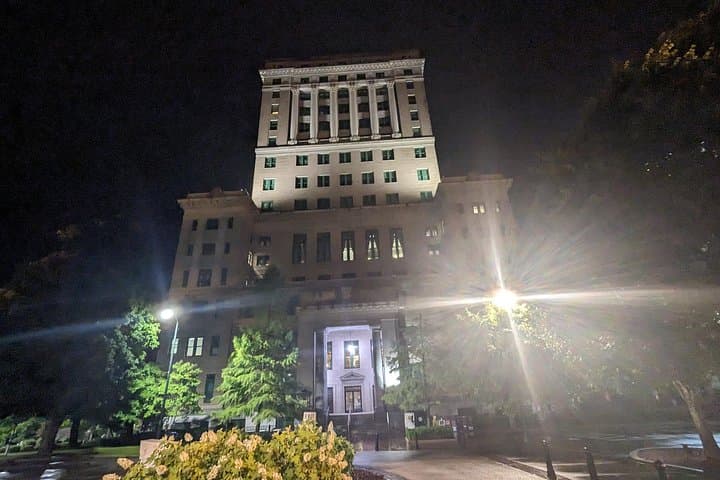
This one-hour walking tour threads through downtown Asheville's most notorious locations: the Battery Park Hotel, Buncombe County Courthouse and the Public Service Building. The narrative combines recent forensics and older accounts of mountain justice, situating each incident within Asheville's growth from a 19th-century mountain town to a 20th-century resort city. Geologically the city sits on the Blue Ridge’s western foothills; granite and schist underlie the streets, and narrow creek corridors once channeled both trade and rumor.
Culturally, the tour highlights how local law enforcement, newspapers and family networks shaped scandals, and how those stories influenced community memory. Expect a blend of forensic detail, court-room drama and regional context—why certain crimes clustered where they did and how the city’s social fabric responded.
Practical guidance: the route is urban pavement, typically an easy hour of walking with multiple stops; arrive 10 minutes early to check in. Wear supportive shoes and a light layer—downtown shade pockets can be cool even on warm days. The tour is wheelchair accessible but check for elevator access at individual historic sites. Bring a charged phone for photos and notes, and be prepared for close-quarter sidewalks during peak tourist seasons.
This experience leans on storytelling and archival research rather than reenactment—it's a focused, urban exploration that asks you to listen to the city’s quieter, darker chapters.
Yes — the tour notes indicate wheelchair accessibility; contact the operator ahead of time to confirm elevator access at specific indoor stops.
The content covers violent crimes and may be sensitive; it's suitable for mature teens and adults—use discretion for younger children.
Full refund if you cancel at least 24 hours before the scheduled departure; no refund for cancellations within 24 hours.
Photography is generally allowed from public sidewalks, but interior sites or private properties may restrict photos—follow the guide’s directions.
Triangle Walking Tours: Greensboro operates guided outdoor trips and adventures with an emphasis on safety, stewardship, and memorable experiences.
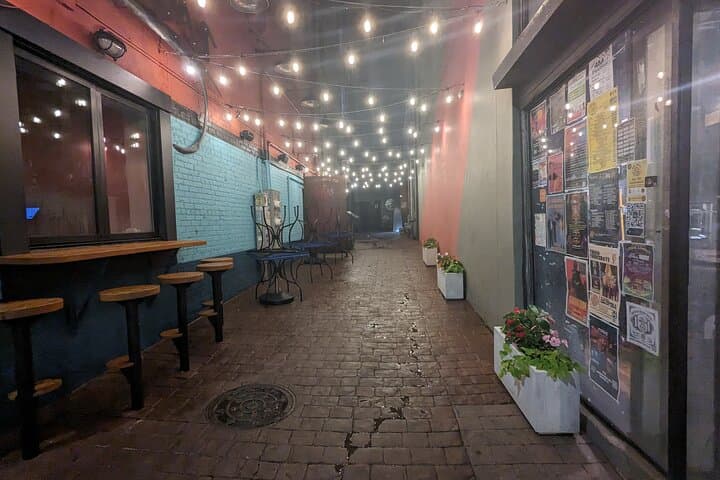
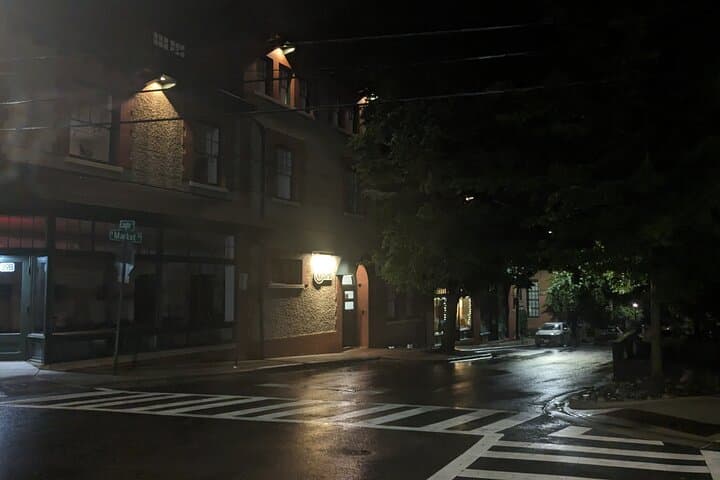
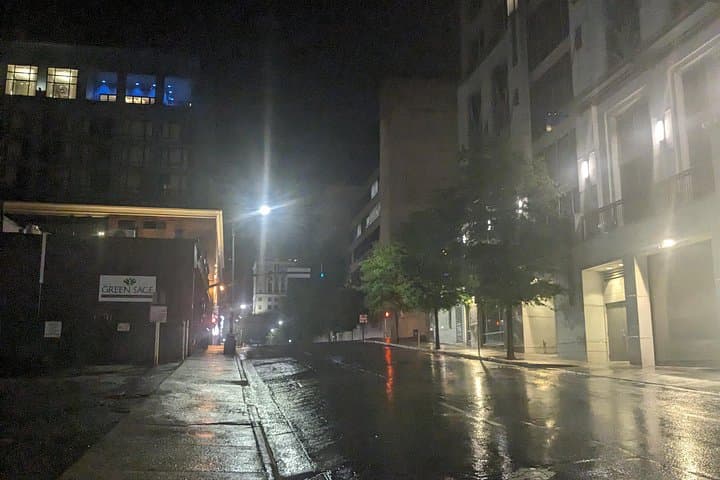
You step off the sidewalk and the city exhales stories—brick facades, courthouse steps and a hotel lobby that remember arguments, verdicts and the occasional violent end.
You step off the sidewalk and the city exhales stories—brick facades, courthouse steps and a hotel lobby that remember arguments, verdicts and the occasional violent end.
This one-hour walking tour threads through downtown Asheville's most notorious locations: the Battery Park Hotel, Buncombe County Courthouse and the Public Service Building. The narrative combines recent forensics and older accounts of mountain justice, situating each incident within Asheville's growth from a 19th-century mountain town to a 20th-century resort city. Geologically the city sits on the Blue Ridge’s western foothills; granite and schist underlie the streets, and narrow creek corridors once channeled both trade and rumor.
Culturally, the tour highlights how local law enforcement, newspapers and family networks shaped scandals, and how those stories influenced community memory. Expect a blend of forensic detail, court-room drama and regional context—why certain crimes clustered where they did and how the city’s social fabric responded.
Practical guidance: the route is urban pavement, typically an easy hour of walking with multiple stops; arrive 10 minutes early to check in. Wear supportive shoes and a light layer—downtown shade pockets can be cool even on warm days. The tour is wheelchair accessible but check for elevator access at individual historic sites. Bring a charged phone for photos and notes, and be prepared for close-quarter sidewalks during peak tourist seasons.
This experience leans on storytelling and archival research rather than reenactment—it's a focused, urban exploration that asks you to listen to the city’s quieter, darker chapters.