THE ADVENTURE COLLECTIVE® · Independent discovery and booking for outdoor travel

Walk Aso’s wind-swept grasslands, learn traditional firecraft using susuki grass, and savor a local bento beside a small, self-made flame. This compact 2‑hour experience mixes geology, culture, and hands-on skills on the caldera rim.
Walk Aso’s wind-swept grasslands, learn traditional firecraft using susuki grass, and savor a local bento beside a small, self-made flame. This compact 2‑hour experience mixes geology, culture, and hands-on skills on the caldera rim.
Morning light throws long shadows across Aso’s wide grasslands as hikers set off beneath the rim of the caldera. The trail moves between open susuki meadows and pockets of broadleaf forest, with frequent peeks back to the smoking cone of Mount Aso. Participants gather not just to walk, but to learn: the land, its people, and the practical skills that tie them together.
Verified experiences and guided adventures in the surrounding area.
Operated by Satoyama Journey · Aso, Kumamoto Prefecture
Morning light throws long shadows across Aso’s wide grasslands as hikers set off beneath the rim of the caldera. The trail moves between open susuki meadows and pockets of broadleaf forest, with frequent peeks back to the smoking cone of Mount Aso. Participants gather not just to walk, but to learn: the land, its people, and the practical skills that tie them together.
Geology here is immediate. Aso is one of the largest volcanic calderas in the world; its rolling plains are the result of massive eruptions and long volcanic weathering that created fertile soil and extensive grasslands. Culturally, grazers and small farmers have shaped these meadows for centuries, and the experience includes local storytelling about seasonal land use and conservation.
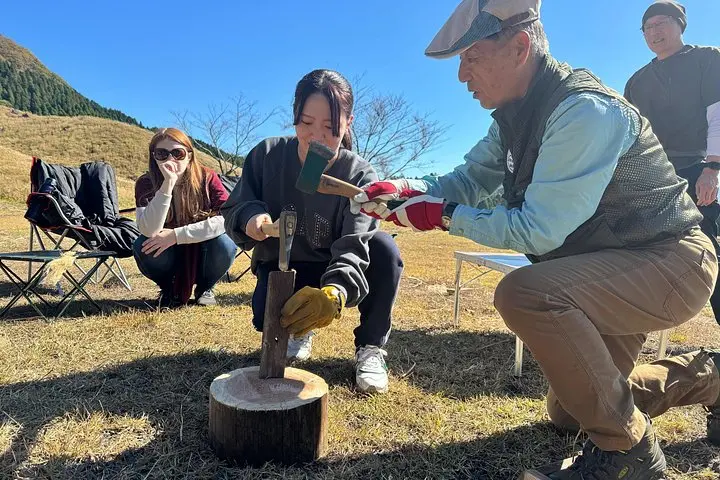
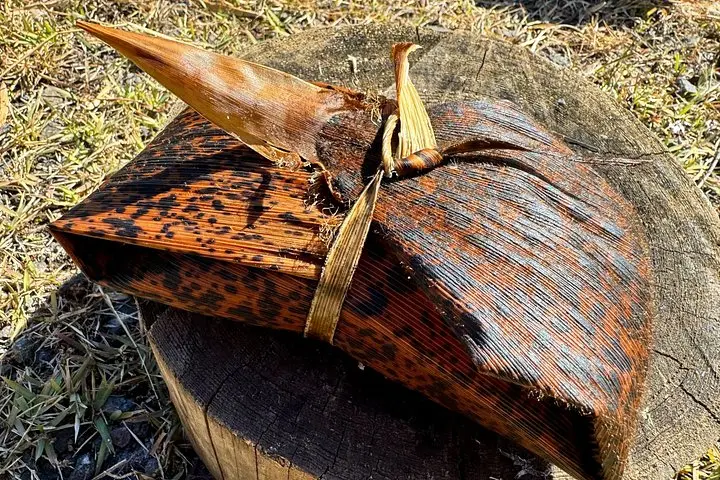
The activity is compact and deliberate: a guided 2-hour walk across gentle slopes, a hands-on station using dried susuki grass to start a small fire, then a bento lunch served around the flame with locally sourced miso soup, rice-based bento, and marshmallows to toast. Expect conversational pacing—stops to discuss flora, fauna, and traditional techniques—rather than fast hiking.
Practical pointers: wear sturdy shoes for grass and occasional muddy patches, bring sun protection and a light layer for wind off the caldera, and carry water even though tea/coffee and snacks are provided. The provider collects a grassland conservation fee; travel quietly to protect nesting birds and native grasses. For travelers with limited mobility or certain health concerns, note the activity is marketed as suitable for most fitness levels but avoids steep climbs.
The experience is approximately 2 hours total with an easy, conversational pace and short stops for demonstrations and the bento lunch.
The fire-starting is supervised and uses dried susuki; children can participate but must be closely supervised and follow guide instructions.
The bento uses local ingredients—inform the provider of allergies or dietary needs at booking so they can accommodate when possible.
A grassland conservation fee is collected as part of the activity to support habitat management and is listed in the inclusions.
Satoyama Journey operates guided outdoor trips and adventures with an emphasis on safety, stewardship, and memorable experiences.
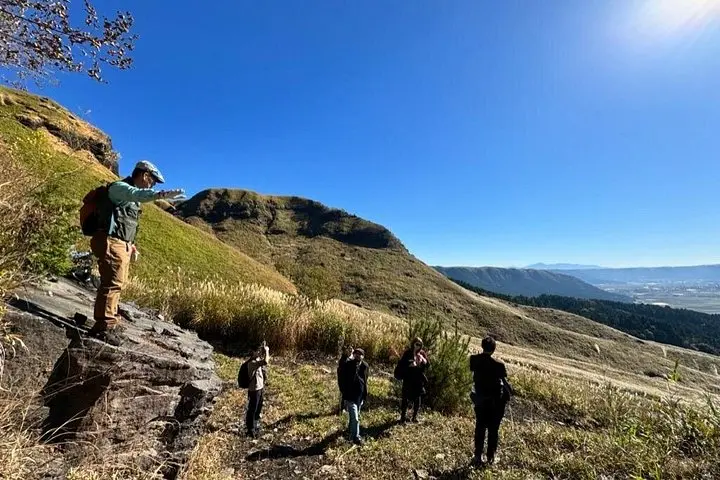
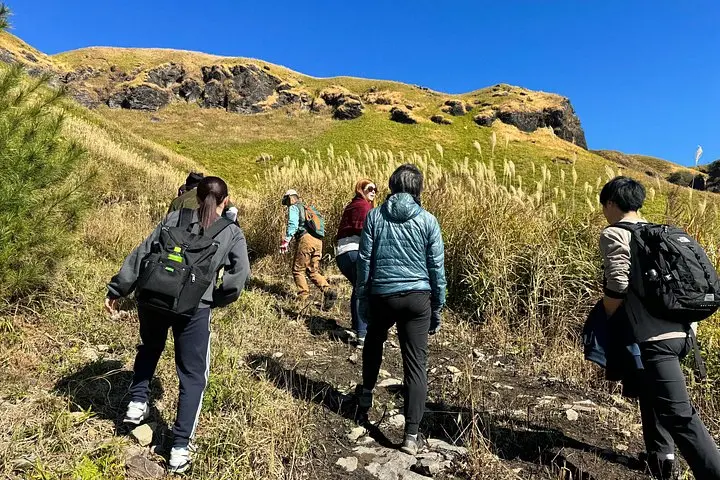
Morning light throws long shadows across Aso’s wide grasslands as hikers set off beneath the rim of the caldera. The trail moves between open susuki meadows and pockets of broadleaf forest, with frequent peeks back to the smoking cone of Mount Aso. Participants gather not just to walk, but to learn: the land, its people, and the practical skills that tie them together.
Morning light throws long shadows across Aso’s wide grasslands as hikers set off beneath the rim of the caldera. The trail moves between open susuki meadows and pockets of broadleaf forest, with frequent peeks back to the smoking cone of Mount Aso. Participants gather not just to walk, but to learn: the land, its people, and the practical skills that tie them together.
Geology here is immediate. Aso is one of the largest volcanic calderas in the world; its rolling plains are the result of massive eruptions and long volcanic weathering that created fertile soil and extensive grasslands. Culturally, grazers and small farmers have shaped these meadows for centuries, and the experience includes local storytelling about seasonal land use and conservation.
The activity is compact and deliberate: a guided 2-hour walk across gentle slopes, a hands-on station using dried susuki grass to start a small fire, then a bento lunch served around the flame with locally sourced miso soup, rice-based bento, and marshmallows to toast. Expect conversational pacing—stops to discuss flora, fauna, and traditional techniques—rather than fast hiking.
Practical pointers: wear sturdy shoes for grass and occasional muddy patches, bring sun protection and a light layer for wind off the caldera, and carry water even though tea/coffee and snacks are provided. The provider collects a grassland conservation fee; travel quietly to protect nesting birds and native grasses. For travelers with limited mobility or certain health concerns, note the activity is marketed as suitable for most fitness levels but avoids steep climbs.