THE ADVENTURE COLLECTIVE® · Independent discovery and booking for outdoor travel

A compact, sensory-packed day that pairs Kumamoto’s historic castle with the raw power of Mt. Aso’s caldera. Expect winding coach transfers, short walks, and crater viewing that depends on real-time volcanic conditions.
A compact, sensory-packed day that pairs Kumamoto’s historic castle with the raw power of Mt. Aso’s caldera. Expect winding coach transfers, short walks, and crater viewing that depends on real-time volcanic conditions.
You step off the coach into a wind that remembers fire—hot steam threads the air around Mt. Aso’s caldera while distant peaks cut a hard line against the sky.
Verified experiences and guided adventures in the surrounding area.
Operated by Trevopedia Wonders · Aso, Kumamoto Prefecture
You step off the coach into a wind that remembers fire—hot steam threads the air around Mt. Aso’s caldera while distant peaks cut a hard line against the sky.
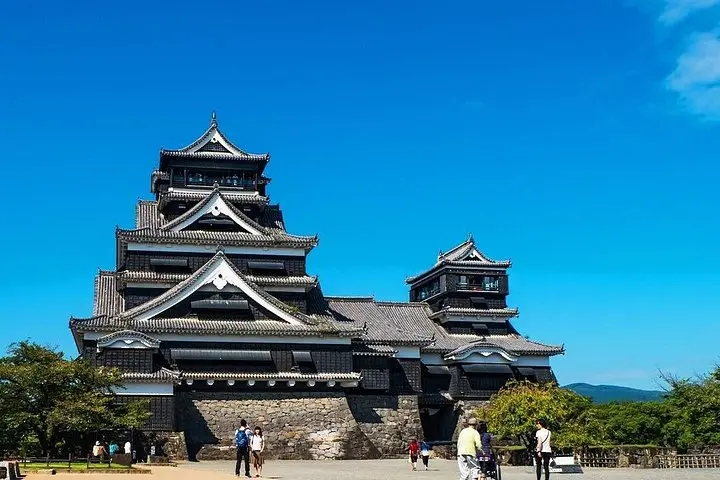
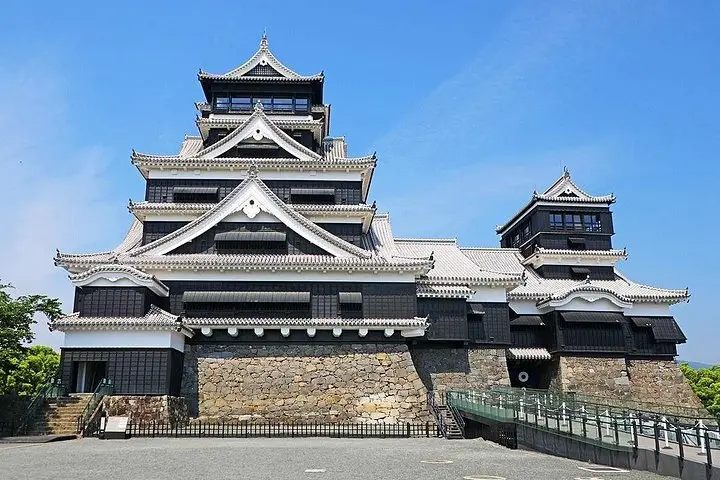
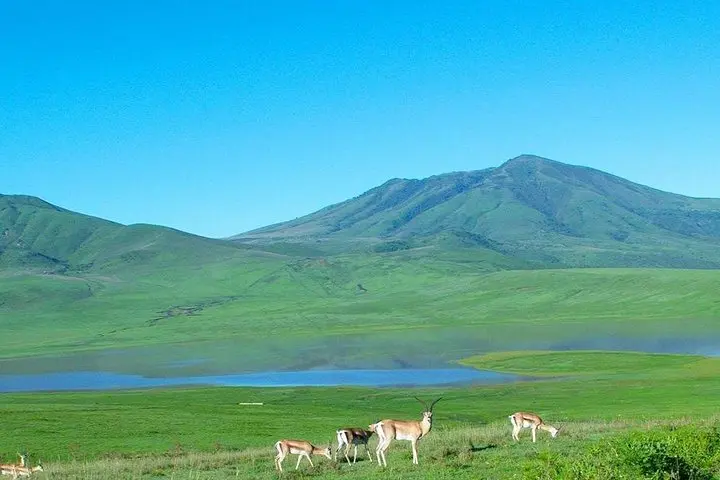
This full-day loop links two very different faces of Kyushu: the samurai-era grandeur of Kumamoto Castle and the raw, geologic power of Aso’s volcanic heart. Kumamoto Castle, rebuilt after recent seismic damage, offers black stone walls, restored keeps and a walkable history of feudal Japan. By contrast, Aso’s Naka-dake crater, inside one of the world’s largest calderas, presents steaming vents, wide Kusasenri grasslands and horses grazing on volcanic flats.
Geology here is immediate—layers of ash and lava sculpted by repeated eruptions, caldera rims that frame weather that can change in minutes. Culture threads through village roadside markets where local milk, citrus and horse-breeder traditions are on sale; the Aso Volcano Museum provides clear context for what you’re seeing.
Practicalities matter: the day runs roughly 10–11 hours, with coach transfers from Hakata Station. Crater access is weather- and gas-dependent; some areas may be closed. Expect short walks at each stop—Kumamoto Castle involves uneven stone paths and modest climbs; Kusasenri is open, windy grassland. Bring layers for wind and volcanic steam, a mask if you’re sensitive to gas, and some yen for small purchases and optional admissions (castle and museum fees may apply).
The route is ideal for travelers who want big-picture geology paired with compact cultural highlights—an efficient, sensory-rich way to experience Kyushu in a single, focused day.
The tour departs from the Lawson in front of Fukuoka Hakata Station (Chikushi Exit) and returns to the same general area; check your booking for exact pickup details.
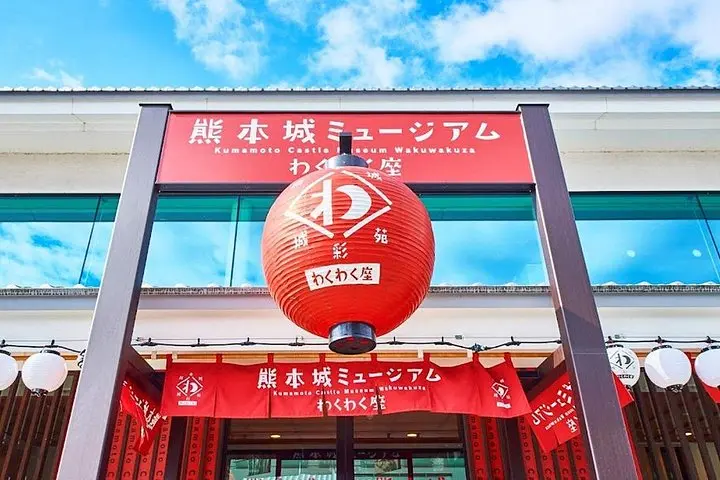
Admission fees are not included; castle entry and museum tickets are paid on site—expect approximately 800 yen for adult castle admission and around 880 yen for the museum (prices subject to change).
Not always—access to Naka-dake crater is determined by volcanic activity, gas levels and weather; the guide will adjust the itinerary if the crater is closed for safety.
The tour lists wheelchair and stroller accessibility for transport and many surfaces, but some sites include uneven ground and steps; infants can ride in strollers and children 0–2 may travel free if not occupying a seat—confirm any special requirements when booking.
Trevopedia Wonders operates guided outdoor trips and adventures with an emphasis on safety, stewardship, and memorable experiences.
You step off the coach into a wind that remembers fire—hot steam threads the air around Mt. Aso’s caldera while distant peaks cut a hard line against the sky.
You step off the coach into a wind that remembers fire—hot steam threads the air around Mt. Aso’s caldera while distant peaks cut a hard line against the sky.
This full-day loop links two very different faces of Kyushu: the samurai-era grandeur of Kumamoto Castle and the raw, geologic power of Aso’s volcanic heart. Kumamoto Castle, rebuilt after recent seismic damage, offers black stone walls, restored keeps and a walkable history of feudal Japan. By contrast, Aso’s Naka-dake crater, inside one of the world’s largest calderas, presents steaming vents, wide Kusasenri grasslands and horses grazing on volcanic flats.
Geology here is immediate—layers of ash and lava sculpted by repeated eruptions, caldera rims that frame weather that can change in minutes. Culture threads through village roadside markets where local milk, citrus and horse-breeder traditions are on sale; the Aso Volcano Museum provides clear context for what you’re seeing.
Practicalities matter: the day runs roughly 10–11 hours, with coach transfers from Hakata Station. Crater access is weather- and gas-dependent; some areas may be closed. Expect short walks at each stop—Kumamoto Castle involves uneven stone paths and modest climbs; Kusasenri is open, windy grassland. Bring layers for wind and volcanic steam, a mask if you’re sensitive to gas, and some yen for small purchases and optional admissions (castle and museum fees may apply).
The route is ideal for travelers who want big-picture geology paired with compact cultural highlights—an efficient, sensory-rich way to experience Kyushu in a single, focused day.