THE ADVENTURE COLLECTIVE® · Independent discovery and booking for outdoor travel

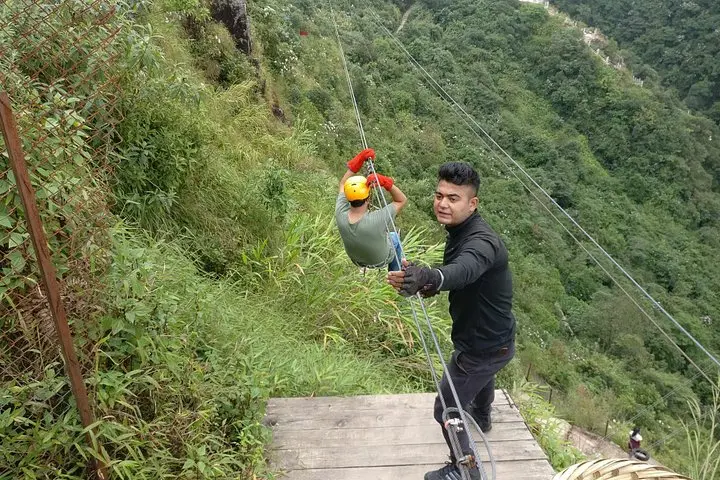
Traverse Kaziranga’s wild grasslands, explore Shillong’s lake-fed ridges, and boat on Dawki’s glassy river across a compact six-day loop. This itinerary mixes elephant safaris, caves, living root bridges, and village stays for a hands-on Northeast India experience.
Traverse Kaziranga’s wild grasslands, explore Shillong’s lake-fed ridges, and boat on Dawki’s glassy river across a compact six-day loop. This itinerary mixes elephant safaris, caves, living root bridges, and village stays for a hands-on Northeast India experience.
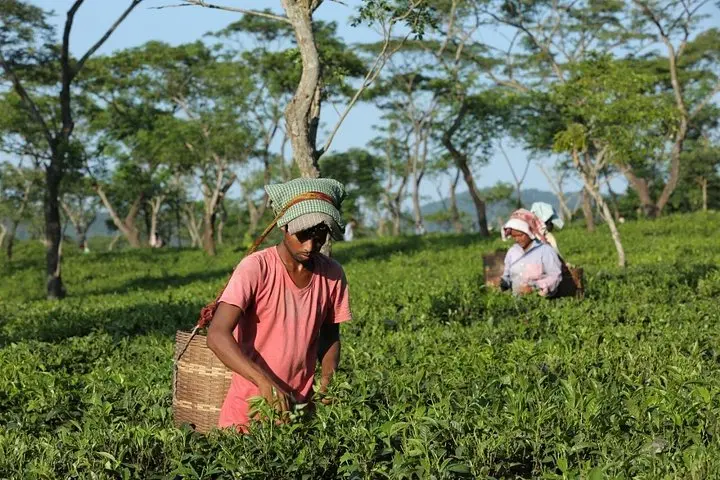
You step off the plane into humid Guwahati and the road unfurls—tea gardens flatten into broad river plains, then the hills of Meghalaya lift like pages of a map. Within hours the Brahmaputra’s wide current gives way to the tall grasses of Kaziranga where early-morning elephant and jeep safaris put you eye-to-eye with one-horned rhinos and sambar deer. Higher still, Shillong’s pine-lined lanes open to Umiam Lake and windward viewpoints; beyond, rain-etched chasms and caves of Cherrapunjee (Sohra) carve the skyline.
Verified experiences and guided adventures in the surrounding area.
Operated by Trip Northeast · Guwahati, Assam
You step off the plane into humid Guwahati and the road unfurls—tea gardens flatten into broad river plains, then the hills of Meghalaya lift like pages of a map. Within hours the Brahmaputra’s wide current gives way to the tall grasses of Kaziranga where early-morning elephant and jeep safaris put you eye-to-eye with one-horned rhinos and sambar deer. Higher still, Shillong’s pine-lined lanes open to Umiam Lake and windward viewpoints; beyond, rain-etched chasms and caves of Cherrapunjee (Sohra) carve the skyline.
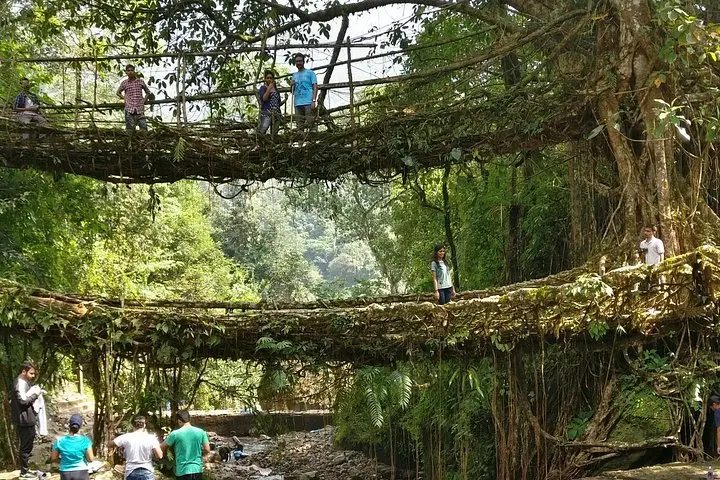
Geology here is blunt and honest: uplifted plateaus of the Khasi and Jaintia Hills, limestone caves rich with fossils, and a monsoon that sculpts living root bridges over steep streams. Culturally the region is shaped by Khasi matrilineal traditions, tea-era settlements, and village economies in places like Mawlynnong—often noted for its cleanliness and community-managed tourism.
Practical guidance: plan six days to cover ~200–250 km stretches (Guwahati to Kaziranga ~200 km, 4–5 hours). Roads through the hills are narrow with sharp bends; expect frequent stops and slower average speeds. Bring a mid-weight rain jacket and quick-dry layers for variable weather, sturdy trail shoes for cave floors and root-bridge trails, and insect repellent for riverine zones. Book elephant safaris early and carry cash for entry fees and small village purchases. If camping at Krangshuri, prepare for basic shared tents and limited connectivity. Pace yourself—this is a trip of short morning hikes, boat rides on the crystal-clear Umngot at Dawki, wildlife viewing, and cultural stops rather than strenuous summit pushes.
No special permits for tourists are usually required beyond park entry tickets and safari bookings; book wildlife safaris through park-authorized operators.
Yes—many parts are family-friendly but note early safari starts, some narrow roads, and basic camping at Krangshuri with shared tents.
October to April offers drier weather and more reliable wildlife sightings; monsoon (June–September) is dramatic but brings heavy rain and road disruptions.
Boating on the Umngot at Dawki is available locally (usually fee-based). Swimming at Krangshuri may be possible but depends on water levels and local rules; confirm onsite.
Trip Northeast operates guided outdoor trips and adventures with an emphasis on safety, stewardship, and memorable experiences.

You step off the plane into humid Guwahati and the road unfurls—tea gardens flatten into broad river plains, then the hills of Meghalaya lift like pages of a map. Within hours the Brahmaputra’s wide current gives way to the tall grasses of Kaziranga where early-morning elephant and jeep safaris put you eye-to-eye with one-horned rhinos and sambar deer. Higher still, Shillong’s pine-lined lanes open to Umiam Lake and windward viewpoints; beyond, rain-etched chasms and caves of Cherrapunjee (Sohra) carve the skyline.
You step off the plane into humid Guwahati and the road unfurls—tea gardens flatten into broad river plains, then the hills of Meghalaya lift like pages of a map. Within hours the Brahmaputra’s wide current gives way to the tall grasses of Kaziranga where early-morning elephant and jeep safaris put you eye-to-eye with one-horned rhinos and sambar deer. Higher still, Shillong’s pine-lined lanes open to Umiam Lake and windward viewpoints; beyond, rain-etched chasms and caves of Cherrapunjee (Sohra) carve the skyline.
Geology here is blunt and honest: uplifted plateaus of the Khasi and Jaintia Hills, limestone caves rich with fossils, and a monsoon that sculpts living root bridges over steep streams. Culturally the region is shaped by Khasi matrilineal traditions, tea-era settlements, and village economies in places like Mawlynnong—often noted for its cleanliness and community-managed tourism.
Practical guidance: plan six days to cover ~200–250 km stretches (Guwahati to Kaziranga ~200 km, 4–5 hours). Roads through the hills are narrow with sharp bends; expect frequent stops and slower average speeds. Bring a mid-weight rain jacket and quick-dry layers for variable weather, sturdy trail shoes for cave floors and root-bridge trails, and insect repellent for riverine zones. Book elephant safaris early and carry cash for entry fees and small village purchases. If camping at Krangshuri, prepare for basic shared tents and limited connectivity. Pace yourself—this is a trip of short morning hikes, boat rides on the crystal-clear Umngot at Dawki, wildlife viewing, and cultural stops rather than strenuous summit pushes.